
What the Film Is About
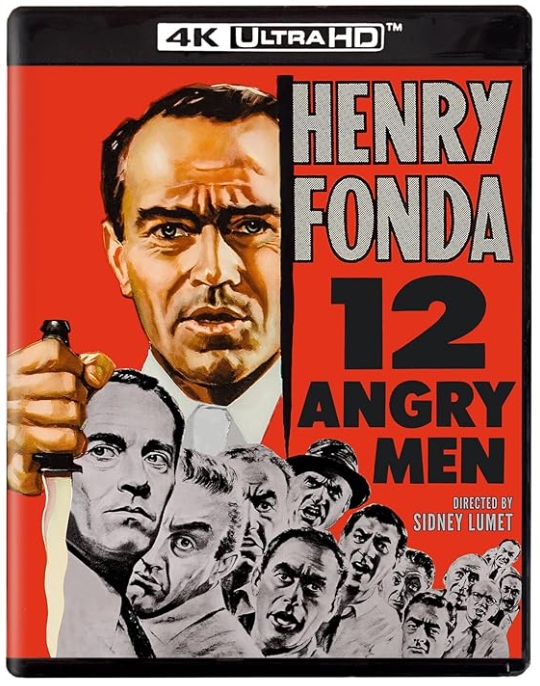
“12 Angry Men,” released in 1957, is a searing examination of human nature and the American justice system, distilled into the tense, claustrophobic setting of a jury room. The film follows twelve ordinary men as they deliberate the fate of a teenager accused of murder, with the weight of their verdict carrying the possibility of a death sentence. What unfolds is less a whodunit than an intense, psychological journey into prejudice, doubt, personal responsibility, and the fragile pursuit of justice.
The emotional heart of the film lies in the gradual transformation of the jury, catalyzed by one juror’s lone dissent. The real conflict is not between guilt and innocence, but between certainty and doubt, apathy and engagement, and the struggle each juror faces as they confront their own biases and moral compasses. The narrative direction is pointedly inward: it is about how individuals relate to the truth, the courage it takes to voice uncertainty, and the cost of going against the tide.
Core Themes
At its core, “12 Angry Men” explores themes of justice, prejudice, moral courage, and the responsibilities inherent in democratic institutions. The film interrogates the idea of reasonable doubt, challenging the assumption that truth is easily discernible and untainted by subjectivity. Each juror brings their own worldview, shaped by experience, bias, and emotion, revealing how collective judgment is always in danger of distortion by personal prejudice.
The film’s critique of prejudice—racial, class-based, generational—was especially urgent in the 1950s, an era marked by postwar anxieties, the dawn of the Civil Rights movement, and growing distrust in institutions. Its challenge to “groupthink” and its elevation of the lone dissenter as a moral force resonate today in polarized societies. The story’s insistence that every voice counts, and that moral integrity requires questioning easy assumptions, underscores the ever-relevant struggle for justice in systems reliant on ordinary people.
Furthermore, the film is deeply concerned with the moral and civic imperative of engagement. It argues that democracy cannot function without careful, critical participation; apathy or haste can undermine the very foundations of justice. “12 Angry Men” suggests that justice is not delivered by faceless institutions but forged in the moral struggles and conversations among flawed, diverse individuals.
Symbolism & Motifs
Throughout “12 Angry Men,” a number of visual and narrative motifs reinforce its exploration of justice, fallibility, and transformation. The most obvious is the oppressive heat in the jury room, which serves as both a literal discomfort and a metaphor for rising tension, agitation, and the simmering tempers of the men. The heat also symbolizes the pressure-cooker nature of collective decision-making and the emotional labor of seeking justice.
The table around which the jurors are gathered acts as a crucible, forcing conflict and dialogue. It also represents the ideal of egalitarian democracy: all voices are supposed to be equal, even as the film subtly shows that power dynamics and biases still influence whose voices are heard. The single sheet of paper—the ballot—and the presence of the empty chair constantly linger, reinforcing the gravity of individual responsibility and the potential for one person to upend consensus.
Another important motif is the recurring use of windows and doors. The jury room’s locked door is a symbol of the men’s isolation from the outside world and of their obligation to confront the case without outside contamination. The gradual changes in lighting from harsh artificiality to natural light as deliberations progress symbolize enlightenment, the movement from obscurity to clarity.
Key Scenes
Key Scene 1
The film’s emotional fulcrum is the early scene when Juror 8, alone among his peers, casts a not-guilty vote. This singular act is crucial as it disrupts the inertia of assumed guilt and forces the group to examine their preconceptions. The courage it takes to stand alone, subject to ridicule and anger, becomes a central meditation of the film: the power and necessity of dissent within a democratic process. This scene is not just about one man’s doubt; it’s about the ripple effect that moral conviction can have, inviting others to reflect more deeply on their own judgments.
Key Scene 2
A mid-film turning point emerges as the jurors physically re-enact the eyewitness testimony regarding the murder. By dissecting details and challenging each other to reconsider the evidence, the film demonstrates the fallibility of memory and observation. More than just a critique of unreliable testimony, this scene underscores the broader theme of how truth can only emerge through collective scrutiny and dialogue. It also begins to break down the walls between individuals, drawing them out of entrenched positions and revealing the flexibility of deeply held convictions.
Key Scene 3
The emotional and thematic climax of the film comes as one of the most adamant jurors, driven by personal prejudice rather than reason, finds himself increasingly isolated. When the remaining jurors literally turn their backs on his bigoted rant, it is a visual and moral repudiation of prejudice as a legitimate foundation for judgment. This moment of social exclusion operates as a powerful declaration of the film’s worldview: that justice is only possible when biases are actively confronted and rejected. The moment also serves to restore a sense of collective integrity and possibility for real justice.
Common Interpretations
“12 Angry Men” has been widely interpreted as a meditation on the fragility and potential of democracy. Critics often see the film as a microcosm of American society—a laboratory in which the flaws and strengths of the justice system, and of civic life itself, are laid bare. The film is frequently treated as an argument for the necessity of due process, careful deliberation, and respect for reasonable doubt within both legal and societal frameworks.
Some interpretations emphasize its anti-prejudicial message, viewing the film as a condemnation of all forms of bigotry—racial, class-based, generational—that can distort justice. Others focus on the film’s endorsement of rational discourse, individual moral responsibility, and the capacity for personal and collective growth. While some critics point to the near-miraculous transformation of the group as idealistic, the film remains celebrated for its clear-eyed depiction of the obstacles to, and imperatives of, justice.
Another widely accepted reading frames the film as a celebration of critical thinking and the value of intellectual engagement over passive conformity. The story’s insistence on the importance of every juror’s voice—however flawed or alone—has resonated with audiences concerned with the health of democratic processes, especially in times of social upheaval or political complacency.
Films with Similar Themes
- To Kill a Mockingbird (1962) – This film shares thematic territory in its critique of prejudice and its exploration of the moral responsibilities inherent in the justice system. Both films challenge viewers to reckon with the destructive power of bias in determining guilt or innocence.
- Inherit the Wind (1960) – Like “12 Angry Men,” this film spotlights the importance of dissent, rational debate, and the public contestation of ideas in a democratic society. Both depict legal proceedings as arenas where deeply held societal beliefs are challenged and re-examined.
- Rashomon (1950) – Kurosawa’s classic similarly interrogates the nature of truth and the unreliability of individual perception. Both films challenge the viewer to question the objectivity of evidence and to appreciate the complex motivations that underlie human testimony.
- A Few Good Men (1992) – This courtroom drama echoes “12 Angry Men” in its emphasis on the search for truth, the need for moral courage, and the tension between individual conscience and institutional pressure.
In the end, “12 Angry Men” argues that justice is never a foregone conclusion, but rather something arduously constructed out of talk, doubt, reflection, and at times, confrontation with one’s own darkest prejudices. The film’s setting—mid-century America—highlights the stakes of aspiring to a just society amid entrenched divisions, but its message is timeless. It reminds us that the health of society depends on the willingness of ordinary individuals to pause, to question, to listen, and above all, to care. In elevating these acts to a rare heroism, “12 Angry Men” delivers a quietly radical testament to the possibilities and perils of democracy.