
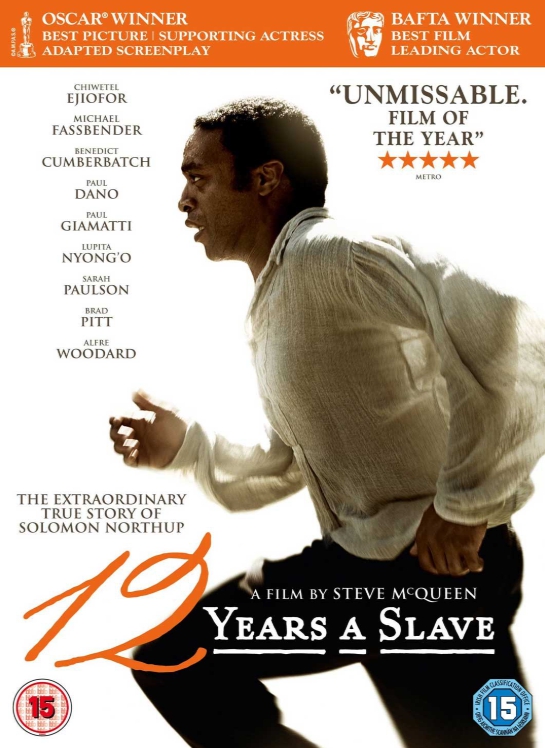
What the Film Is About
At its heart, “12 Years a Slave” is an immersive meditation on the endurance and resilience of the human spirit in the face of immense cruelty. Through the intimate perspective of Solomon Northup, a free Black man kidnapped and sold into slavery, the film probes the psychological and emotional toll exacted by a system built on dehumanization and violence. It is less a story about slavery in the abstract than about what it means to have one’s identity, dignity, and hope systematically stripped away, and what it takes to survive — and occasionally resist — such conditions. The journey, then, is fundamentally one of struggle, adaptation, and the lingering trace of self-belief even amidst overwhelming oppression.
Rather than relying on conventional arcs of heroism or escape, the film focuses on the interior terrain of its protagonist and those around him. The emotional conflict is not just between enslaved and enslaver, but within individuals wrestling with their own complicity or resistance, hope or despair, humanity or brutality. “12 Years a Slave” asks not only what it takes to endure such suffering, but also what the cost of that survival is, both for individuals and for society — then and now.
Core Themes
The film’s core themes revolve around the brutality of power, the obliteration and reclamation of identity, and the moral blindness of systemic evil. Most centrally, “12 Years a Slave” exposes the raw mechanisms of institutional racism as an everyday reality, not just a historical backdrop. It delves into the corrupting influence of absolute power, the way violence reshapes both perpetrator and victim, and the struggle for agency when one’s life is in the hands of others.
Identity and memory emerge as vital threads. Solomon’s determination to hold on to who he is — his intellect, his relationships, his dignity — stands in direct opposition to a system designed to erase that very sense of self. The film also confronts the frailty and resilience of morality: characters are tested by circumstances that demand complicity or resistance, and the boundaries between “good” and “evil” are often blurred by necessity or fear.
These themes resonated powerfully in 2013, when conversations about race, history, and representation were reaching renewed prominence, particularly in the United States. The film’s refusal to soften the realities of slavery sought to counteract the frequent romanticizing or minimizing of this period in American memory and popular culture. Its questions about dignity, injustice, and the ability of people to either uphold or break cycles of cruelty remain relevant today, as modern societies continue to reckon with the legacies and aftershocks of systemic racism.
Symbolism & Motifs
Symbolism and recurring motifs in “12 Years a Slave” deepen its exploration of suffering, resistance, and identity. The presence of music — particularly Solomon’s violin — symbolizes both the persistence of culture and the fragility of self-expression under oppression. Music serves as a fleeting refuge and a reminder of Solomon’s identity as an artist and free man, in stark contrast to the enforced silence and obedience demanded by slavery.
Chains and ropes, present from early in the film, are more than tools of captivity; they are potent symbols of bondage that extend from the physical to the psychological. Conversely, the ever-present Southern landscape — lush yet indifferent — serves as a visual motif emphasizing both the beauty and the horror embedded in the American experience. Nature’s tranquility is set against the violence of human acts, underscoring the moral contradiction of a society that can normalize cruelty in the midst of apparent civilization.
Names and documents, too, operate symbolically: the erasure of Solomon’s name and identity upon arrival in the South, and later his yearning for proof of his true self, highlight the power of social and legal recognition. These motifs reinforce the film’s broader meditation on how identity can be both destroyed and retrieved — sometimes only through immense courage and external intervention.
Key Scenes
Key Scene 1
One of the most emotionally wrenching and thematically crucial moments comes in the prolonged shot of Solomon hanging from a tree, his toes barely touching the ground to stay alive. Surrounding him, life on the plantation continues unperturbed, with children playing and workers moving about as if nothing is amiss. The scene’s duration and unflinching gaze force viewers to confront the normalized brutality of slavery: pain and injustice persist not as aberrations but as an embedded norm. The passivity or helplessness of those who witness the act — fellow enslaved people, complicit whites — underscores the pervasiveness of terror and the ways in which cruelty becomes mundane. Emotionally, the scene is devastating in its portrayal of vulnerability and isolation, while symbolically, it evokes the suspended state of those living under oppression: neither safe nor free, caught in the ongoing threat of violence.
Key Scene 2
Another pivotal moment occurs when Solomon, pressured into beating Patsey at the command of the brutal plantation owner Edwin Epps, is caught between his own survival and his moral revulsion at harming another. He is compelled to inflict pain on someone even more powerless, confronting the audience with the way systems of violence force victims to become complicit in their own degradation and the suffering of others. The complexity of emotions — shame, helplessness, rage — radiates in this scene, challenging any simplistic understanding of “victim” and “perpetrator.” It dramatizes the distortion of moral agency under oppression, extending the film’s meditation on responsibility and the impossible choices imposed by brutality.
Key Scene 3
In one of the film’s final moments, when Solomon is finally able to say his true name again and reunite with his family, the film brings its meditation on identity and belonging to a climax. The home he returns to is not the one he left; the years of absence are etched into both his memory and his body. This return is not purely triumphant — it is bittersweet, shadowed by everything lost and the knowledge of countless others left behind. The act of reclaiming his name and place in the world completes the emotional arc from erasure to assertion of self, but the scars of experience linger. Thus, the ending situates the narrative not as a contained tragedy or heroic escape, but as a plea for recognition — both personal and historical — of the costs of such histories.
Common Interpretations
“12 Years a Slave” is widely interpreted as a searing indictment of both individual and systemic evil. Many critics see the film as a corrective to the sanitizations of slavery often depicted in popular media, instead insisting on an honest portrayal of its cruelty and complexity. The movie is commonly understood not simply as a narrative of suffering, but as a testimony to survival, resilience, and the irreducible humanity of those subjected to slavery.
Some viewers and scholars emphasize its focus on the complicity of “ordinary” people and the ordinariness of evil — the idea that the machinery of oppression is sustained less by monsters than by those who accept or benefit from its terms. Others highlight its subtle reflections on masculinity, parenthood, and gender, especially through the stories of characters like Patsey, who suffer distinct forms of violence under slavery.
There is also debate about the film’s approach to agency: while some celebrate its depiction of survival and memory as forms of resistance, others contend that the film occasionally risks portraying its protagonist and other enslaved characters as exceptionally passive, or their white allies as instrumental to their salvation. Nonetheless, the dominant reading insists that the film’s emotional impact lies precisely in its refusal to offer simplistic catharsis or closure.
Films with Similar Themes
- Schindler’s List – Like “12 Years a Slave,” this film explores suffering and survival within a system of institutionalized inhumanity, focusing on individual stories to expose the horrors of the Holocaust.
- Roots – This landmark miniseries traces the multigenerational trauma of American slavery, mirroring the themes of identity, legacy, and resistance found in “12 Years a Slave.”
- Amistad – Steven Spielberg’s film about an 1839 slave ship revolt grapples with questions of human rights, legal identity, and the global context of slavery, aligning closely with the film’s focus on justice and recognition.
- The Color Purple – While set later in American history, this film similarly interrogates the impact of racism, power, and the struggle for selfhood among Black Americans, especially women, across generations.
Ultimately, “12 Years a Slave” stands as a vital work that asks viewers to bear witness to a foundational trauma in American history. It confronts us with the consequences of racialized power, the tenacity required to endure cruelty, and the fragile hope of reclaiming one’s sense of self. In doing so, the film not only honors the lived experiences of those who suffered through slavery but also issues a broader reflection on the corrosive effects of dehumanization and the ongoing necessity of historical memory. Through its unflinching portrayal of both pain and perseverance, “12 Years a Slave” issues an urgent reminder of the need for empathy, justice, and recognition — both then and now.
🎬 Check out today's best-selling movies on Amazon!
View Deals on Amazon