
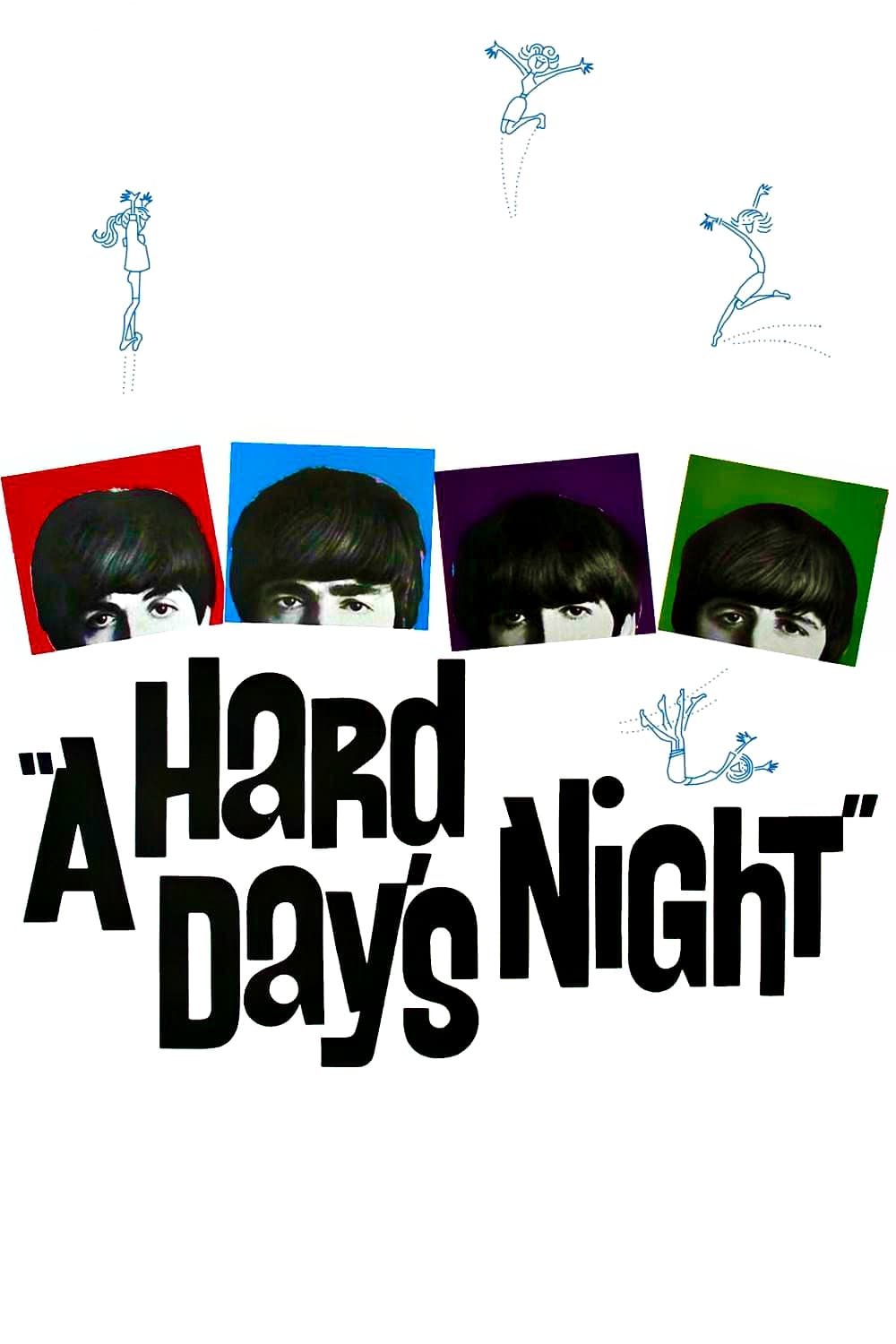
What the Film Is About
“A Hard Day’s Night” is, on the surface, a comedic chronicle of a few days in the life of the Beatles at the height of Beatlemania. Rather than crafting a straightforward story, the film immerses viewers in the whirlwind energy, mounting chaos, and bemused joy that accompanies the band as they navigate public hysteria, managerial headaches, and institutional strictures. The central emotional journey is not toward a dramatic transformation or revelation, but rather toward an embrace of exuberant selfhood despite the forces seeking to confine, commodify, or control them.
At its heart, the film’s conflict is the push and pull between the Beatles’ authentic, anarchic personalities and the rigid expectations of fame, media, and British society. Their playful rebellion against authority—be it managers, the press, or the generational divide—drives the film’s direction, highlighting their commitment to each other and to living joyously despite being cast into the era’s grinding machinery of celebrity.
Core Themes
The film’s most pronounced theme is the tension between individuality and conformity. “A Hard Day’s Night” presents the Beatles as both products and rebels of their time—their refreshingly irreverent approach to fame and authority pushing back against the conservative, hierarchical structures of postwar British society. The Beatles are aware of their branding, yet resist being entirely defined by it, often mocking or subverting the very institutions and rituals that enable their stardom.
Another key theme is the commodification of culture and youth. The movie showcases a world eager to profit from and contain the Beatles’ appeal, whether through marketing, relentless media coverage, or tight production schedules. Their managers and handlers attempt to regiment their lives, yet the Beatles constantly break free—physically escaping their confines and emotionally redefining their engagement with audiences and industry alike.
Additionally, the film explores generational change. The Beatles, avatars for a new, postwar British sensibility, challenge the stodgy norms and bureaucratic attitudes of their elders. Their sense of fun, spontaneity, and irreverence marks a clear departure from the deferential attitudes prized by previous generations.
These themes were acutely relevant in 1964, as British society (and the Western world at large) was undergoing dramatic shifts in generational values, musical tastes, and youth identity. Today, the film resonates because the tension between prescribed roles and self-expression—between authenticity and commercial exploitation—remains profoundly relevant, not just for pop stars but for anyone negotiating modern public and private personas.
Symbolism & Motifs
Recurring symbols and motifs deepen the film’s exploration of authenticity and rebellion. Repetition of confinement and escape—whether the Beatles are running from screaming fans, dodging handlers, or decamping to fields—visually represents their resistance to containment. Trains, hotel rooms, dressing rooms, and TV studios all become microcosms of the pressures facing the group, often shot in ways that emphasize both the claustrophobia and the camaraderie that results.
Musical performance itself becomes a symbol of liberation and true expression. While much of the Beatles’ daily life is dominated by rehearsals, interviews, and obligations, their music sequences – energetic, uninhibited, and joyous – stand in contrast as moments when their real selves emerge. Music is not just their product, but their means of transcending the monotonous machinery surrounding them.
Another motif is the use of quick, witty banter and surreal humor. Dialogue often undercuts authority or expectation, creating a sense that the Beatles are constantly performing—not just as musicians but as comic figures undermining the seriousness of the world around them. This motif reinforces the idea that performance can be an act of resistance and identity-making.
Key Scenes
Key Scene 1
The opening chase through city streets sets the tone for the film’s entire message. The Beatles dash, exhilarated and slightly frantic, from packs of screaming fans and prying observers. This kinetic sequence—propelled by the titular song—symbolizes their simultaneous captivation by and flight from mass adulation. The sequence is crucial because it expresses, without words, the joy and pressure of their fame. The breaking of the fourth wall, quick cuts, and joyful chaos all illustrate their refusal to be pinned down or objectified. This chase becomes a recurring metaphor for their relationship to the world: always running, always laughing, never captured for long.
Key Scene 2
The “Can’t Buy Me Love” segment, with the Beatles cavorting freely in an open field, is a moment of pure liberation within the film’s structure. Here, the absence of crowds, managers, or authority figures lets the band play like children, unleashing their real personalities unfettered by external constraints. The scene visually underscores the core theme: genuine joy and individuality can only thrive outside the machinery of celebrity and societal expectation. It celebrates the idea that freedom is both physical and psychic—a necessary antidote to the manufactured images and relationships that surround them.
Key Scene 3
The climactic television performance encapsulates the film’s complex stance on fame. On one hand, the Beatles submit to the expectation of performing for the cameras, but the energy, chemistry, and authenticity they bring to their music shine through. The sequence crystallizes their ability to reclaim agency in the very setting that most confines them. By fully inhabiting the stage with playful and charismatic defiance, they make show business their own, refusing to allow themselves to be reduced to mere products, even as the machinery of media churns on around them. It is both an acceptance of their role and a redefinition of what it can mean.
Common Interpretations
Most critics and audiences understand “A Hard Day’s Night” as more than just a musical or a piece of pop promotion. It is frequently interpreted as a sly satire of fame, celebrity culture, and the entertainment industry—a precursor to the self-aware mockumentary style that would later pervade both film and television. Viewers note its playful deconstruction of Beatlemania not only as a phenomenon but as a social spectacle undergirded by generational anxieties and commercial imperatives.
Some interpretations focus on its commentary on generational rebellion, reading the Beatles as stand-ins for an entire youth movement that questions, subverts, and ultimately outgrows the restrictive values of an older establishment. Others view the film as a document of the unique pressures of stardom, emphasizing the tension between public persona and private individuality—a theme that artists and non-artists alike continue to grapple with in the digital age.
A narrower but persistent reading regards the film as a celebration of camaraderie, the sustaining bonds among real friends in the face of external pressures. The Beatles’ dynamic—constantly ridiculing and supporting each other—serves as a model for solidarity in a bewildering world.
Films with Similar Themes
- This Is Spinal Tap (1984) – Presents a fictional band navigating absurd pressures of celebrity and media, satirizing the music industry’s machinery while exploring individual identity within group dynamics.
- Duck Soup (1933) – Uses anarchic comedy to subvert authority and social expectations, echoing “A Hard Day’s Night” in its irreverence and critique of institutional structures.
- Help! (1965) – Another Beatles film amplifying themes of absurdity, escape, and resistance to forces that threaten to subsume individuality within a chaotic world.
- Almost Famous (2000) – Follows a young music journalist on the road with a band, examining the complex relationship between authenticity, fame, and the commodification of art and artists.
Ultimately, “A Hard Day’s Night” communicates the enduring necessity of irreverence, camaraderie, and authentic self-expression amid a society eager to compartmentalize and commercialize youth culture. As a reflection of its time, it marks the ascent of a new generation unwilling to subsume its identity to the grinding cogs of industry or tradition. As a lasting work of art, it asks audiences to consider how authenticity, joy, and resistance can flourish—even briefly—within a world that persistently seeks to package and sell them. In celebrating the anarchic freedom of the Beatles, the film immortalizes a spirit of playful rebellion that continues to speak, not just for a cultural moment, but for anyone navigating the challenge of remaining true to oneself.
🎬 Check out today's best-selling movies on Amazon!
View Deals on Amazon