
What the Film Is About
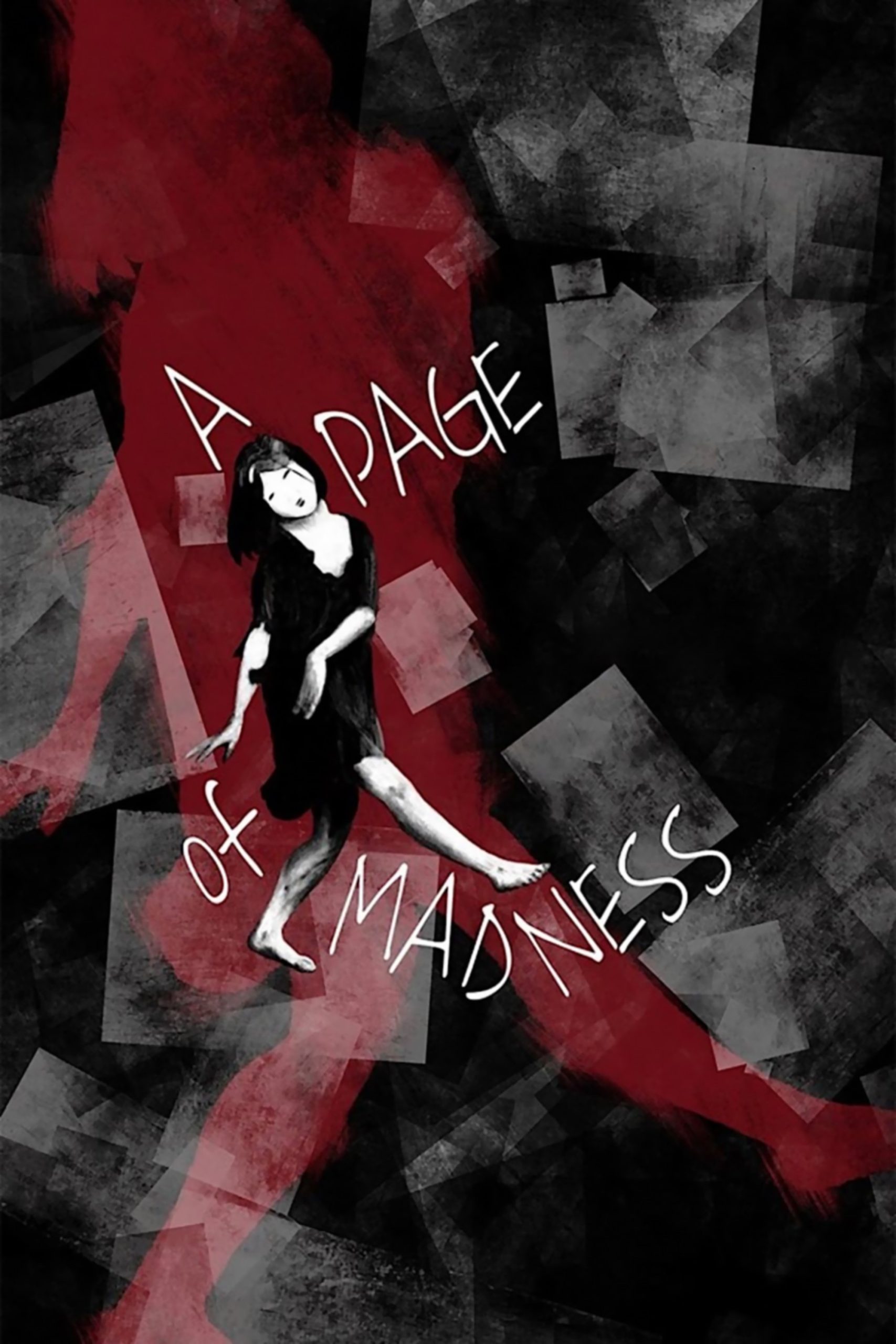
“A Page of Madness” is a landmark in early Japanese cinema, not only for its audacious avant-garde style, but for its deep dive into the psychic burdens carried by one family. Rather than following a straightforward plot, the film immerses viewers in the emotional turbulence of a father who works as a janitor at a remote asylum. His tormented past, guilt over his wife’s institutionalization, and fear for his daughter’s future all swirl into a dreamlike descent, dissolving the line between reality and madness. Through fractured imagery and elusive narrative, the audience is invited into his psychological labyrinth, where redemption and understanding seem always just out of reach.
The film’s main conflict centers on the janitor’s attempts to secure a better life for his daughter, while wrestling with his responsibility for his wife’s fate in the asylum. Rather than resolving these tensions neatly, “A Page of Madness” instead plunges into the spiraling anxieties, illusions, and desperate hopes of its protagonist. This creates a uniquely emotional journey, where logic is often less important than lived, subjective experience.
Core Themes
At its heart, “A Page of Madness” engages several interconnected themes: the nature of insanity, the limits of empathy, the corrosive power of guilt, and the ambiguity between reality and fantasy. The film probes the idea that sanity is not a firm border, but a shifting territory—one where anyone can become lost given enough trauma or sorrow.
The theme of guilt infuses every aspect of the janitor’s actions. Haunted by the sense that his cruelty drove his wife mad, he tries in vain to atone, but his efforts only deepen his own alienation. In parallel, the film interrogates society’s attitudes toward mental illness; the asylum is depicted not as a site of healing but as a place of isolation and misunderstanding, where suffering becomes spectacle and individuality is erased.
Released in 1926, a period of rapid modernization and social upheaval in Japan, the film’s concern with alienation, familial breakdown, and mental instability would have resonated deeply with its contemporary audience. Today, its themes persist in relevance as conversations about mental health, the complexity of familial obligation, and the blurred boundaries between suffering and hope remain urgent and unresolved.
Symbolism & Motifs
“A Page of Madness” employs a rich array of visual and narrative symbols that serve as entry points into its deeper meanings. Chief among these is the motif of the barred window, standing for both physical incarceration and emotional entrapment. Throughout the film, moments are frequently framed through grills and bars, underscoring the characters’ inability to connect with the outside world or even with each other.
Masks and distorted faces abound as well, symbolizing both the concealment of pain and the loss of identity within the asylum. The recurring presence of ominous rain or dripping water echoes the relentless, inescapable torment that haunts both inmates and staff alike. Dance sequences—at once beautiful and frenzied—serve as expressions of inner turmoil, blurring the distinction between madness and artistry. These motifs collectively reinforce the sense that reality itself is unstable, and that communication between souls is perilous and uncertain.
Another key motif is the interplay of shadow and light, which is not simply an artistic flourish but a visual metaphor for the unstable boundary between lucidity and delusion. Faces flicker in and out of darkness, conveying how clarity and obscurity alternate within the troubled mind.
Key Scenes
Key Scene 1
One crucial scene involves the janitor watching his wife deliriously dance alone in her cell, her expression oscillating between bliss and despair. This moment is pivotal, not just for its visual poetry, but for the window it offers into the dynamics of empathy and estrangement. The janitor, unable to bridge the gap between them, can do nothing but witness her suffering—his presence both a comfort and a reminder of past betrayals. The dance becomes a metaphor for their failed attempts at communication, and the impossibility of true understanding. This emotional impasse lies at the core of the film’s meditation on guilt and empathy.
Key Scene 2
A second key scene unfolds as the janitor imagines a fantastical escape for his wife. The film’s visual style shifts; reality fragments into a swirling, chaotic vision of freedom, with blurred figures and fluid movement. In this scene, the difference between hope and delusion vanishes. The janitor’s yearning to undo the past, to rescue his wife and by extension himself, becomes overwhelming. The emotional intensity of this scene reveals how hope, untreated guilt, and madness can become intertwined. Rather than provide release, the fantasy only reinforces his isolation from the real world and his daughter’s needs—highlighting the dangers of living wholly within one’s own imaginings.
Key Scene 3
In one of the film’s final sequences, the janitor’s daughter comes to the asylum, her visit shadowed by anxiety over her upcoming marriage and its potential stigma. The meeting is fraught, charged with unspoken fears and familial longing. In its ambiguous conclusion, the film confronts whether cycles of shame and social rejection can be broken, or whether they inevitably persist across generations. This climactic encounter does not resolve the narrative, but rather opens up questions about responsibility, inherited sorrow, and the possibility of compassion in a fractured world. It serves as the film’s final, haunting meditation on the cost—and the necessity—of trying to connect, even across almost insurmountable distance.
Common Interpretations
“A Page of Madness” has long invited a variety of interpretations, shaped by its narrative ambiguity and radical style. Critics frequently read the film as an allegory for the collapse of communication both within families and within society as a whole. The mental asylum setting is often viewed as a metaphor for the broader alienations produced by modern life, especially in Japan’s rapidly changing post-Taisho era.
Many see the film as a critique of how society isolates those it cannot—or will not—understand, whether due to mental illness, guilt, or unconventional behavior. Others interpret the film, especially its shifting vantage points and subjective visuals, as a meditation on the fragility of sanity and the relativity of perception. The absence of intertitles is sometimes discussed as a deliberate move to disorient viewers, reflecting the opacity and confusion experienced by the characters themselves.
Audiences and scholars also debate whether the janitor’s efforts to help his wife are genuinely redemptive or merely another form of self-delusion—suggesting that good intentions, when unaccompanied by self-knowledge or true understanding, may not be enough to heal trauma. These multiple layers of interpretation contribute to the film’s enduring appeal and mystery.
Films with Similar Themes
- The Cabinet of Dr. Caligari (1920) – Explores insanity, unreliable narration, and the boundary between reality and delusion through its expressionist visuals and narrative twists.
- Stalker (1979) – Andrei Tarkovsky’s film shares a concern with liminality, psychological transformation, and the search for meaning in desolate worlds.
- Repulsion (1965) – Roman Polanski’s psychological study delves into isolation, anxiety, and the collapse of mental order within confined spaces, echoing the subjective unease of “A Page of Madness.”
- A Beautiful Mind (2001) – Engages directly with the lived experience of mental illness, questioning the line separating imagination from reality and the societal pressures attached to normalcy.
In summary, “A Page of Madness” is ultimately a film about the boundaries—social, psychological, and emotional—that define and constrain human life. It reminds us that sanity and madness, guilt and hope, isolation and connection are perpetually in flux, shaped by private suffering and public judgment alike. Its willingness to depict confusion and ambiguity as inherent to the human experience makes it as challenging and vital today as upon its release nearly a century ago, reflecting timeless anxieties about understanding, forgiveness, and the limits of empathy in both family and society.
🎬 Check out today's best-selling movies on Amazon!
View Deals on Amazon