
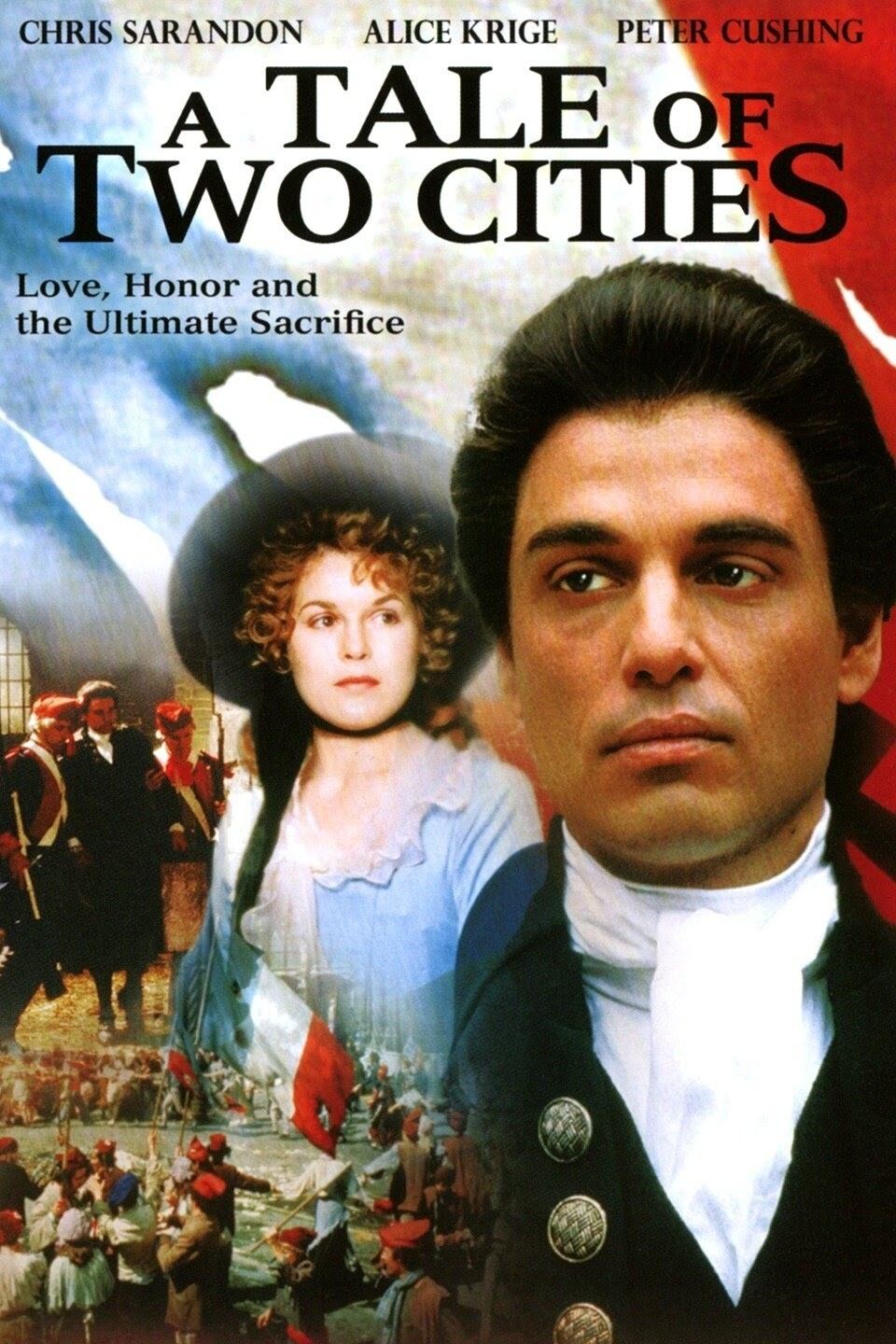
What the Film Is About
The 1935 adaptation of A Tale of Two Cities casts its gaze not merely on historical tumult, but on the personal turmoil waged within individuals caught in the sweep of revolution. Set against the backdrop of the French Revolution, the film investigates the lives of men and women whose fates intertwine, compelling them to wrestle with love, sacrifice, and moral ambiguity. More than a dramatization of Dickens’s celebrated novel, this version becomes a meditation on compassion and transformation, powerfully charting the inner lives of characters as they navigate the perilous journey between self-interest and selflessness.
Emotionally, the film draws viewers into a vortex of fear, hope, and redemption. The central conflict resides not just in the historical violence but in the existential struggle faced by Sydney Carton, whose inner emptiness is transfigured by the possibility of giving meaning to another’s life. Through him, and through the upheaval of a society in revolution, the narrative asks what we owe to others, and what it means to act justly in an unjust world.
Core Themes
At its heart, A Tale of Two Cities (1935) grapples with the themes of sacrifice, justice, and the consequences of social inequality. The film continually returns to the idea that personal redemption is possible, even within a society boiling with vengeance and resentment. It contrasts individual morality with collective rage, examining how both tyranny and revolution breed violence and, in turn, suffering.
The theme of sacrifice permeates not only the actions of central characters but also the film’s emotional fabric. Sydney Carton’s journey from a life wasted to one redeemed through selfless love serves as both warning and inspiration. The story also probes the persistent relevance of justice and its dark twin, revenge. Released during the Great Depression, these themes resonated deeply with contemporary audiences who faced economic turmoil and social unrest, echoing the anxieties of class strife and the yearning for fairness. Yet, these concerns remain urgent today as societies around the world continue to wrestle with inequality, the abuse of power, and the ethical demands of true selflessness.
Symbolism & Motifs
The film makes striking use of recurring symbols and motifs to enrich its thematic resonance. The motif of the guillotine stands as a chilling emblem of both justice and indiscriminate vengeance. Its ever-present shadow in the streets of Paris transforms from an instrument of hope for the downtrodden to a symbol of mob excess and the perversion of justice. Likewise, wine appears early as a double-edged symbol—both a source of communal celebration and a foreshadowing of bloodshed, as famously depicted in the scene of the spilled wine on the cobblestones, which the crowd laps hungrily.
Light and shadow become visual languages throughout the film, separating the safety of London from the menace of revolutionary Paris. The motif of divided cities—London and Paris, order and chaos—mirrors the internal divisions of the characters themselves, especially Sydney Carton. The recurring image of barred windows, echoing the Bastille and other prisons, alludes to physical and metaphorical captivity. These motifs collectively reinforce the film’s exploration of fate, resistance, and the possibility for spiritual freedom even in the direst circumstances.
Key Scenes
Key Scene 1
The early courtroom scene in which Charles Darnay stands trial for treason in England encapsulates the film’s preoccupation with justice and perception. Here, the fragile line between innocence and guilt is dramatized, not only reflecting the arbitrary nature of law but highlighting how easily facts can be overwhelmed by bias. Sydney Carton’s intervention, saving Darnay through clever manipulation rather than truth, sets the stage for the film’s central question: Is justice simply the outcome of clever maneuvering, or does it require something more — something deeper and more compassionate?
Key Scene 2
A powerful moment unfolds when Sydney Carton recognizes his feelings for Lucie Manette and confesses his inability to rise above his own failures, promising only to do anything for those she loves. This quiet, emotionally raw exchange deepens the film’s theme of personal redemption. Carton’s declaration—offering selfless devotion with no expectation of reward—marks a radical departure from his prior cynicism. It is here that the film most clearly articulates its faith in the redemptive power of love and the dignity found in sacrifice, even when it goes unseen.
Key Scene 3
The film’s climactic scene in the shadow of the guillotine crystallizes its ultimate message. Sydney Carton’s willingness to take Darnay’s place, surrendering his own life, becomes a moment of profound transcendence. The quiet dignity with which he faces death provides a searing counterpoint to the chaos surrounding him, and his famous last words echo as a statement of faith and optimism: “It is a far, far better thing that I do, than I have ever done.” This final sacrifice offers the hope that redemption and meaning are possible, not just for individuals, but for a society on the brink of self-destruction.
Common Interpretations
Critics and audiences have often interpreted A Tale of Two Cities (1935) as an earnest plea for empathy in times of upheaval. The film is commonly seen as a meditation on the destructive power of vengeance and the necessity for mercy, both on a personal and collective scale. Many readings focus on the way the film contrasts the just motives of revolution with the violence that such upheaval can unleash, suggesting that righteous anger, without restraint or conscience, can easily devolve into terror.
Another prevailing interpretation views the character of Sydney Carton as an emblem of human fallibility redeemed by an act of extreme self-abnegation. The story thus becomes not just a social critique, but an exploration of the transformative potential of love and self-sacrifice. Some viewers also note the ways in which the film reflects anxieties about social unrest prevalent in the 1930s—seeing the French Revolution as a historical mirror for the class tensions of their own era.
Films with Similar Themes
- Les Misérables (1935) – Explores the dynamics of justice, redemption, and the capacity for individuals to overcome personal failures within a society riven by class conflict.
- The Scarlet Pimpernel (1934) – Set during the French Revolution, it probes issues of sacrifice, heroism, and the moral limits of loyalty amid political chaos.
- Dr. Zhivago (1965) – Navigates the personal impact of violent social upheaval, focusing on love, loss, and the search for meaning as history is upended.
- Paths of Glory (1957) – Examines the consequences of institutional injustice in wartime and the moral courage required to challenge an inhuman system.
Ultimately, the 1935 film adaptation of A Tale of Two Cities insists upon the enduring value of compassion amid brutality. Its portrayal of transformation through sacrifice and the dangers of unchecked vengeance serves as both historical caution and timeless reflection on the best and worst in human nature. While directly speaking to an era marked by its own anxieties and uncertainties, the film’s message remains a poignant reminder that hope, justice, and redemption are battles fought not only in grand revolutions but within the quiet, courageous choices of individuals.
🎬 Check out today's best-selling movies on Amazon!
View Deals on Amazon