
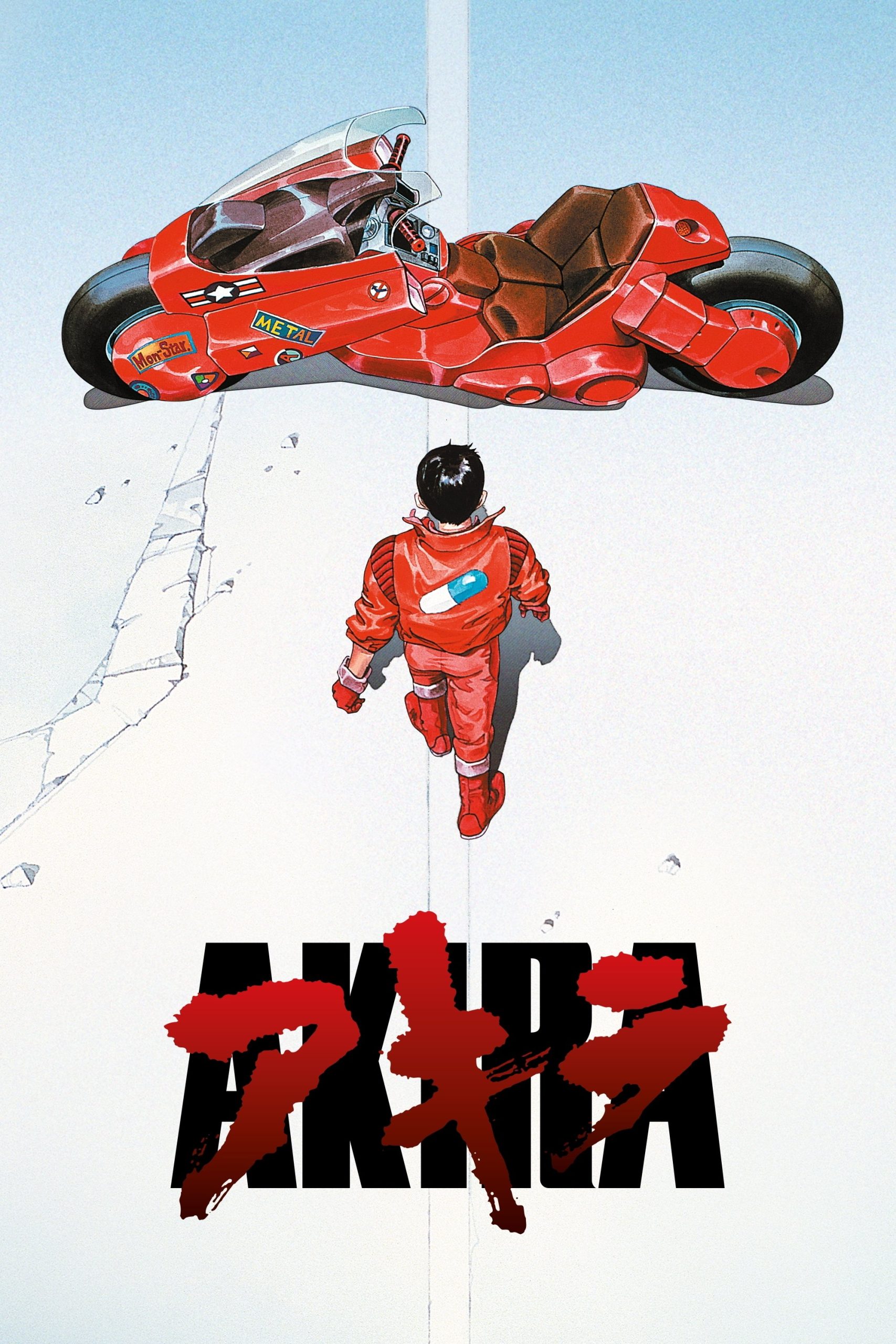
What the Film Is About
“Akira” unfolds against the backdrop of a dystopian Neo-Tokyo, presenting a society fractured by political instability, underground rebellion, and the trauma of past catastrophic destruction. At its heart, the film traces the emotional journeys of Kaneda and Tetsuo—childhood friends whose lives diverge as Tetsuo acquires uncontrollable psychic powers. The central conflict is not just between individuals or factions, but between sweeping forces of evolution, authority, and personal transformation. The narrative is propelled by characters struggling to assert agency within a world teetering on the edge of chaos, and ultimately asks: can power be harnessed without corrupting all that is human and hopeful?
Rather than offering a straightforward hero’s story, “Akira” delivers a relentless meditation on the burdens of power, the breakdown of social order, and the possibility of rebirth after destruction. Its emotional tenor is restless and haunting, oscillating between moments of deep alienation and flickers of loyalty or tenderness. Through the relentless unraveling of control—personal and institutional—the film invites viewers to confront difficult questions about responsibility, identity, and the limits of science and ambition.
Core Themes
One of the most prevalent themes in “Akira” is the seductive but destructive nature of power. Tetsuo’s transformation from a bullied youth into a virtually omnipotent being is at once a wish fulfillment and a warning: unchecked potential, whether psychic or technological, threatens to consume individuals and societies alike. The film uses his arc to probe the ethical dilemmas inherent to progress—when does scientific advancement turn into hubris, and at what cost to humanity?
Closely related is the theme of authority versus individuality. The authoritarian government and clandestine military experiments form a cold counterpoint to the unruly energy of Neo-Tokyo’s youth, reflected in gang culture and anti-establishment uprisings. This tension is threaded through every layer of the film, echoing Japan’s own postwar anxieties about militarism, technology, and social cohesion. The trauma of atomic devastation lingers in the narrative DNA, making “Akira” both a warning and a lament for societies pushed to the brink by their own inventions.
Another key theme is the search for identity. Characters struggle against forces that would define or control them—from systemic violence to the mutation of the self through power or trauma. Kaneda’s fierce loyalty and Tetsuo’s desperate quest for autonomy are deeply human responses to a world where meaning is unstable. The film’s preoccupation with transformation—biological, psychological, urban—reflects a society wrestling with rapid change and uncertain futures. These questions were urgent in 1988, as Japan faced technological acceleration and cultural upheaval, and they remain sharply relevant in a global age of political unrest and runaway innovation.
Symbolism & Motifs
“Akira” is dense with recurring symbols and motifs that reinforce its central questions. Most iconic is the image of destruction and rebirth: swirling explosions, crumbling cityscapes, and the relentless motif of circular forms—embodying cycles of annihilation and creation. The film uses these images to evoke the atomic bomb’s legacy and the fear that history is doomed to repeat itself unless humanity finds another path.
Motorcycles are another powerful motif, particularly Kaneda’s bright red bike. More than a symbol of youthful rebellion, the motorcycle represents personal agency, technological prowess, and a breakneck race toward the unknown. The bike becomes a visual counterpoint to the faceless machinery of the military complex, suggesting both the allure and the peril of progress.
Tetsuo’s transformation is underscored by grotesque body horror—the literal loss of bodily boundaries mirroring the psychic and ethical collapse that unchecked power brings. This motif interrogates the promise of scientific “improvement” by visualizing the monstrous consequences of unrestrained ambition. Finally, the imagery associated with the children who possess psychic abilities—their aged, frail bodies and childlike faces—blends innocence and uncanny wisdom, suggesting that immense potential comes at an immense cost.
Key Scenes
Key Scene 1
The moment in which Tetsuo first manifests his psychic abilities stands as a crucial turning point for the narrative and its themes. The emotional charge of this scene emerges not just from spectacle, but from the terror and awe on the faces of bystanders—especially Kaneda—who realize that the familiar boundaries between human and superhuman, childhood and adulthood, have been violently breached. The chaos unleashed is not merely physical, but existential, representing the dangers of powers that outstrip understanding or compassion. This scene crystallizes the film’s essential tension: the possibility that what makes us human is fragile and easily undone in the absence of restraint or empathy.
Key Scene 2
Later in the film, a confrontation between Kaneda and Tetsuo erupts within the ruins of Neo-Tokyo’s Olympic stadium. It is here that “Akira” lays bare its profound anxieties about friendship, rivalry, and the destructive potential of alienation. Kaneda’s attempts to reach the friend he once knew are juxtaposed with Tetsuo’s desperate assertion of selfhood, now twisted beyond recognition. The visual and emotional violence of this encounter underlines the tragic costs of technological and psychic excess; more than a fight, it is a mournful questioning of whether lost humanity can ever be reclaimed. This scene encapsulates the difficulty of communicating across the chasm created by fear, envy, and uncontrolled transformation.
Key Scene 3
In the climactic sequence, Tetsuo’s body undergoes a catastrophic transformation, consuming everything in its path before collapsing into singularity. The imagery is both horrifying and transcendent. The scene suggests dissolution but also the possibility of a new genesis—a cosmic reset forced by the very forces human beings sought to master. In these final moments, “Akira” offers no easy answers. Instead, it confronts viewers with the sublime terror and promise of rebirth: that from the wreckage of failed ambitions, something new can arise. This ultimate ambiguity is central to the film’s meaning, positioning the act of destruction not as closure, but as a somber opportunity for transformation.
Common Interpretations
Critics and audiences alike have gravitated to readings of “Akira” as a cautionary tale about the dangers of technological advancement without ethical limits. Some view it as direct commentary on Japan’s post-war experience, echoing the trauma of Hiroshima and Nagasaki, as well as the rapid modernization and attendant social anxieties of the 1980s. Others interpret the film as an allegory for adolescence, with Tetsuo’s loss of control mirroring the volatility and pain of coming of age in an indifferent or chaotic world.
Additionally, the film is often discussed in the context of cyberpunk, seen as a meditation on the loss of individuality and humanity in hyper-surveilled, hyper-technological societies. While many interpretations focus on the destructive nature of power, some emphasize the possibility of hope embedded in the chaos—suggesting that only through honest confrontation with the consequences of our actions can genuine renewal occur. While the specific lens may differ, most read “Akira” as both a warning and an urgent invitation to rethink how we wield the tools, technologies, and powers we create.
Films with Similar Themes
- Blade Runner (1982) – Explores the ethical and existential consequences of scientific and technological advancement, particularly what it means to be human in a world where power blurs the line between creation and destruction.
- Ghost in the Shell (1995) – Delves into questions of identity, authority, and the permeable boundaries between humanity and technology, presenting a dystopian future with similar anxieties about selfhood and control.
- Neon Genesis Evangelion (1995) – Parallels Akira’s exploration of trauma, adolescence, and apocalyptic transformation, emphasizing the burden of power and the search for meaning in chaos.
- Children of Men (2006) – Addresses societal collapse, lost hope, and the fragile possibility of renewal amid systemic decay, echoing Akira’s meditation on destruction and rebirth.
Ultimately, “Akira” is an unflinching examination of the intersections between power, progress, and personal responsibility. It cautions against blind faith in authority or technology while acknowledging the deep human desire for agency and transformation. Rooted in the specific historical context of postwar and late-20th-century Japan, yet resonant with contemporary dilemmas, the film argues that true growth only comes when we recognize both the limits of our desires and the necessity for ethical boundaries. In laying bare the costs of unchecked ambition, “Akira” forces us to ask whether humanity can learn from its scars, and whether hope is possible—even, or only—after the storm.
🎬 Check out today's best-selling movies on Amazon!
View Deals on Amazon