
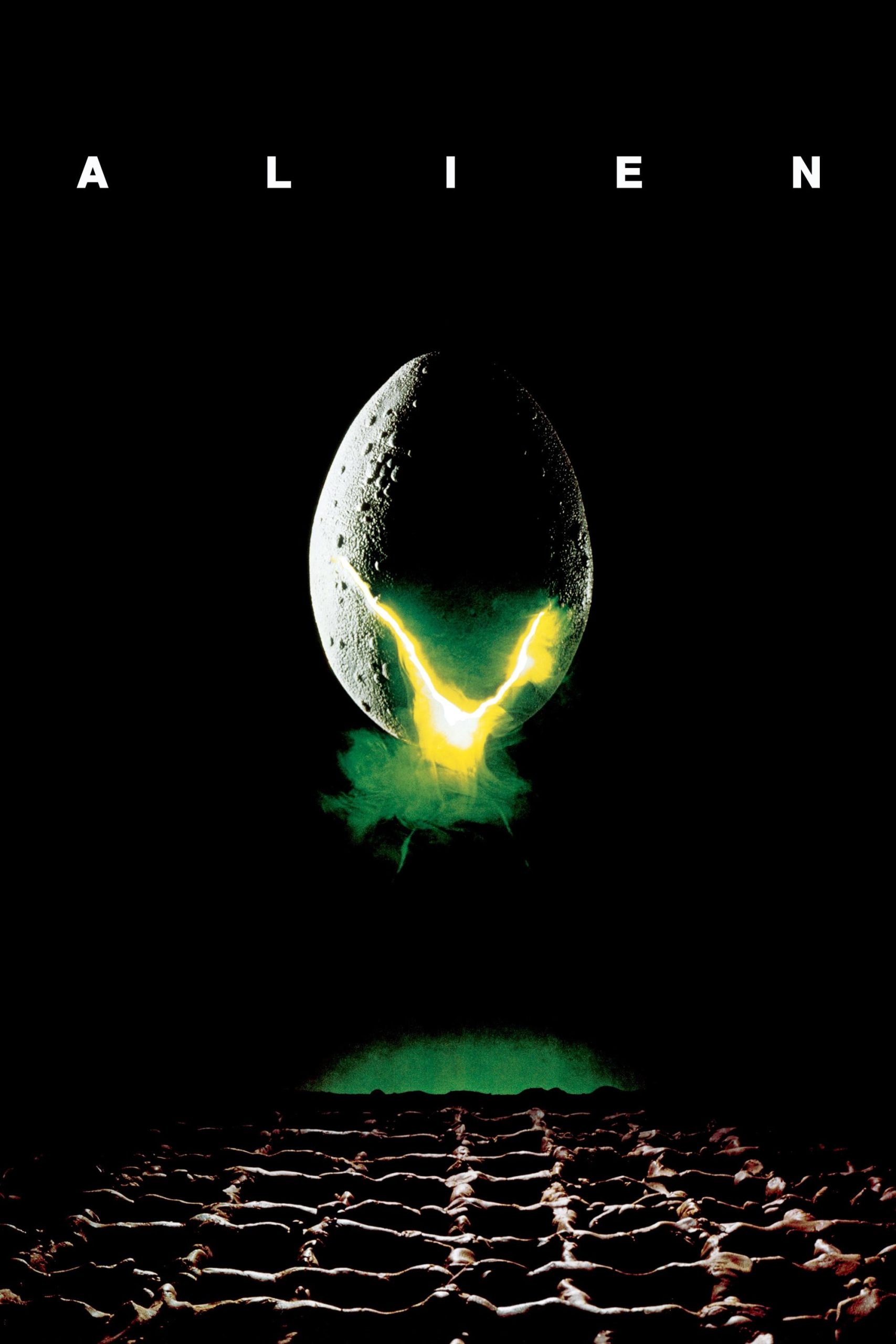
What the Film Is About
“Alien” is an intense meditation on fear, survival, and the profound vulnerability that lurks beneath the surface of modern society. Set aboard the commercial spaceship Nostromo, the film channels the anxieties of isolation, both physically and psychologically, as a deadly extraterrestrial force infiltrates a confined environment. The emotional arc follows Ripley and her crew as they are forced from routine professionalism into a desperate fight for their lives, revealing who they become under unimaginable stress. At its heart, “Alien” is less about its titular monster and more about the dread of the unknown and the breakdown of trust in the spaces meant to keep us safe.
The central conflict pits ordinary humans against a perfect predator, stripping away the illusion of control and technological superiority. The film’s narrative trajectory is relentless: it transforms everyday work—the drudgery of space hauling—into a crucible of existential threat, compelling each character to confront their mortality and each other, ultimately exposing the thin veneer of order that separates civilization from chaos.
Core Themes
A defining theme of “Alien” is the terror of the unfamiliar—how humanity reacts when confronted with something truly alien. The film probes not only the horror of the creature itself, but also larger anxieties about technology, corporate greed, and the ethics of sacrifice. At the time of its release, these concerns echoed a society increasingly suspicious of authority, automation, and the unchecked power of multinational corporations.
The film also unpacks the dynamics of power and exploitation. The crew of the Nostromo is treated as expendable by the faceless corporation that employs them, reflecting late-1970s fears about being reduced to replaceable cogs. Gender is a significant undercurrent too. Ripley’s emergence as the protagonist challenges traditional gender roles, especially in science fiction and horror, by placing a female character at the center of courage, resourcefulness, and leadership.
Alien further explores the violation of bodily autonomy and the unpredictable nature of creation. The film’s horror is rooted not only in death, but also in the grotesque appropriation and subversion of birth, suggesting deep anxieties about where life comes from and who controls it. These themes remain relevant today as societies continue to debate technology, the rights of individuals, and the meaning of work in impersonal systems.
Symbolism & Motifs
Much of the film’s enduring impact comes from its rich visual and thematic symbolism. Chief among these are the repeated motifs of penetration and infection. The alien’s life cycle—invading, gestating, and violently bursting forth—mirrors both sexual assault and uncontrollable contamination. The facehugger’s forced implantation and the chestburster’s shocking birth evoke an inversion of the reproductive process, transforming it into a source of trauma and horror, rather than joy.
The Nostromo itself serves as a labyrinthine symbol: a vast but claustrophobic environment, both a place of refuge and a cage. The ship’s dark corridors reinforce the characters’ isolation and powerlessness, becoming a metaphor for the unconscious. Moreover, the reoccurring imagery of industrial machinery and sterile technical interfaces emphasizes the dehumanizing effects of corporate and technological systems, while the alien’s raw, organic form is a stark counterpoint to these artificial constructs.
Ash, the ship’s science officer, embodies another potent motif: the threat of the inhuman within the human. His true nature as an android and corporate agent complicates the boundary between ally and enemy, machine and person. This blurring of distinctions is central to the film’s exploration of trust, identity, and the vulnerability of the human body and soul to co-optation by external forces.
Key Scenes
Key Scene 1
The infamous chestburster sequence is as symbolic as it is shocking. This scene crystallizes the film’s preoccupation with forced entry and bodily violation, exploding the normalcy of a shared meal into a site of nightmare. The horror is heightened by the familiarity of the situation: camaraderie gives way to terror in seconds. In one indelible moment, all pretensions of safety are eviscerated, underscoring the randomness with which external horrors can intrude upon daily life. The terror is not just in the spectacle, but in the implications—that life can be invaded, and that no one is immune.
Key Scene 2
The confrontation between Ripley and Ash—culminating in the revelation of Ash’s true identity as an android—lays bare the film’s distrust of authority and technology. When Ash attempts to kill Ripley, his attack is clinical, implacable, and utterly devoid of empathy. The discovery that Ash has been manipulated by the corporation to secure the alien at all costs deepens the central theme of expendability. Here, the true villain is not only the creature, but also a system that prioritizes profit over people. Ripley’s resilience in the face of betrayal solidifies her as a force of agency in a world determined to suppress it.
Key Scene 3
Ripley’s final confrontation with the alien—in the escape shuttle, isolated and stripped of all pretense of security—acts as a powerful summation of the film’s existential dread. Ripley must use her wits, resourcefulness, and courage to survive, rather than brute force or technological advantage. This solitary struggle underscores the theme that survival often demands individual resolve and an acceptance of vulnerability. The denouement, with Ripley adrift in the void, conveys both relief and unresolved tension: the struggle for survival is won, but the possibility of new threats remains ever-present, reflecting the film’s deeper anxieties about what lurks beyond the limits of human understanding and control.
Common Interpretations
Critics and audiences have long debated the meaning behind “Alien,” with several widely accepted interpretations emerging. One of the most prominent readings views the film as a meditation on gender and sexual violence. The monstrous life cycle of the alien, particularly its use of the male body to gestate its young, inverts traditional gender roles and unsettles expectations about vulnerability and control. Ripley’s survival stands as a subversion of romantic or maternal conventions often imposed on female characters.
Another interpretation emphasizes the film’s critique of corporate power, seeing the Nostromo crew as exploited laborers whose lives are subordinate to the profit motives of an unseen bureaucracy. The betrayal by Ash and “Mother” (the ship’s computer) becomes emblematic of a world in which technology and hierarchy collude against the individual. Some interpretations foreground the existential terror at the heart of the film: the cosmic indifference of the universe, where survival hinges not on heroism but on grit and adaptability.
While more speculative readings exist—such as allegorical connections to disease, Cold War paranoia, or psychoanalytic fears—most commentary returns to “Alien” as a potent exploration of fear in both its literal and metaphorical forms. The film’s legacy is rooted in its ability to evoke dread without easy answers, inviting viewers to confront the unknown within and without.
Films with Similar Themes
- The Thing (1982) – Both films probe the terror of the unknown in an isolated environment, using alien intrusion as a metaphor for distrust and the fragility of social bonds.
- Blade Runner (1982) – Explores questions of humanity, identity, and corporate exploitation in a dystopian future, with androids challenging the boundaries between human and machine.
- Sunshine (2007) – Centers on a diverse crew facing existential terror on a space mission, raising anxieties about isolation, sacrifice, and the power of human resilience.
- Under the Skin (2013) – Another story of an alien presence, focused on bodily invasion and the strangeness of human experience, told from the perspective of the ultimate outsider.
Ultimately, “Alien” communicates a sobering vision of human existence: that even in the age of technology, when society appears most advanced and secure, ancient fears of the unknown persist. The film asks uncomfortable questions about exploitation, autonomy, and survival in a universe at best indifferent and at worst predatory. By marrying visceral horror with thoughtful social critique, “Alien” remains a resonant meditation on vulnerability, endurance, and what it means to be both truly alone and truly alive.
🎬 Check out today's best-selling movies on Amazon!
View Deals on Amazon