
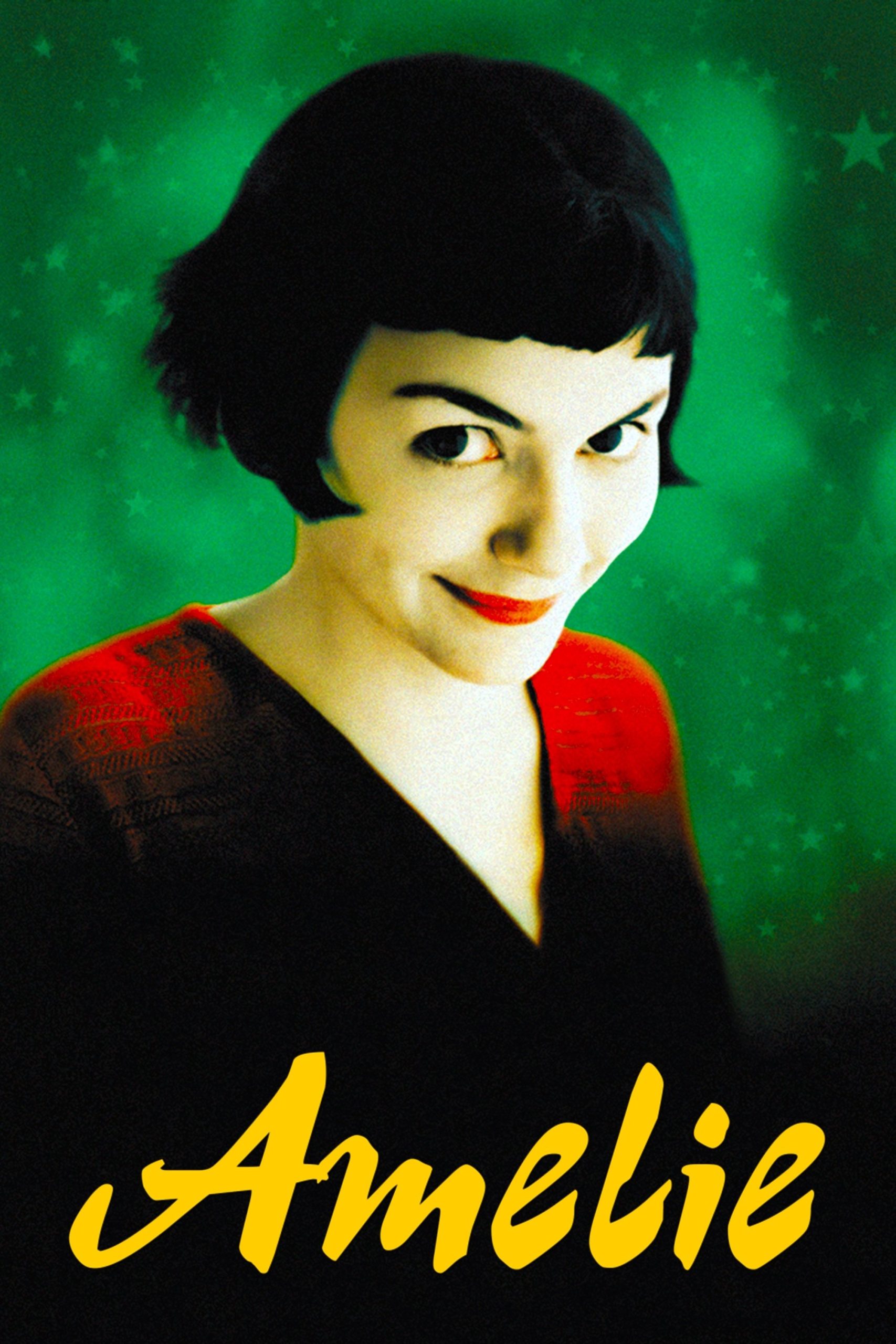
What the Film Is About
“Amélie” is a whimsical yet deeply affecting portrait of a young woman’s quest to bridge the distance between herself and the world around her. Set against the vibrant backdrop of late 1990s Montmartre in Paris, the film follows Amélie Poulain, an introverted waitress whose childhood shaped her into a keen observer of the subtle sorrows and quiet joys in the lives that surround her. Rather than centering on conventional romance or melodrama, the narrative revolves around Amélie’s quiet mission to nudge people toward happiness, meaning, and connection — all while evading her own desires with an elaborate game of avoidance and invention.
The emotional journey at the heart of “Amélie” is not just about the titular character’s acts of kindness, but her gradual confrontation with loneliness, fear, and self-doubt. The film’s central conflict lies in Amélie’s struggle to step out from her self-imposed isolation and discover whether genuine intimacy can be found after a lifetime of emotional distance. Through this, “Amélie” constructs a narrative that is both universally relatable and intimately specific, gently urging viewers to consider how small gestures and private epiphanies can shape our shared reality.
Core Themes
At its core, “Amélie” explores the possibilities and limitations of human connection in a modern urban world often characterized by alienation. The film meditates on the transformative power of empathy — not as grand, heroic gestures but as a constellation of ordinary, sometimes unnoticed acts. Amélie acts as both outsider and facilitator, demonstrating how attentiveness to others’ needs can serve as both a shield against isolation and a bridge toward belonging.
Another prevailing theme is the tension between fantasy and reality. Much of the film’s narrative — and visual style — blurs the line between what Amélie imagines and what is real, reflecting a deeper longing for joy amid everyday banality. This tension underscores the importance of personal agency in constructing meaning, even within the apparent limitations of daily routines.
“Amélie” also quietly interrogates the experience of loneliness, particularly the kind that hides beneath the surface in crowded cities. The characters Amélie encounters each shelter secret disappointments or unfulfilled dreams. The film’s sentimentality is thus tempered by a recognition that happiness is fragile, provisional, and dependent on courage — the willingness to make oneself vulnerable, take risks, and reach outward.
When it was released in 2001, “Amélie” resonated with a world teetering between optimism and uncertainty: the digital age was accelerating, traditional communities seemed to be fraying, and many felt unseen within growing urban anonymity. Its themes remain enduring today, offering a poetic and hopeful blueprint for how small kindnesses, practiced regularly, can help stitch the social fabric — no matter the era.
Symbolism & Motifs
“Amélie” is dense with recurring symbols and visual motifs that reinforce its emotional landscape. One of the most memorable is the motif of concealed treasures — such as the childhood box Amélie discovers in her apartment. Objects hidden away in nooks and crannies symbolize lost or neglected parts of our own histories and identities, only rediscovered through chance, curiosity, or benevolence.
Mirrors and windows frequently frame Amélie, visually emphasizing her role as an observer longing to step into the world she can only glimpse. Throughout the film, the use of rich, saturated colors — especially reds and greens — creates an atmosphere slightly removed from reality, echoing Amélie’s tendency to imagine life more vividly than she lives it.
Animals, imaginary or real, are also used symbolically: Amélie’s goldfish represents the limits placed on her childhood and her early isolation, while scenes involving a mysterious garden gnome invoke the absurdity and joy found in disrupting routines. The garden gnome’s international journey, for example, parodies the desire for escape while poking fun at the constraints of habitual existence.
Photobooths are another recurring motif, suggesting the multiplicity of identity and the ways people search for evidence of their own existence. The torn and discarded photobooth pictures speak to broken connections and missed opportunities, while Amélie’s obsession with piecing together the mystery of the photo collector symbolizes her own quest for understanding, presence, and love.
Key Scenes
Key Scene 1
One crucial scene centers on Amélie returning a decades-old box of childhood memorabilia to its now-adult owner. The emotional impact is subtle yet profound: the man, touched beyond words, is momentarily reconnected with his innocence and sense of wonder. This moment is significant not simply because of the joy it imparts, but because it reveals the film’s core principle: that small acts of empathy can catalyze deep transformation. It also signals to Amélie herself the latent power she holds to affect the world — setting her on her subsequent quest to bring happiness to others.
Key Scene 2
Another pivotal scene takes place in the café where Amélie works. She orchestrates elaborate acts to reunite two lovelorn regulars. While played with comic lightness, the scene’s true import is found in its exploration of agency: Amélie is both meddler and guardian angel, using her ingenuity to test the boundaries between fate and free will. Her interventions highlight the delicate balance between helping others and respecting their ability to shape their own destinies. This scene deepens our understanding of Amélie’s worldview — one invested in possibility but wary of emotional entanglement.
Key Scene 3
The film’s emotional crescendo is reached when Amélie finally confronts her own hesitations and reveals her feelings to Nino, the man whose photographic obsessions mirror her own. This act of vulnerability stands as a decisive turning point. For Amélie, who has spent years manipulating the lives of others while concealing her own heart, this unguarded leap represents the ultimate synthesis of the film’s themes: empathy is not complete unless one is willing to be both giver and receiver. The gentle catharsis of this moment gracefully articulates the film’s lasting message — that the courage to step into the unknown is the only route out of true loneliness.
Common Interpretations
“Amélie” is most commonly interpreted as a romantic fable about hope, kindness, and the redemptive nature of minor miracles in everyday life. Critics have often applauded its refusal to sentimentalize loneliness or treat whimsicality as mere escapism; rather, the film is seen as a meditation on the necessity of courage in confronting isolation. Some viewers interpret the film as a celebration of introversion and sensitivity in a world increasingly dismissive of such traits, while others read it as a critique of passivity, suggesting that genuine fulfillment can only be attained through action, not fantasy.
There is also a thread of interpretation focusing on the film’s affection for the overlooked and the ordinary. The lovingly detailed close-ups and voiceover commentary frame everyday people as worthy of cinematic attention and empathy — a stylistic choice that many believe democratizes beauty and significance. However, a minority of critics have noted the film’s tendency to sentimentalize Parisian life, creating a stylized version somewhat removed from social and political realities. Nonetheless, most readings agree that “Amélie” endorses the idea that meaningful change, whether personal or social, often begins with the simple decision to see and care for others.
Films with Similar Themes
- The Secret Life of Walter Mitty – Like “Amélie,” this film explores the interplay between imagination and real-world action, charting a protagonist’s evolution from observer to participant in his own life.
- Le Fabuleux Destin d’Amélie Poulain (original French title) – Notably, the international success of “Amélie” spawned a wider appreciation for films simmering with gentle magic realism and narratives focused on ordinary people’s small epiphanies.
- Midnight in Paris – This film similarly blurs fantasy and reality to explore longing, nostalgia, and the search for authentic connection in a mythic Paris.
- Lost in Translation – While more subdued in tone, Sofia Coppola’s film similarly investigates the ache of human disconnect and the fleeting, transformative power of brief encounters.
Ultimately, “Amélie” communicates an enduring truth about human nature and society: that happiness is both a personal pursuit and a communal creation, forever shaped by those small, often unseen gestures born out of paying careful, loving attention to the world. The film reflects an era anxious about isolation but not yet cynical, suggesting through its radiant artistry that hope and kindness, however quiet or peculiar, remain revolutionary acts.
If you’re curious about how this film was originally perceived or how it compares to similar works of its era, these resources may be helpful.
For modern viewers, this film is best approached as a work that communicates its ideas through character interaction rather than spectacle.
Understanding its themes in this way can help contemporary audiences appreciate its relevance without requiring historical or academic background.
🎬 Check out today's best-selling movies on Amazon!
View Deals on Amazon