
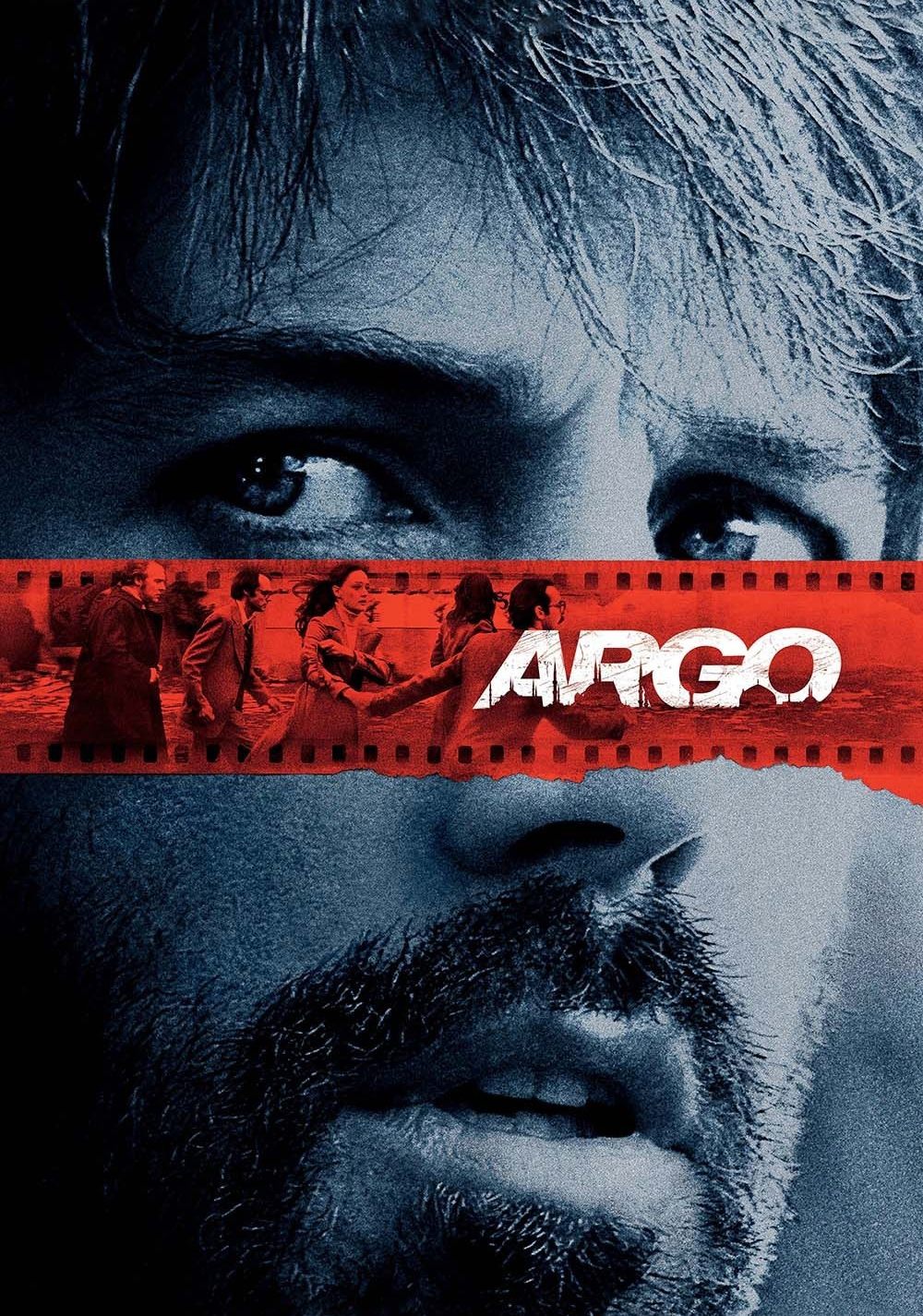
What the Film Is About
My first encounter with “Argo” left me hanging on the edge of my seat—not because of explosions or high-speed chases, but because of the overwhelming anxiety pulsating through each moment. For me, the film’s real heartbeat is its tightrope-walk between hope and dread. It’s not just about escaping from danger; it’s about the psychological weight of risking everything, not just your life, but your identity and belief in your role in the world. The film’s emotion is a nearly unbearable blend of fear and tenacity; I felt drawn into the tense standoff between trust and desperation that drives every decision its characters make.
What truly struck me was how “Argo” contrasts the personal with the political. The hostages and their would-be rescuer, Tony Mendez, are ordinary people asked to become players in an international game of deceit. I sensed that, at its core, the movie is about the cost of courage in a world where truth and fiction become blurred for survival. Each character is pushed to their psychological breaking point, not just by external threats but by the internal pressure to uphold humanity, even as systems and institutions seem to have abandoned them.
Core Themes
Stepping back from the mechanical details of the plot, I see “Argo” as a meditation on the intersection of deception and heroism. The theme that resonated most with me is the paradoxical power of storytelling. The characters quite literally use fiction to save lives—posing as a Hollywood film crew—to outwit a deadly reality. For me, this blurring of truth and illusion raises urgent questions: At what point does a lie become an act of mercy? Can the performance of heroism be as meaningful as its reality?
The film’s 2012 release placed it squarely in an era obsessed with authenticity and spectacle—social media’s explosion, crises of governmental trust, and renewed scrutiny of the CIA in popular discourse. Watching it, I felt an uncomfortable kinship with the characters’ compulsion to perform normalcy in the midst of a nightmare. Their predicament highlights the fine line between necessary deception and moral ambiguity. Today, when we are bombarded by competing narratives in politics and media, these themes feel even sharper: How do we know when the story we’re being told—and the story we’re telling ourselves—serves justice or simply survival?
Another theme that grabbed me is the valorization of collaboration over individual heroics. While popular culture so often glorifies the lone wolf, “Argo” insists that salvation requires collective trust and interdependence, even across unlikely divides—whether it’s Hollywood insiders, diplomatic staffers, or covert agents. This message about shared vulnerability and resilience feels both timeless and deeply relevant in an era defined by polarization and uncertainty.
Symbolism & Motifs
Visually and narratively, I kept noticing how “Argo” uses contrasting environments and objects to reinforce its themes. The most obvious and, to me, the most chilling is the continual motif of doors—barred, opened, closed, sometimes just slightly ajar. These are more than set pieces; they become emblems of fragile borders between safety and danger, honesty and duplicity. I couldn’t help but see each doorway as an existential crossroads, not just in the American embassy, but in the minds of the characters. Passing through means embracing both risk and the unknown—an idea that echoes the larger uncertainties of Cold War geopolitics and the ever-shifting sands of personal loyalty.
I was fascinated by the recurring images of disguises and masks, both literal and figurative. There’s the obvious: Hollywood makeup and costumes, forged passports, fake storyboards. But then there’s the deeper masquerade—the calm faces, the practiced lies, the suppressed terror. The whole aura of performance, from glitzy LA parties to the cold desperation in Tehran, amplifies how unstable identity becomes under stress. The interplay of real identity and assumed roles is, for me, the backbone of the film’s psychological suspense.
Finally, I found myself fixated on the motif of media: television screens, news clippings, and even the fake science-fiction film script. These frames-within-frames are a sly reminder that reality is always mediated, always subject to manipulation. The endless re-showing of the embassy takeover is a particularly haunting touch—it underlines not just a historical event but how trauma is replayed and reinterpreted, both by those who lived it and by audiences removed from it.
Key Scenes
Key Scene 1
For me, the scene where Mendez sits across from his superiors and proposes the “fake movie” plan is a watershed moment. What’s compelling here isn’t simply the audacity of the scheme, but how the absurdity itself is a commentary on desperate circumstances. As the room erupts in laughter and disbelief, I felt an incisive critique of bureaucratic inertia and the way institutions only recognize courage when pushed to the breaking point. This moment is a razor-sharp exposé of how creativity—no matter how bizarre—emerges not from comfort, but from necessity. It’s less about the mechanics of the mission and more about how truth can be constructed, challenged, and finally accepted within a community that almost doesn’t want to believe in its own power to act.
Key Scene 2
Another moment that lingers with me is the tense passage through the airport in Tehran. Here, the themes of trust and performance collide in spectacular fashion. The group, each enacting their Hollywood cover story, faces scrutiny at every step. I found myself holding my breath—not just out of fear for them, but out of awe for how their survival depends entirely on convincing others, and perhaps themselves, of a fictional reality. The film’s message crystallizes here: sometimes, the line between life and death is as thin as the border between acting and being. The scene exposes both the necessity and the cost of institutionalized deception—reminding me that high-stakes morality is rarely black and white.
Key Scene 3
When Mendez finally returns home and quietly reunites with his estranged family, the tone shifts. The madcap plans and heart-pounding escapes fade, replaced by an almost painful normalcy. To me, this quiet ending drives home the modest but profound triumph of human connection over mythic heroism. The real reward isn’t political recognition or cinematic spectacle, but the restoration of private bonds fractured by public duty. In that hug at the doorway, I heard the film’s final argument: heroics mean little without the chance to come home, to try to rebuild whatever remains after disaster. This scene, subtle but shattering, turns the spotlight from spectacle to intimacy, making “Argo” an insistently human story despite its geopolitical scale.
Common Interpretations
Nearly every conversation I’ve had about “Argo” circles back to its ambiguous stance on heroism and truth. Many critics see the film as a celebration of ingenuity against insurmountable odds, and an ode to unsung bureaucratic and creative labor. There’s a strong reading that positions Tony Mendez as an emblem of the quiet, methodical hero who prevails through wit rather than violence. I agree with this, but I also find myself drawn to a more nuanced take—the sense that the film questions the morality of its own methods. That is, while the ruse works, we’re left unsettled by how often lies must substitute for trust when systems fail.
Others have pointed out the film’s sharp commentary on the relationship between Hollywood and government, seeing “Argo” as a wry indictment of a culture that often prefers illusion to inconvenient truths. I resonate with this interpretation, noticing how the film playfully exposes the machinery of manufactured reality, both in spycraft and show business. There’s also criticism, both at release and after, about the film’s historical liberties—its omission of key players and simplification of events. While these critiques are valid, I view them as part of the ongoing debate over historical filmmaking’s responsibility to balance fact, empathy, and urgency.
A final thread that surfaces in discussions is the film’s handling of East-West power dynamics. Many have noted its potential orientalism, or at least its simplification of Iranian perspectives. While this is a limit, I feel the movie is ultimately less about “sides” than about the unpredictability and humanity of individuals caught in the sweep of history. I find myself returning again and again to that sense of uncertainty—the knowledge that, no matter how dazzling the subterfuge, everyone involved is ultimately fumbling toward safety in the shadows of larger, uncontrollable forces.
Films with Similar Themes
- Munich – I see a strong thematic connection in the way both films wrestle with the ethics of covert operations and the toll such missions take on their participants’ psyches.
- Bridge of Spies – This film echoes “Argo” in its nuanced exploration of negotiation, diplomacy, and the blurry lines between truth and deception during the Cold War.
- Zero Dark Thirty – The connection here is in the depiction of the U.S. intelligence community’s moral quandaries and the personal costs behind institutional heroism.
- Catch Me If You Can – Despite its lighter tone, this film shares “Argo”’s fascination with performance, forgery, and the art of making fiction real enough to change lives.
Casting my thoughts across the film’s architecture, I’m convinced “Argo” isn’t just a thriller or procedural drama; it’s a full-throated meditation on the fragility of truth and the unforeseen power of collective daring. It reminds me that our survival, both as individuals and as societies, often depends on the stories we choose to believe and the risks we’re willing to take to make those stories come true. In depicting this, “Argo” speaks not just to one historical crisis, but to the ever-renewing question of what it costs to force open a door when fate, politics, and fear seem determined to keep it closed.
If you’re curious about how this film was originally perceived or how it compares to similar works of its era, these resources may be helpful.
Related Reviews
If you found value in my perspective, you might also enjoy exploring my thoughts on other cinematic landmarks such as All the President’s Men and The Conversation.
🎬 Check out today's best-selling movies on Amazon!
View Deals on Amazon