
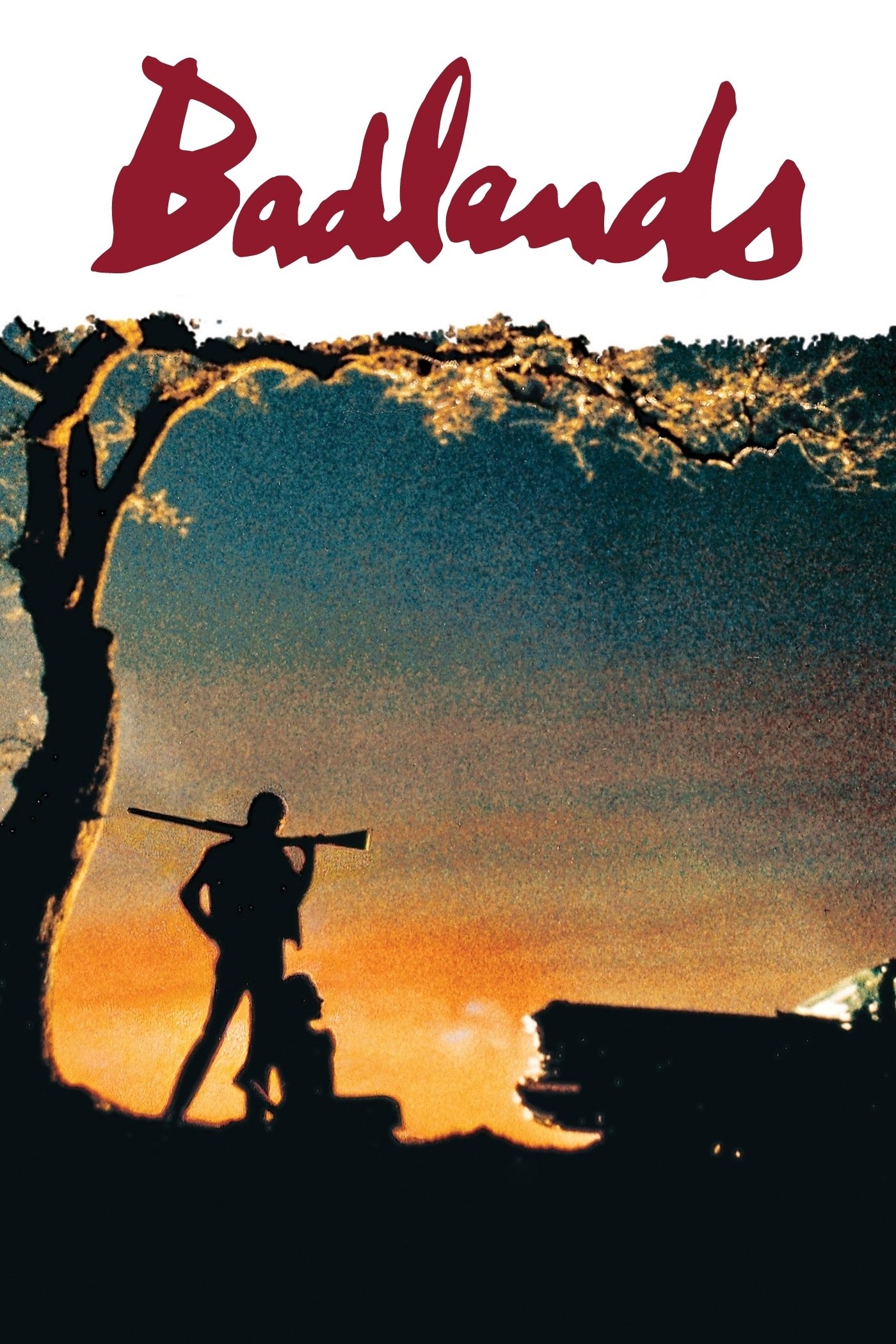
I find myself grappling with a certain sense of haunted nostalgia every time I return to “Badlands.” My introduction to Terrence Malick’s directorial debut was hardly ceremonial; it was a quiet evening, and I watched the film almost by accident, drawn in by its muted poster and the promise of Sissy Spacek’s narration. What keeps me returning, however, is not its infamy as a “lovers-on-the-run” movie, but the way it lingers like a half-remembered dream. I remember being unsettled by the calm detachment—how the violence unfolded in a world that looked so gentle, how the sky seemed too vast to ever close in, and how Malick made the mundane feel sacred and sinister all at once. “Badlands” doesn’t offer comfort or neat answers. Instead, it seduces me with its strange poetry and reminds me of the dangers lurking behind youthful innocence and starlit romance.
What the Film Is About
At its heart, “Badlands” traces an emotional journey shaped by desolation, longing, and the search for significance. The film follows Kit, a young man who seems to be impersonating James Dean, and Holly, a teenage girl adrift in the flatlands of South Dakota. They embark on a spree of violence that feels at once theatrical and oddly impersonal. Their odyssey spirals away from home and hope, into a dreamscape of open roads, abandoned plains, and riverside hideouts. I see this as less a story of crime and more a meditation on the magnetic pull of destructive freedom—how brutality can stealthily entwine itself with courtship, fantasy, and escape.
Malick’s film seems intent on exposing America’s twin obsessions with innocence and violence. Each time I watch Kit and Holly, I’m struck by their detachment—young lives shaped deeply by boredom and alienation, but also by a naive sense of destiny. In their story, I perceive a struggle not merely for survival but for meaning. Holly’s matter-of-fact voiceover—delivered with a hypnotic dispassion—serves as a chilling counterpoint to the sudden eruptions of violence. This emotional coldness, to me, is Malick’s way of questioning how we mythologize outcasts and turn ordinary heartbreak into legend.
Core Themes
There’s a deceptive simplicity in “Badlands” that belies its thematic complexity. At its core, the film interrogates romantic nihilism and the cost of freedom. Kit’s rebellion is both pathetic and profound: he wants to matter, to carve his name into the American mythos, even if only as a footnote. Holly, by contrast, floats through the carnage with a disconnected hope that their story might become a beautiful one, despite all evidence to the contrary. What I find utterly compelling is the way Malick uses their journey to unearth questions about authenticity, love, and the American landscape of longing.
In the context of 1973, these themes resonate with America’s own sense of disillusionment. The Vietnam War was still raw, Watergate dominated headlines, and national faith in ideals was depleted. I am struck by how the film’s existential drift echoes that broader crisis of identity. Today these themes remain sharply relevant—alienation, the seduction of violence, and the adolescent yearning to be extraordinary all persist. “Badlands” compels me to consider how mythologies of self-destruction endure, and why the fantasy of resetting one’s life—at any cost—remains so intoxicating.
Symbolism & Motifs
The beauty of “Badlands” lies partly in its quiet symbology. For example, the recurring motif of fire—Kit and Holly burn down her father’s house at the beginning, inaugurating their odyssey in flames. Yet this isn’t mere spectacle; it’s a purging, a futile attempt to sever the past. I see fire in the film as both cleansing and damning, a way for the couple to brand their mark upon the world, even as their futures turn to ash.
Another striking motif is the vast, empty landscapes that frame the couple’s journey. Malick’s camera lingers on the prairie grass waving in the wind, the endless skies, the sense of isolation that dwarfs his characters. Through my eyes, these images reinforce the film’s meditation on insignificance and the deceptive largeness of adolescent dreams. The landscape becomes a participant—almost a character—communicating the loneliness and aimlessness of Kit and Holly’s rebellion.
Animals repeatedly appear—rabbits, turtles, birds—often helpless and subject to Kit’s careless violence. To me, these creatures function as metaphors for Holly and Kit themselves: vulnerable, out of place, and ultimately powerless against the forces set in motion. The motif underlines the film’s preoccupation with innocence corrupted and the arbitrary violence of the natural world.
Key Scenes
The Ritual of Burning
The early scene in which Kit and Holly torch her father’s house is pivotal for my understanding of their emotional arc. This moment, staged with a twisted sense of ceremony, transforms an act of destruction into a bizarre kind of passage. I’m particularly affected by Holly’s detached narration as the flames rise: her own father’s belongings incinerated, her future erased in an instant. The house burning is more than a severing of ties—it’s a perverse form of rebirth, marking the start of their mythic flight.
Dancing in the Wilderness
One of the film’s few glimpses of joy comes when Kit and Holly, briefly at peace, dance beneath the canopy of their riverside hideout. The moment is both tender and surreal; the landscape is idyllic, but the viewer never forgets what came before and what will inevitably follow. For me, this scene hints at the possibility of transcendence—a fleeting illusion of domestic bliss—before reality’s harsh return. Here, Malick’s use of classical music and gentle camera movement dares me to empathize with these outcasts, even as I recoil from their actions.
The Final Surrender
Kit’s surrender to the authorities, after his last joyride through the badlands, strikes me as oddly triumphant. He distributes trinkets to the police, jokes with them, and basks in their reluctant admiration. It is a moment loaded with irony and critique: Kit’s desire for fame is at last fulfilled, but only as a banal kind of celebrity. What disturbs me is the ease with which he slides into his role as a folk antihero. This scene encapsulates the film’s commentary on America’s appetite for notoriety and our willingness to mythologize violence and those who perform it.
Common Interpretations
Many critics have read “Badlands” through the lens of alienation and disaffected youth culture, drawing parallels to the infamous Charles Starkweather murders that partly inspired the narrative. Some focus on the way Malick de-romanticizes crime, while others view it as an indictment of the American Dream gone awry. I agree that these interpretations are well-founded, but they tend to overlook the film’s spiritual ambiguity and its deliberate refusal to moralize. What I feel, watching Kit and Holly, is a deeper sense of existential bewilderment—an inability (or refusal) to connect to the world, people, or even themselves with any seriousness or gravity.
While critics rightly laud the film’s technical innovation and its poetic visual style, I find myself more disturbed by what Malick withholds. “Badlands” offers no catharsis, no clear lesson, just the lingering suggestion that innocence and monstrosity can exist within the same sun-drenched frame. It’s this refusal to explain away horror that marks Malick’s true achievement in my eyes.
Films with Similar Themes
- Bonnie and Clyde (1967): Both films dissect American outlaw mythology, pairing doomed young lovers with a carnivalesque approach to violence and celebrity.
- Natural Born Killers (1994): Like “Badlands,” this film exposes society’s fascination with killers and the transformation of real violence into spectacle.
- Gun Crazy (1950): This earlier crime drama explores the same collision of love, criminality, and fate—anxieties that “Badlands” reframes for a later generation.
- Days of Heaven (1978): Another Malick film, it shares the hypnotic lyricism, rural landscapes, and a focus on dreamlike American disillusionment that define “Badlands.”
Conclusion
For contemporary viewers, “Badlands” may require a recalibration of expectations—it moves slowly, allowing its dread and beauty to accumulate almost imperceptibly. But for those willing to dwell in its unsettled silences and ambiguous moral universe, the rewards are significant. By confronting the myths we build around violence and innocence, Malick invites us to question what—and who—we are willing to romanticize. Understanding these deeper currents enhances every frame, enriching not just my appreciation of this film, but also my suspicion of easy answers in cinema and life alike.
Related Reviews
If you found value in my perspective, you might also enjoy exploring my thoughts on other cinematic landmarks such as “Days of Heaven” and “Bonnie and Clyde.”
To broaden this interpretation, you may also explore how critics and audiences responded over time.
🎬 Check out today's best-selling movies on Amazon!
View Deals on Amazon