
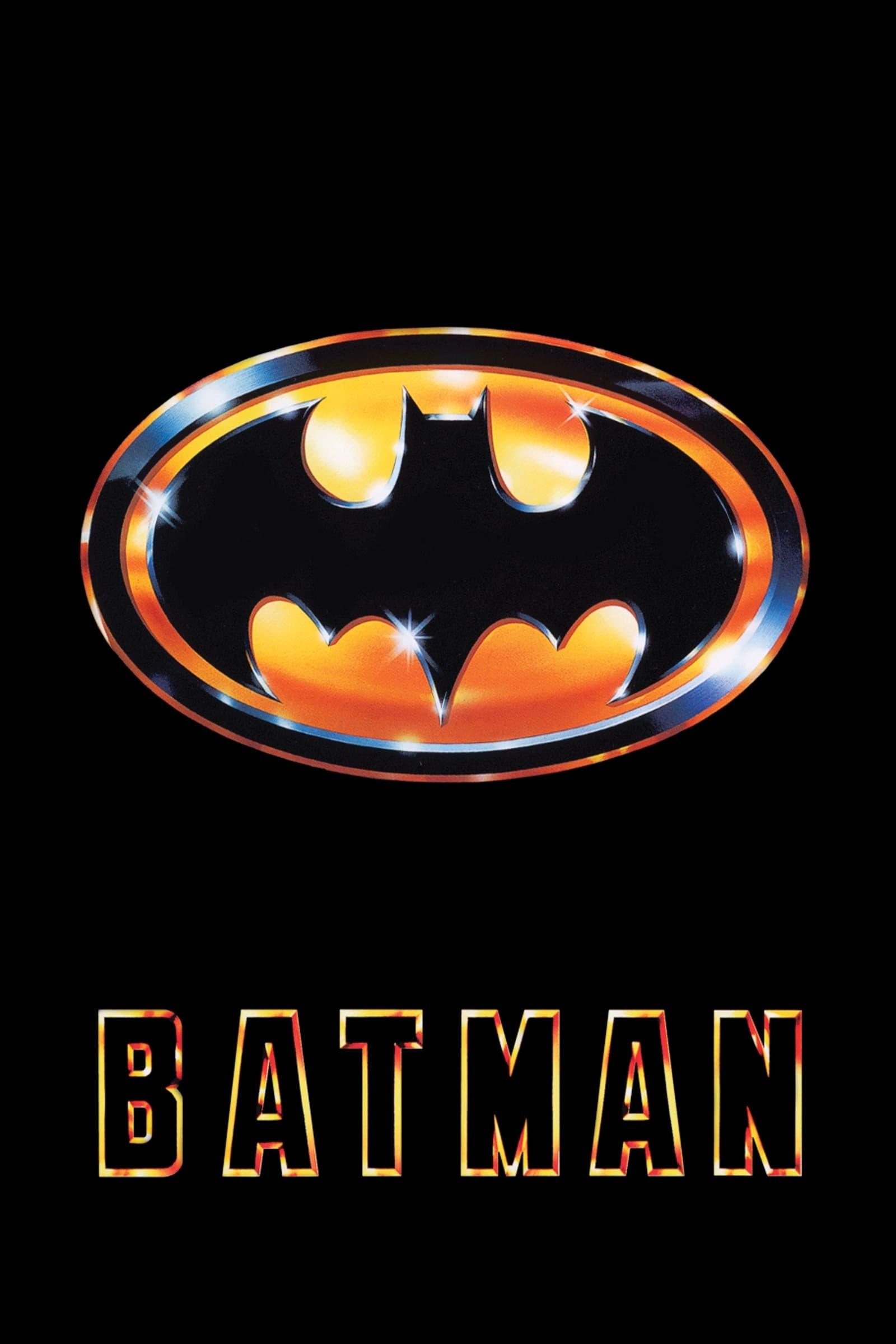
Gotham’s Shadows: My Journey into Tim Burton’s Nightmares
From the moment I first saw Michael Keaton’s Batman crouched atop a gothic gargoyle, I knew this wasn’t the Saturday morning cartoon hero I’d grown up with. Burton’s Gotham doesn’t just house crime—it is crime, brick by damp brick. Every frame drips with dread, not just because of what the Joker might do next, but because the city itself seems complicit. This version of Batman is a fever dream masquerading as a blockbuster—a place where trauma, repression, and twisted duality ooze from every shadow. I can’t shake the feeling that Burton saw Gotham less as a city needing a savior and more as a wounded psyche, desperate for catharsis but incapable of healing.
The Mask I Wear Each Day: Duality and Psychological Armor
It’s easy to shrug off Batman as a man in a cape, but in Burton’s hands, the costume transforms into something disturbingly relatable. Bruce Wayne’s entire existence is a balancing act on the edge of madness. His mask isn’t just a disguise from lawbreakers—it’s a defense against the chaos roiling within. I sense that this Batman is uncomfortable in his own skin, preferring the clarity of the mask to the ambiguity of being Bruce Wayne. In the mansion’s echoing halls, Bruce seems haunted by the memory of his parents’ murder, doomed to relive a primal wound that never closes. The bat suit, with its black rubber armor and blank eyes, is less about heroism and more about hiding—armor against loss, vulnerability, and the terrifying unpredictability of the world.
Jack Napier’s Smile: The Allure and Horror of Anarchy
I’ve always been struck by how Jack Nicholson’s Joker seduces with laughter before eviscerating with violence. The Joker is not simply a villain—he’s a walking embodiment of society’s suppressed insanity. What terrifies me most is not his crimes, but how easily he manipulates the city’s fears and desires, exposing the collective hunger for chaos beneath the surface. Burton frames the Joker not just as Batman’s opposite, but as his mirror—both scarred by violence, both seeking control through artifice. The Joker’s painted grin mocks the seriousness of Batman’s crusade, suggesting that all order is a joke waiting to collapse. His reign of terror is dazzling and grotesque, a technicolor dance macabre that reveals Gotham’s appetite for spectacle over substance.
Architecture of Fear: Gothic Expressionism as Subtext
Burton’s Gotham City is not simply a backdrop; it’s a breathing, rotting character. The city’s architecture is expressionist, with impossible angles and looming shadows that compress its inhabitants beneath their own anxieties. For me, the narrow alleys and towering cathedrals conjure the claustrophobia of a nightmare. This is a place where hope struggles to find sunlight, where every statue and iron gate seems to leer and judge. The city’s visual palette—a chiaroscuro of grays, blacks, and sickly neon—forces me to confront the idea that evil isn’t just in the people of Gotham, but woven into the infrastructure itself. Burton’s set design suggests that the city’s corruption predates even Batman, that this struggle may be eternal, cyclical—a Greek tragedy in latex.
Twisted Romance: Desire and Alienation in the Shadows
The love story between Bruce Wayne and Vicki Vale fascinates me because it’s never allowed to feel natural. This romance is always interrupted, cut short by duty, secrets, or the city’s violence. Watching them together, I sense a mutual longing for connection that’s constantly thwarted by the demands of their public and private selves. Bruce can never let Vicki past the walls he’s built, even as he desperately wants to. Their relationship mirrors the film’s wider thesis: that true intimacy is impossible in a world ruled by masks and trauma. When Bruce reveals his secret to Vicki, it’s less a confession of trust than a surrender to the inevitability of his own alienation.
Pop Art and Tragedy: The Visual Language of Escapism
I can’t help but be dazzled by Burton’s blend of comic-book pop art and operatic melodrama. The film swings wildly from slapstick violence to moments of anguished stillness. The Joker’s vandalism of art museums isn’t just wicked—it’s Burton’s sly commentary on the collision between high culture and lowbrow spectacle. The Joker demolishes masterpieces and spray-paints over them, grinning as he asserts that nothing is sacred in this world. In these moments, I recognize a deeper question about the value of meaning in a world obsessed with surfaces: if beauty and order are this fragile, can anything lasting be created? Burton seems to argue that the garish, the ridiculous, and the grotesque are as valid as the sublime, especially in a city that feasts on spectacle.
Gotham’s Laughter: Society’s Role in Creating Monsters
One of the most unsettling insights I draw from this film is that Gotham itself breeds its own nightmares. The citizens and leaders are not innocent bystanders—they’re complicit in the city’s descent. Whether it’s the mob’s stranglehold on business, the media’s thirst for sensation, or the apathetic police, every institution fails to protect or uplift. The city turns a blind eye to suffering until monsters like the Joker force them to stare. Even Batman, for all his efforts, becomes a myth for the desperate rather than a true agent of change. The cycle of violence continues because no one is willing to face the root causes; every solution is a mask over a festering wound. Burton’s Gotham is a warning about what happens when community dissolves and spectacle takes over.
That Final Shot: The Endless Vigil and the Cost of Justice
There’s a haunting melancholy in the film’s closing image: Batman standing sentinel above his broken city, illuminated by the Bat-Signal’s eerie glow. This is not a hero’s triumph, but a Sisyphean promise to fight darkness with darkness. I find myself questioning whether Batman’s presence offers hope or simply perpetuates the city’s cycle of violence. The Bat-Signal is both a beacon and a curse; it signals help, but also a never-ending need for vigilantes in a city that refuses to heal. Burton refuses to grant closure, choosing instead to leave the audience with an ache—a sense that justice, in Gotham, is always provisional, always incomplete. In this world, victory is just another mask, and the true face of heroism is weary and wounded.
Two Haunting Echoes: My Personal Picks for Kindred Classics
For those who, like me, are pulled toward films that intertwine darkness, fractured psyches, and the blurred line between hero and monster, these two films echo Batman (1989)’s moods and meditations:
- Metropolis – Lang’s dystopian city, with its oppressive architecture and desperate divides, is Burton’s Gotham’s spiritual ancestor.
- The Third Man – Reed’s Vienna, teeming with shadows and moral ambiguity, channels that same sense of urban doom and tragic anti-heroes.
If you’re curious about how this film was originally perceived or how it compares to similar works of its era, these resources may be helpful.
🎬 Check out today's best-selling movies on Amazon!
View Deals on Amazon