
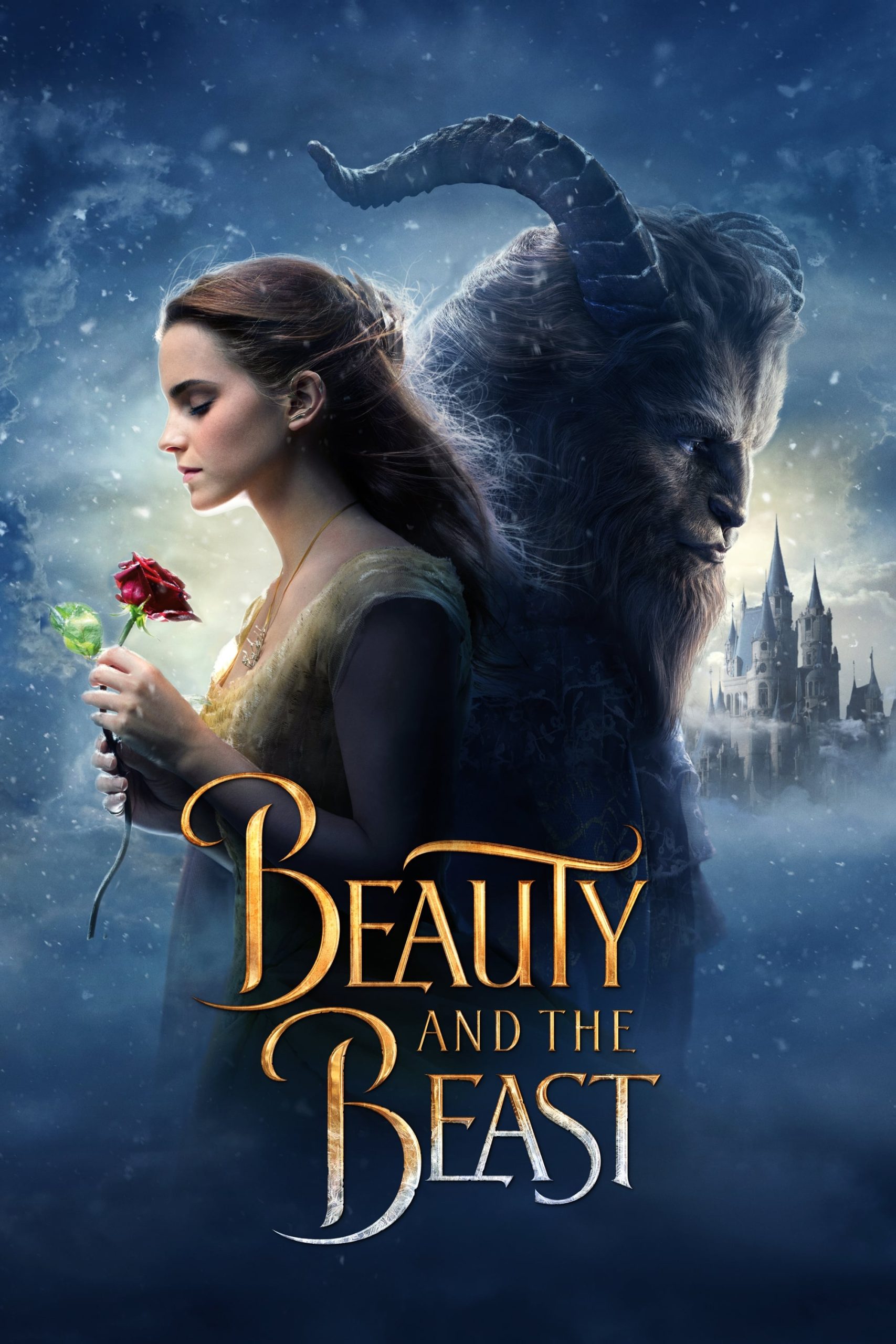
It’s hard for me to shake the memory of sitting spellbound in a dim theater, eyes wide, while the animated candelabra and teapot sang about welcoming the “strange” into warmth and belonging. Even as an adult—perhaps especially now—I find myself returning to Disney’s Beauty and the Beast from 1991, discovering shadows and intricacies that eluded me as a child. There’s something profoundly resonant in the way this film wraps its old-world fairytale exterior around questions of dignity, transformation, and the risks of opening one’s heart. For me, the enduring fascination comes not just from nostalgia, but from how the film, disguised in enchantment, asks us to reconsider the boundaries of monstrosity and beauty—both in others and within ourselves.
What the Film Is About
At its luminous heart, Beauty and the Beast charts a journey through alienation and longing—a woman, Belle, searching for meaning beyond the limits of her small-minded village, and a Beast, concealed behind fur and anguish, desperate for acceptance. What upends me still isn’t merely the romance, but the strange, trembling loneliness that hums beneath every musical flourish. Both Belle and the Beast are outsiders: she for her intellect and refusal to conform, he for a curse that’s both physical and existential. Together, they orbit each other’s pain, recognizing kindred bruises in the soul.
The central struggle, as I see it, isn’t only whether Belle and the Beast will fall in love, but whether they will risk vulnerability—daring to share their most damaged selves and trust that those wounds might be seen and loved anyway. The film dares to suggest that true transformation is a matter of empathy as much as magic. It invites us to believe—sometimes with aching optimism—that kindness can heal even the most deeply rooted isolation, and that monstrousness is often nothing more than the mask we wear to defend our hurt places. In this way, the film’s emotional journey extends far beyond its fairy tale roots, offering a model for grace in the face of difference.
Core Themes
Chief among the themes that shimmer through Beauty and the Beast are identity and the redemptive power of compassion. The film fundamentally interrogates how we judge—by appearances or reputation, by rumor or myth. I am most struck by its insistence that self-transformation is possible, but only through acts of mutual understanding. Belle’s strength is her refusal to be cowed by fear or cruelty, a stance that feels even more urgent in a world obsessed with the superficial.
Reflecting on the film now, its relevance is undimmed because its central dilemmas—fears of not belonging, the risk of vulnerability—are as present today as they were in 1991. In an era that valorized outward beauty and conformity, the film’s gentle subversion of these ideals made it a quietly radical offering. I find that its core belief in inner beauty and the healing power of connection carries emotional heft in a society that still often misunderstands difference and rewards surface over substance.
Ultimately, Beauty and the Beast is about the courage to see and be seen—to recognize not just what is good in ourselves, but also in those we are taught to fear or dismiss.
Symbolism & Motifs
Few animated films are as rich in visual metaphor as this one. Chief among its symbols is the enchanted rose—petals fading with time, a visible marker of the Beast’s mortality and a countdown for hope. For me, the rose becomes the very image of fragility and impermanence, a sighing reminder that our opportunities for love are always threatened by entropy; we must seize them before they wilt away.
The castle, too, is more than a haunted backdrop. Its cold, crumbling halls mirror the Beast’s emotional isolation, its animated objects embodying fragments of compassion longing to be whole again. The motif of the mirror, allowing Belle and the Beast to glimpse the world and each other’s truths, is especially fascinating. It literalizes the film’s preoccupation with self-perception and the yearning to be known, not just looked at.
Finally, the recurring motifs of light and shadow throughout the animation—the warm glow of the ballroom against the icy gloom of the castle’s forgotten wings—chart the arc from despair to hope, underlining the emotional stakes with painterly care. These motifs do not just decorate the story; they make its psychological journey tangible.
Key Scenes
The Encounter in the West Wing
There’s a haunting intimacy in the moment Belle stumbles into the forbidden West Wing. The camera lingers on the shredded portrait, suggesting the Beast’s own destroyed self-image. When he discovers her there, his rage isn’t just anger at trespass—it’s terror at being exposed. That scene, bristling with pain, sets the stage for their eventual trust. This is no simple fairy tale scolding; it’s the raw eruption of shame, and it strikes me as one of the film’s most truthful moments.
Be Our Guest: Hospitality as Transformation
“Be Our Guest” is often remembered for its kinetic animation and whip-smart choreography, but for me, its true significance lies in the castle staff’s desperate yearning to reclaim their humanity through service. It’s a musical number about more than food and spectacle—it’s a plea for connection. Belle’s delight is a balm to the castle’s aching loneliness. I always feel the bittersweetness behind the bravado: these characters are risking hope again after years of abandonment.
The Ballroom Dance: Vulnerability in Motion
The CGI-infused ballroom, swirling with gold and possibility, encapsulates the film’s promise of renewal. Writer Linda Woolverton and directors Trousdale and Wise give the Beast the shyness and awkwardness of someone newly awakening to hope. The moment they dance is less about romance than a wordless truce: two people, bruised and uncertain, daring to risk gentleness. This scene, radiant with possibility, is where the film’s emotional power peaks for me.
Common Interpretations
Traditional critical commentary often emphasizes the film as a lesson in looking beyond appearances or as a feminist fable because of Belle’s independence. These readings capture something true, but they sometimes reduce the narrative to tidy moralizing. I see the film as a much deeper meditation on alienation—the ache that comes from feeling unworthy or unseen. Where some stop at the empowerment of Belle, I’m fascinated by the vulnerability of the Beast, whose journey is about risking trust despite centuries of disappointment.
Some critics have argued that the film merely flips the script on fairy tale gender roles, but I find this underestimates its psychological sophistication. Beauty and the Beast depicts not just surface-level transformation, but mutual repair—each character saves the other from a unique form of loneliness. This feels to me more daring and emotionally honest than is often credited.
Films with Similar Themes
- Edward Scissorhands – Like Beast, Edward is an outsider whose frightening appearance belies a gentle soul, exploring the pain and beauty of difference.
- The Hunchback of Notre Dame (1996) – Another adaptation centered on compassion for the marginalized, it mines similar ideas of self-acceptance and empathy.
- Shrek – This animated film subverts fairy tale expectations, blending comedy and pathos to interrogate how love survives in the face of prejudice.
- The Shape of Water – Guillermo del Toro’s adult fairy tale spins love and monstrosity into metaphors about acceptance and the costs of intolerance.
The Timeless Spell: Closing Thoughts
For today’s viewer, Beauty and the Beast remains a work of dazzling emotional clarity and daring compassion. Approaching it now, I’m less drawn to its ornate animation than to its vulnerable heart—the sense that transformation is possible if we allow ourselves to be seen, in pain as well as in hope. Taking the film’s message seriously invites us to risk kindness and understanding, even—and especially—when it’s hardest. To see this story not just as a tale of romance, but as a blueprint for healing our own and others’ woundedness, adds real value to its magic.
Related Reviews
If you found value in my perspective, you might also enjoy exploring my thoughts on other cinematic landmarks such as Edward Scissorhands and The Hunchback of Notre Dame.
To broaden this interpretation, you may also explore how critics and audiences responded over time.
🎬 Check out today's best-selling movies on Amazon!
View Deals on Amazon