
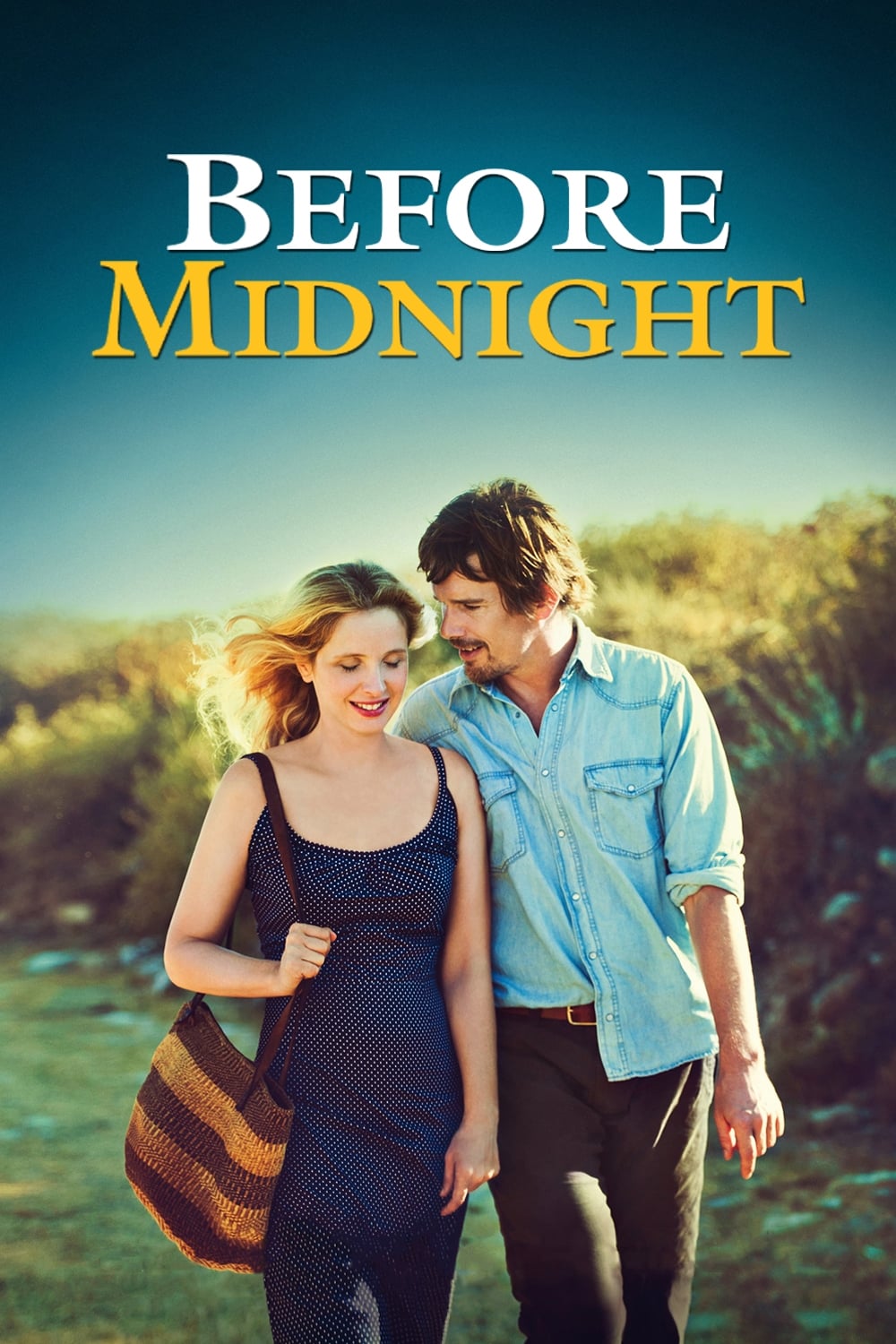
There are films that linger with me for days or years; they prod memories or incite arguments with my own sense of what love should look like. “Before Midnight” isn’t just a film I admire—it’s one I return to during moments of quiet unrest, when relationship myths shutter under the weight of lived experience. I remember watching it for the first time, a glass of wine in hand, half-dreading its honesty about intimacy and maturity. It was less a viewing, more an uneasy conversation I couldn’t walk out of, yet didn’t want to end. The film’s unwillingness to romanticize lasting love, its insistence on wrestling with discomfort, compels me still.
What the Film Is About
Where its predecessors fixated on the dizzying intoxication of new love, “Before Midnight” excavates what follows—the layered, messier space of shared history and bruised ego. This is a movie about two people, Jesse and Celine, contending not only with the passage of time but with the endless negotiation that is commitment. Holidays, children, and everyday disappointments congeal into a reality that feels both intimate and universal. As I watch them circle each other—sometimes with humor, often with frustration—I sense the film asking if love can survive its own disillusionments.
The film’s central conflict is deceptively quiet—it’s not about infidelity or betrayal, but about resentment, compromise, and the ache of dreams deferred. Conversation, not plot, is the crucible, and the emotional stakes feel all the higher for it. What I see in their dialogues—and arguments—is a refusal to provide easy answers. Instead, “Before Midnight” invites us to witness the contradiction of genuine love: that closeness can breed both tenderness and suffocation. The film doesn’t let me hide from the idea that sometimes, loving someone means seeing them change, and, hardest of all, allowing myself to change alongside them.
Core Themes
If I had to distill the essence of “Before Midnight,” it would center on the difficulty—and necessity—of honest communication. The film aches with the knowledge that no relationship is safe from entropy, that passion must find new languages or risk withering beneath the pressures of growth, responsibility, and regret. To me, it’s a story about identity within partnership; Jesse and Celine are not the starry-eyed youths of “Before Sunrise,” but adults who must decide daily what it means to stay.
This theme became profoundly relevant to me during its 2013 release, a time when cultural conversations about marriage, gender roles, and the sacrifices demanded by modern life felt especially urgent. Today, these questions only deepen: how do partners adjust their ambitions—or refuse to—for love? In exposing the unromantic truths of enduring bonds, the film rejects the sanitized, conflict-free love stories that dominated so much of the industry. It forces me to examine my own convictions about sacrifice and self-preservation, the porous border between relational growth and personal stagnation.
Symbolism & Motifs
The most enduring motif is the interplay of travel and stasis. Greece, with its sun-bleached ruins and whose timeworn beauty is ever-present, becomes more than a backdrop—it’s a meditation on the ways people revisit, and sometimes become trapped by, the past. The long walks, recurring throughout the trilogy, here acquire a weightier urgency: they are attempts to move forward, even as the couple retraces old arguments.
Another symbol that strikes me is the motif of windows and thresholds. The deliberate framing of Jesse and Celine in doorways, cars, and hotel rooms suggests transition—literal and figurative boundaries. The windows offer glimpses outward, but also confine; their debates, often staged in these liminal spaces, echo that sense of being perpetually halfway between destinations, emotionally and physically. The dinner table scenes, too, serve as rituals—arenas where intimacy is both constructed and tested. What resonates is not the setting’s beauty but its ordinariness, as if suggesting romance is forged—or eroded—in the mundane.
Key Scenes
The Dinner in the Old House
I gravitate toward the spirited dinner with friends—a rare ensemble moment that expands the film’s perspective beyond Jesse and Celine. Here, different generations and philosophies collide, and each voice articulates a different theory about love’s endurance. For me, this scene is crucial because it temporarily relieves the claustrophobia of the central relationship, only to circle back to it with added gravity; it’s here I recognize how external influences—society, history, gender norms—shape even the most private bonds.
Car Ride into Dusk
The car journey, ostensibly routine, devolves into an increasingly fraught exchange that strips away polite pretense. Here the film’s commitment to realism hits hardest. I watch as past slights surface, old wounds re-opened simply by virtue of proximity. Their children sleep in the backseat—a powerful reminder of shared responsibility, the stakes that make patience both a virtue and a burden. The unedited, suffocating realism of this scene is, for me, what elevates the film beyond melodrama to lived experience.
The Hotel Room Argument
Arguably, the film’s core is the marathon hotel room confrontation. This is Ruthless Honesty in miniature: no gestures, no interruptions, just the rawness of two lovers questioning, defending, and wounding each other. For me, the brilliance lies in its refusal to pit either side as “right”—instead, every accusation is met with a counterweight. Their vulnerability in this space is both devastating and hopeful, stripping away performance until only weary affection remains. It’s a scene not just watched, but endured, and in surviving it, I feel as though I, too, have glimpsed something about the cost of enduring love.
Common Interpretations
Critics typically hail “Before Midnight” as a realistic, unvarnished portrait of long-term relationships. Many see it as the necessary, even inevitable, conclusion to the trilogy’s arc—from possibility, to idealism, to reality. Some read it as a cautionary tale about romance dashed by time and obligation, and praise its refusal of tidy comfort. Others focus on the film’s conversational structure, seeing it as a masterclass in scriptwriting and naturalistic performance.
While I share respect for these assessments, my own reading is less cynical. I don’t see the film as a requiem for love, but rather as a declaration of its persistence. The struggle, the repetition, even the bitterness, become (to me) proofs against the fantasy of effortless connection. I find hope, not resignation, in the film’s final lines—an invitation to continue, not in spite of the hardships, but because of them. The critics are not wrong about the film’s brutal honesty, but they sometimes eclipse its final, tentative optimism. To my mind, “Before Midnight” isn’t about love’s failure, but its willingness to face its own imperfection.
Films with Similar Themes
- Scenes from a Marriage (1973) – This Ingmar Bergman opus dissects the collapse and aftermath of a marriage over years, exploring the endurance and frailty of intimate bonds in a deeply analytical, raw manner reminiscent of “Before Midnight.”
- Blue Valentine (2010) – Derek Cianfrance’s film explores the anatomy of a love affair from its beautiful inception to painful dissolution, echoing the cyclical nature of affection and heartbreak found in Linklater’s work.
- Two for the Road (1967) – Stanley Donen’s chronicle of a couple’s evolving relationship across years and travels employs nonlinear storytelling and blunt emotionality, much like the “Before” trilogy.
- Annie Hall (1977) – Woody Allen’s classic intertwines romance and neurosis, dissecting how expectations and reality collide in relationships, and why those collisions persistently matter.
Conclusion
“Before Midnight” rewards those willing to meet it on its own terms: as a portrait not just of love’s joys but of its compromises and negotiations. Modern viewers, especially those fatigued by formulaic romance, may find value in its unflinching lens. There’s a comfort—if not a balm—in seeing onscreen that love, to endure, must be rebuilt, redefined, and renegotiated in perpetuity. For me, approaching the film with honest expectation—without demanding resolution—unlocks an understanding far richer than a happy ending.
Related Reviews
If you found value in my perspective, you might also enjoy exploring my thoughts on other cinematic landmarks such as Scenes from a Marriage and Blue Valentine.
To broaden this interpretation, you may also explore how critics and audiences responded over time.
🎬 Check out today's best-selling movies on Amazon!
View Deals on Amazon