
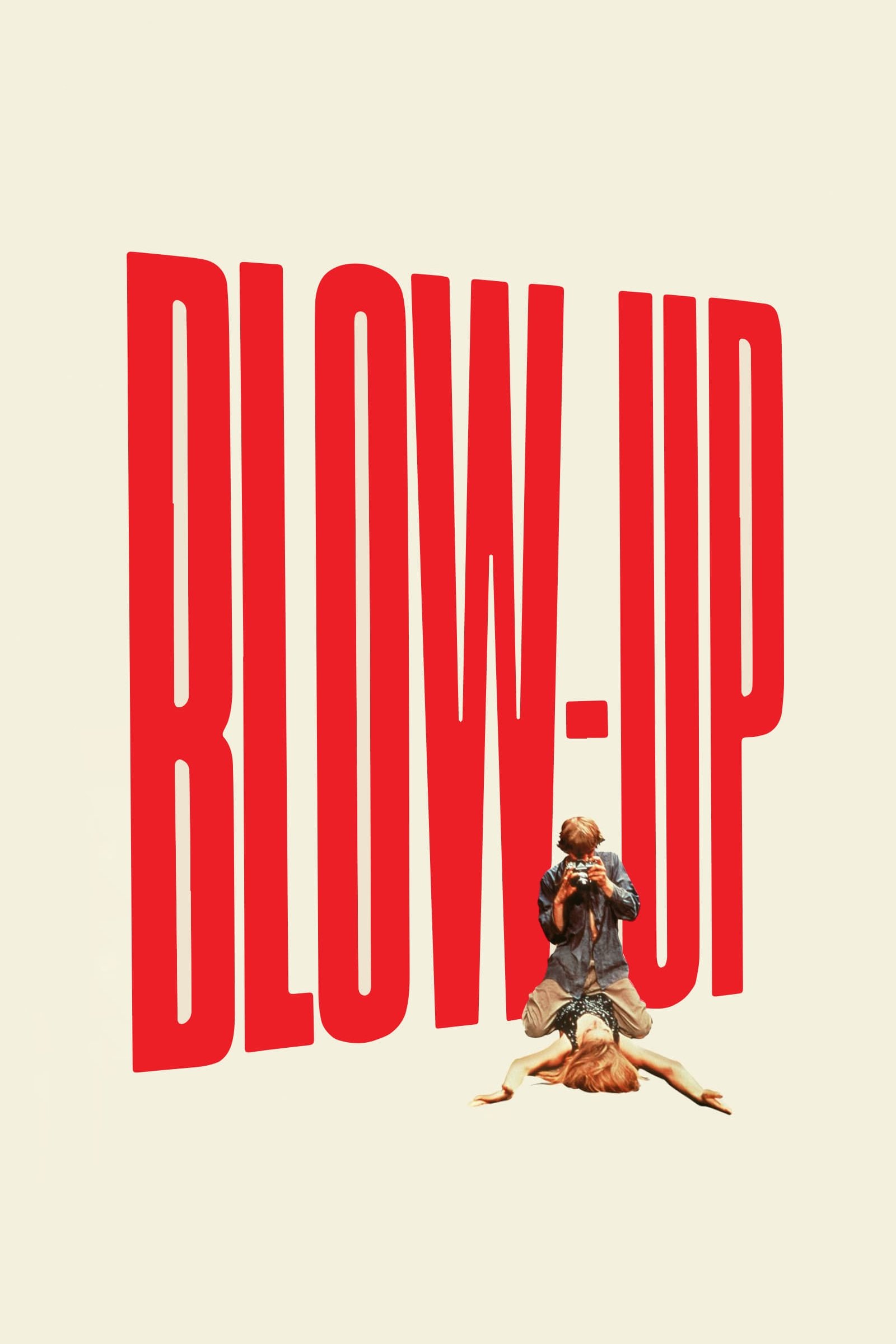
Stumbling Into the Unseen: My First Encounter with “Blow-Up”
Something about wandering through Antonioni’s “Blow-Up” for the very first time left me with a kind of shimmering uncertainty, a sensation not unlike the one felt after waking from a dream I can’t quite grasp. I remember sitting in the half-light, aware that what I’d just seen wasn’t just a mystery film, or a stylish artifact of Swinging London, but a meditation on what it means to observe—and to be forever at a distance from real meaning. That hovering tension between what’s perceived and what’s real, what’s captured and what’s missed, seeps into every frame of this film. It’s not just a story—it’s an existential labyrinth, and I’ve never stopped thinking about the strange ways it asks me to see.
Photography as a Mirage—And a Trap
What strikes me most about “Blow-Up” is how the camera itself becomes both a weapon and a blindfold. Thomas, our photographer protagonist, wields his lens with restless energy, chasing images through parks, alleys, and studios. But there’s nothing celebratory about this gaze. Every time Thomas snaps a photo, I sense the persistent suggestion that capturing something—even a moment of supposed truth—means losing another. The photograph, in Antonioni’s hands, is less a window than a mirror: it reflects only what we’re already prepared to see. Each blow-up, each enlargement, doesn’t bring clarity, but a deeper, more vertiginous confusion. There’s something perilous here about believing that technology or artistry can render the real world simple or visible, and I can’t help but see “Blow-Up” as a warning against that arrogance.
The Distance Between Intention and Reality
Watching Thomas drift through parties, photo shoots, and fleeting liaisons, I’m reminded how much of “Blow-Up” is about missed connections—between people, between events and their interpretations, even between desires and outcomes. The film’s emotional core lies in the perpetual gap between what we wish to understand and what remains elusive, no matter how much we scrutinize or yearn. When Thomas enlarges his fateful photographs, the grainy shapes reveal less and less, as if the world were actively resisting definition. That tension animates every relationship he touches: moments of apparent intimacy collapse into staged performance, and attempts at communication dissolve into silence or sexual gamesmanship. I find myself aching for a sense of resolution, but Antonioni refuses to supply one. The ambiguity feels radical, even subversive. He suggests that meaning, like truth, is a moving target—maybe even an illusion.
London in the Sixties: Playground or Prison?
There’s an unmistakable mood to the London of “Blow-Up,” and I always feel it pressing down on me—a city in the throes of cultural revolution, yet somehow suffused with a chill of alienation. The swing of Carnaby Street, the flash of bold colors in the fashion studios, the sense of everything being new and possible: all of this, Antonioni frames with an almost clinical detachment. What should be a vibrant celebration of youth and creativity becomes, in his hands, a landscape of isolation, where connection and meaning seem always out of reach. The pop culture trappings never quite conceal the emptiness within. I’m struck by how the film exposes the underside of the decade’s supposed liberation, showing how “freedom” can curdle into restlessness, existential boredom, and even despair. For Thomas—and perhaps for all of us—the city is both a playground and a prison, dazzling but hollow.
Silence as a Language of Its Own
I’m always drawn to the way Antonioni uses silence—not as an absence, but as a presence. In “Blow-Up,” conversations trail off into wordless stares, partygoers drift into vacant poses, and even the supposed “climax” of the film—a murder, caught (or not) on camera—unfolds in a kind of ethereal hush. This silence feels loaded, almost oppressive, as if the film is daring me to listen for something just out of earshot. When Thomas tries to share his discovery with others, he’s met with indifference, disbelief, or blank incomprehension. There is no cathartic confession, no grand reveal. The film’s refusal to fill the silence with explanations or closure is what haunts me. Antonioni trusts his audience to sit with uncertainty, to acknowledge the limits of both language and perception.
Artifice, Performance, and the Search for Something Real
Throughout “Blow-Up,” I’m struck by how every interaction seems rehearsed, every encounter a kind of performance. From the stylized fashion shoots to the awkward seductions, nothing ever feels entirely genuine. Antonioni seems to argue that modern life—especially one mediated by images and spectacle—transforms even the most intimate moments into surface gestures. Thomas, in particular, is a man adrift in a sea of artifice, desperate for something authentic but unsure where to locate it. The recurring motif of doubles and reflections—mirrors, windows, photographs—deepens this sense of unreality. There’s a yearning here, a longing for substance beneath the surfaces, but the film offers no easy answer. In “Blow-Up,” the real is always deferred, always just out of reach.
The Final Game: Meaning Disappearing in the Grass
I can never shake the memory of that final, enigmatic moment—those mimes on the tennis court, playing an imaginary game, as Thomas watches and then, almost imperceptibly, joins in. That sequence feels like the film’s philosophical anchor, a moment where Antonioni lays bare his central preoccupation. The line between reality and illusion collapses, and the protagonist—like the viewer—must decide whether to play along or walk away. I’ve always read this as a kind of surrender, a tacit acknowledgment that our frameworks for understanding the world are as arbitrary and fragile as a pantomimed tennis match. Meaning is conjured, believed in, and then, perhaps, vanishes into the grass. Antonioni doesn’t mourn this ambiguity—he invites us to dwell in it, to recognize both the power and the limitations of art, perception, and our own restless seeking.
Two Films That Echo Antonioni’s Shadows
For those who find themselves as haunted by “Blow-Up” as I am, I always suggest seeking out “The Conversation” (1974) for its similarly obsessive meditation on surveillance, perception, and the impossibility of certainty. Or try “Last Year at Marienbad” (1961), a film that shares Antonioni’s fascination with ambiguity, memory, and the slipperiness of truth.
If you’re curious about how this film was originally perceived or how it compares to similar works of its era, these resources may be helpful.
🎬 Check out today's best-selling movies on Amazon!
View Deals on Amazon