
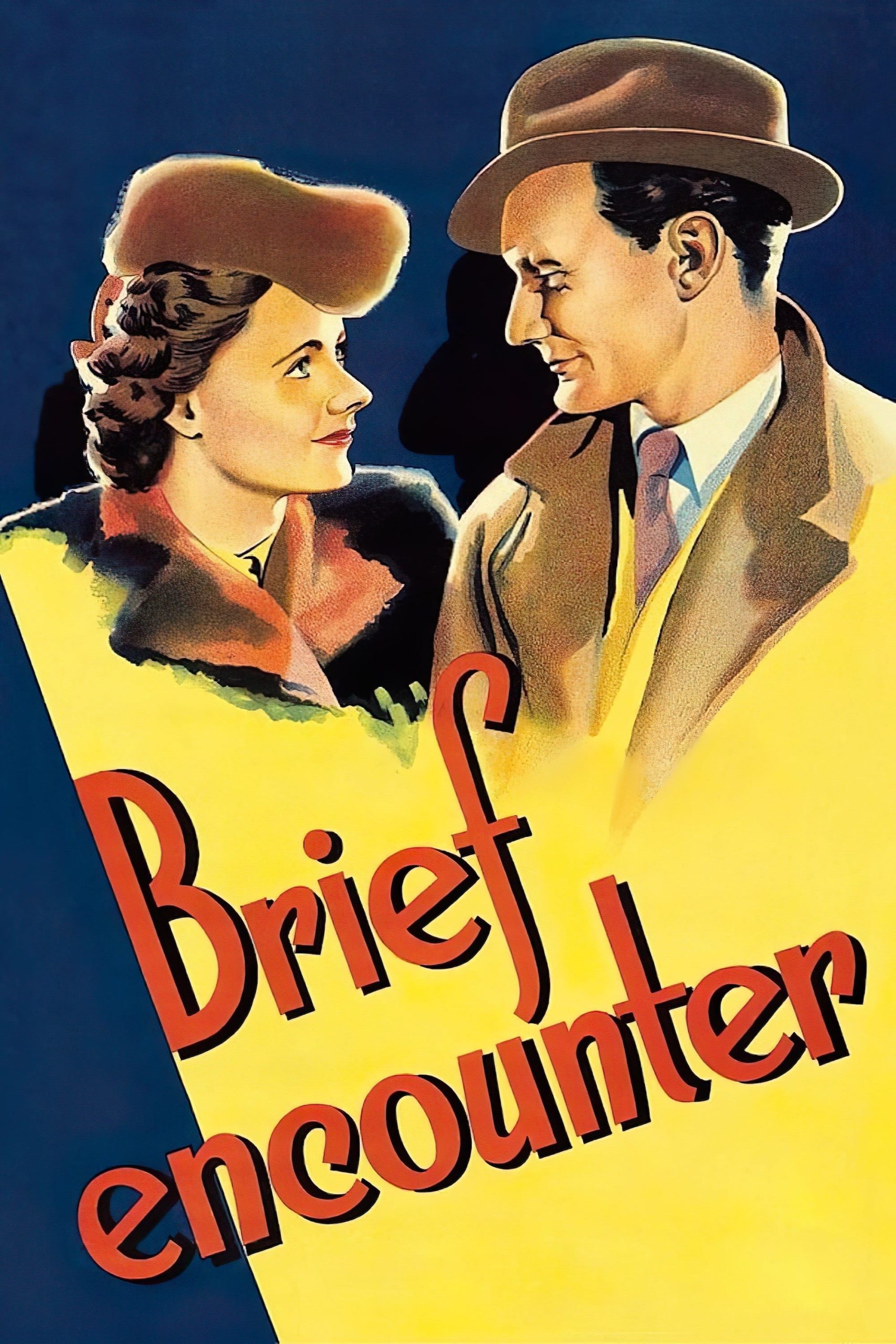
Watching “Brief Encounter” for the first time, I found myself unexpectedly transfixed—not so much by the lure of forbidden romance, but by the delicate, aching silences between words. There’s a certain memory I hold of sitting alone on a train platform late one evening; the melancholy hush, the sense that any fleeting connection there would be irrevocably temporary. It was precisely that haunted loneliness, framed by routine and duty, that anchored my fascination with David Lean’s 1945 masterpiece. The film doesn’t rely on grand gestures or swelling scores to announce passion—instead, it thrums with the tiny, stifled tremors of desire never fully spoken aloud. Every viewing leaves me more convinced that its artistry lies not in what is said, but in what is left behind.
The Emotional Undercurrent of “Brief Encounter”
At its core, “Brief Encounter” unspools the story of Laura Jesson, a middle-class housewife tethered to a life of modest routine, and her unexpected emotional entanglement with Dr. Alec Harvey, a kind physician she meets at a railway station. What unravels is a portrait of yearning so profound, it aches precisely because it is left unresolved and unfulfilled. The central conflict is both internal and external: an illicit, yet deeply human, longing for something outside the lines of propriety, coupled with the inexorable pull of loyalty—both to spouse and social expectation.
In my eyes, the film is about more than just romance. It is a meditation on repression—on the boundaries that define not only relationships, but our very sense of self within the world. Laura and Alec’s fleeting encounters place them in a liminal space, temporarily freed from the gravity of their ordinary existences, only to have reality conspire against them each time they dare to imagine another life. Lean paints with shadows, steam, and the clatter of departing trains, using the confined, transient spaces to reflect both the possibilities and limitations of the heart.
The experience is emotionally intricate: watching Laura narrate her story in a confessional conversation with her oblivious husband lends every glance and hesitation double meaning. Through her recollections, the film sifts through the guilt, joy, and sorrow of brief, impossible happiness, rendering the ordinary miraculous—until we must return, like her, to the steady comforts and subtle chains of home.
Reflections on Universal Longing: The Themes
What gives “Brief Encounter” its lasting power is its exploration of duty versus desire. The dilemma Laura faces is not melodramatic, but devastatingly relatable—even now. The film emerged in postwar Britain, when propriety was paramount and emotional reticence a cultural ideal. The struggle between personal fulfillment and societal responsibility pulses through the narrative, inviting viewers to interrogate their own boundaries and compromises. In my view, Lean and writer Noël Coward (adapting his play “Still Life”) were interrogating postwar British identity itself, questioning what it means to sacrifice as an individual for the comfort or stability of the group.
Interestingly, I’ve always felt the film tackles themes of invisibility and isolation. Laura isn’t just repressed by circumstance—she’s rendered invisible by her roles: wife, mother, friend. Alec is similarly submerged in his daily grind. For me, this speaks directly to contemporary anxieties: the way everyday life, routine, and expectation can conspire to diminish our sense of self, making the possibility of an unexpected, soulful connection both alluring and terrifying.
The quiet heroism in Laura’s final decision—to return to her life, to deny herself and Alec a future together—matters just as much now as then. Sacrifice and self-restraint may no longer be the cinematic rage, but the pain of unexpressed longing, and the courage to live with it rather than act upon it, remains acutely relevant.
Icons and Echoes: Visual Symbols and Recurring Motifs
Some films wrap their meaning in dazzling spectacle; “Brief Encounter,” by contrast, buries its riches in the details. Every time I return to it, I’m newly struck by the motif of the railway station: a place of arrivals and departures, imbued with the romance of possibility and the certainty of parting. The recurring stopwatch and station clock are no mere props; they become harsh reminders that time is not theirs to command, always running out, always urging them to part.
Another powerful symbol is the ever-present steam from passing trains. Cloaking scenes in vaporous haze, steam both conceals and reveals, visually echoing Laura’s confusion and emotional turmoil. I’ve always found this motif reinforces the idea that their brief happiness is transient by nature, destined to dissipate.
Finally, Rachmaninoff’s Piano Concerto No. 2 works not only as a musical cue, but as an emotional signpost. Its surging crescendos and melancholic phrases articulate what words cannot, bridging the space between longing and restraint. The music, for me, is Laura’s inner voice—frantic, soaring, doomed. Every element, from lighting to arrangement, seems to whisper how love might be beautiful, precisely because it cannot last.
Moments Etched in Memory: Three Pivotal Scenes
The Railway Tearoom: Where Everything Begins
Whenever I reflect on “Brief Encounter,” my mind returns to the quiet ordinariness of Laura and Alec’s first meeting in the bustling tearoom. There is nothing overtly cinematic here—just two strangers brought together by circumstance and civility. This scene’s power lies in its subtlety: the brief exchange, the faint flicker of recognition that something has shifted, the way ordinary politeness becomes the seed of extraordinary feeling. The camera lingers on hands, on half-turned faces, and suddenly the world has changed. For me, it’s a meditation on how profound experiences often emerge unnoticed, transformed by context only in hindsight.
The Confession on the Platform: Love in the Shadows
Against the distant thunder of trains, Laura confesses her feelings to Alec, knowing this will likely be their last truly honest moment together. Lean turns the platform into a stage for raw vulnerability, using darkness, fleeting glances, and abrupt movement to accentuate emotional chaos. This sequence crystallizes the film’s central tension: expression vs. concealment. I’m always haunted by the way love erupts here—only to be swallowed again by duty, fear, and the relentless passing of time.
The Final Goodbye: Interrupted by Banality
As Laura’s friend Dolly enters, chattering obliviously, Laura and Alec’s farewell is snatched away mid-sentence. The interruption of their private agony by mundane, everyday concern is among the most devastating moments in all of cinema. Here, Lean demonstrates that tragedy need not be loud; sometimes, the loss is sharpest in what’s cut short. Watching Laura’s silent suffering superseded by the trivialities of conversation, I am vividly reminded that life often intrudes on passion in the least poetic ways.
Assessing Conventional Wisdom: Critical Takes vs. My Own
Many critics have described “Brief Encounter” as the ultimate template for cinematic restraint, a paradigm of British emotional understatement. It’s frequently cited as an exemplar of repressed passion, its greatness supposedly lying in what’s implied rather than articulated. While I appreciate this common assessment, I find it risks flattening the film’s emotional spectrum. To me, it is not simply about repression, but about the nobility and agony of everyday heroism—choosing not to act on forbidden yearning, acknowledging that the most difficult sacrifices are made in private.
Others see the film as a parable about social entrapment, with Laura and Alec as victims of a stifling era. While there is truth in this, my own interpretation places the emphasis on agency: Laura’s eventual decision not to run away is as much a reflection of quiet strength as societal control. She is not entirely powerless; her choice reclaims a sense of integrity, however bittersweet that might be. My reading finds grace here, not just tragedy.
Kindred Spirits: Films in Conversation with “Brief Encounter”
- In the Mood for Love (2000): Like Lean’s film, Wong Kar-wai’s modern classic delves into the unconsummated affair—duty and desire locked in exquisite, stilted choreography, with longing expressed in whispers and glances.
- The Remains of the Day (1993): Themes of self-sacrifice, unspoken affection, and the costs of emotional repression echo strongly in this tale of two people unable to cross the boundaries set by duty and class.
- Lost in Translation (2003): Here again, transient intimacy and emotional connection within limited, borrowed time mirror Laura and Alec’s situation—connection that is, by nature, impermanent, and all the more precious.
- Before Sunrise (1995): While lighter in tone, Linklater’s film shares that motif of brief encounters and the wistfulness of what might have been, with two strangers whose connection is destined to be fleeting.
Finding Resonance Now: Why “Brief Encounter” Still Matters
Approaching “Brief Encounter” today requires an openness to its stillness, its gentle tempo, and the gravity of small gestures. The film’s contemplative sadness offers a balm for those caught in the churn of modern distraction, providing space to reflect on the moments and choices that define us. Understanding Lean’s subtle orchestration of longing and restraint enriches not only our experience of this film, but our sensitivity to the unspoken dramas embedded in everyday life. The questions it raises—about connection, duty, and the nature of happiness—are as alive now as they were in wartime Britain.
Related Reviews
If you found value in my perspective, you might also enjoy exploring my thoughts on other cinematic landmarks such as Brief Encounter and The Remains of the Day.
To broaden this interpretation, you may also explore how critics and audiences responded over time.
🎬 Check out today's best-selling movies on Amazon!
View Deals on Amazon