
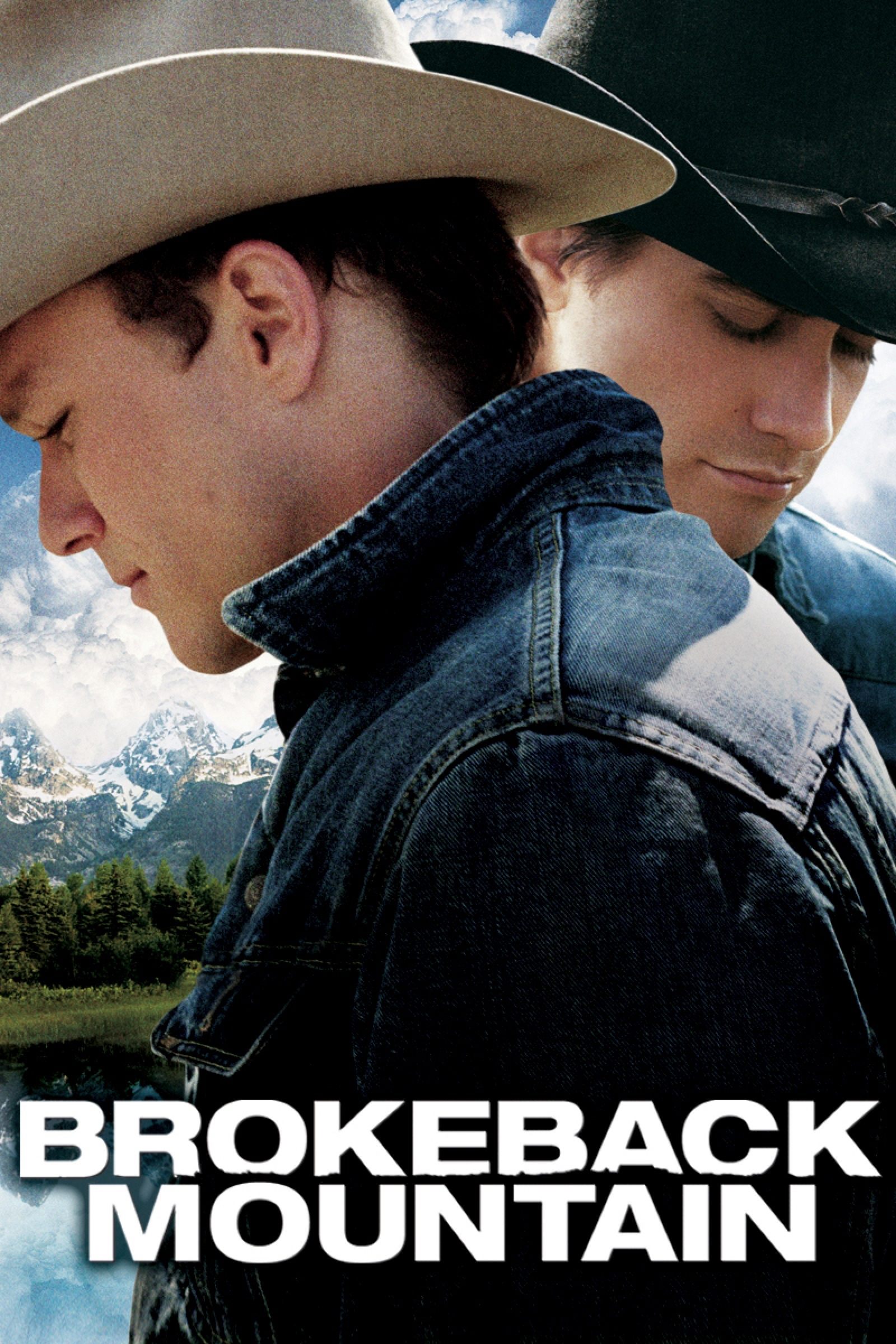
There are a handful of films whose emotional pulse seems to echo in the silence after they finish. For me, “Brokeback Mountain” is one of those rare stories that doesn’t fade into memory but lingers, hauntingly alive. The first time I watched it, I was on a road trip through Wyoming—the same sweeping landscapes that become their own, silent character in the film. That experience colored everything: the scent of sagebrush, the chill in the evening air, and this persistent ache that seemed inseparable from the fate of Ennis and Jack. I sometimes wonder if I’d see the story another way had I first watched it on a cramped couch in the city. Probably, but the way the film rendered yearning and repression felt as vast—and as lonely—as the mountains themselves.
What the Film Is About
“Brokeback Mountain,” directed by Ang Lee, is less about forbidden love in the American West and more about the enduring cost of denying that love. At its heart lies the soul-deep connection between Ennis Del Mar and Jack Twist, two ranch hands whose relationship unfolds as both a refuge and a battleground for their truest selves. The emotional journey here isn’t simply about romance—it’s about loss, tradition, and the yawning chasm between who we are and what we’re allowed to become. I return to this film repeatedly, each viewing undoing another knot of defensiveness inside me, as the tragedy comes not from heroic sacrifice but from unrelenting absence.
In examining the central conflict, I find myself drawn to the way societal expectation is as much a character as Ennis or Jack. On Brokeback, they are allowed—however briefly—to exist unjudged, but everywhere else, the world’s gaze polices their every gesture and word. The film’s power is built on these silences: words unsaid, emotions disguised as violence, decades defined by slips of paper and brief, heated encounters. It is about the impossibility of living in truth, and the unbearable cost that accrues with every concession to normalcy. More than any plot twist, this slow erosion of potential is the film’s most devastating commentary.
Core Themes
Few films deal as bravely with the twin weights of repression and longing. “Brokeback Mountain” was released in 2005, but its subject—deep, unspoken desire strangled by the fear of societal reprisal—still resonates. The setting may be the rural American West, but Ennis and Jack’s struggle remains heartbreakingly universal: the fear that to live authentically is to lose everything familiar. There’s courage, yes, but mostly a kind of incremental defeat. The theme of identity—how it’s shaped, stifled, and (in moments) reclaimed—sits at the film’s core. Their love isn’t just thwarted by external pressures but sabotaged by what those pressures teach them about themselves.
The relevance of these themes strikes me most forcefully when contrasted with the changes in societal acceptance since 2005. Back then, the film’s mainstream success felt monumental—a coded conversation thrust into the open. Today, it’s tempting to see it as a period piece, but the wounds it explores are far from healed. The film asks whether brief moments of freedom—no matter how fleeting—are enough to justify a lifetime of secrecy. This question, I think, remains as urgent now as it did when the film premiered.
Symbolism & Motifs
Few directors are as adept at imbuing landscape with psychological weight as Ang Lee. In “Brokeback Mountain,” the eponymous mountain becomes a stand-in for untamed desire—an isolated world free from judgment, beyond the reach of family, law, or tradition. I have never seen a patch of ground so charged with meaning. In my view, every frame atop Brokeback thrums with the tension between wildness and domestication, freedom and constraint. When the scenery shifts back to town, the sense of suffocation is visceral, as if the sky itself is pressing down on the characters’ shoulders.
Motifs of worn shirts, secret postcards, and rough country roads serve as material echoes of what has been lost and what could have been. The shirts, in particular—hidden, intertwined, and blood-stained—feel like a desperate attempt to hold onto a world that exists only in memory. For me, these details are the film’s emotional ballast. They linger long after the dialogue ends, articulating in physical form what the characters cannot say aloud. It’s in these resonant objects—mundane, battered, secretly precious—that the film’s tragedy is most clear.
Key Scenes
The Night by the Fire
The first night spent together on Brokeback is, for me, one of the most honest and disarming depictions of vulnerability in contemporary American film. It’s clumsy, fierce, and almost wordless, the kind of encounter neither man is prepared to process. The camera lingers not to sensationalize but to honor the confusion and urgency of discovery. Watching this scene, I’m always struck by how powerfully the film communicates fear and longing not through dialogue, but through the trembling of hands and the shifts of body weight amidst the cold.
“I Wish I Knew How to Quit You”
Near the film’s midpoint, when Jack confronts Ennis with the now-iconic line, the accumulated pain and frustration come crashing out in a rare, desperate confession. This moment stands out because it condenses years of repression and miscommunication into a single, painful cry. What I find devastating is how the world has ground Ennis down to defensiveness—he cannot give Jack what is needed, not because he does not love him, but because the costs have been made too plain. It’s an agonizing moment of truth that still manages to feel suffocatingly intimate, a microcosm of the entire film’s emotional terrain.
The Final Shirt
The final sequence, in which Ennis discovers the entwined shirts hidden in Jack’s childhood closet, delivers the kind of elegiac heartbreak that seems to stretch time itself. The shirts are more than keepsakes; they are a memorial, a token of what can never be reclaimed. For me, this is the ache that lingers: the suggestion that love can be silenced and hidden but never fully destroyed. The tactile presence of the shirts—one inside the other, marked by past violence and tenderness—renders the magnitude of loss more acutely than any words could. All that remains is longing, pressed between fabric and memory.
Common Interpretations
Many critics have described “Brokeback Mountain” as the quintessential “forbidden love story,” focusing on its status as a tragic romance set against the vistas of the rugged American West. This view is not unwarranted—after all, it is a film in which love is thwarted not only by circumstance but by the suffocating norms of its time. Some interpret it as a landmark of LGBTQ+ representation in mainstream cinema, a groundbreaking moment when queer stories demanded (and received) serious attention.
I don’t disagree, but I often find the focus on the romance alone to be reductive. What stands out for me is how the film dissects the machinery of repression: how societal messages become internalized, until the fiercest adversary is no longer the world but oneself. The tragedy of Ennis, especially, is his inability to unlearn the lessons of fear. “Brokeback Mountain” becomes, in my reading, a universal lament for the dreams strangled by duty and expectation—not just a lament for love denied, but for the selves that remain forever stunted by compromise.
Films with Similar Themes
- Call Me by Your Name (2017): Like “Brokeback Mountain”, this film charts the course of a forbidden romance against a lush, evocative landscape, revealing the bittersweet pleasures and lingering wounds of first love.
- Carol (2015): Todd Haynes’ meticulous drama about two women finding—then losing—intimacy in 1950s America mirrors the secrecy, self-denial, and danger that saturate Ennis and Jack’s world.
- Moonlight (2016): Here, identity and repression are refracted through questions of masculinity, race, and adolescence, exploring similar terrain of self-discovery and the pain of hiding one’s truth.
- God’s Own Country (2017): This British drama clearly nods to “Brokeback Mountain,” chronicling a rural romance undermined by social constraint, internalized shame, and the transformative power of connection.
Conclusion
“Brokeback Mountain” remains, for me, less a story of romance than of what happens when yearning is forced underground. Modern viewers may find themselves shocked not by the taboos depicted, but by the magnitude of quiet suffering the film refuses to dress up or excuse. Encountering this film in today’s context—when openness is more possible, but prejudice remains—invites us to reflect on the costs of honesty and the risks of conformity. Understanding its central themes isn’t an intellectual exercise, but a challenge to pay attention to the parts of ourselves we hide, and wonder at what the world might look like if we let longing speak.
Related Reviews
If you found value in my perspective, you might also enjoy exploring my thoughts on other cinematic landmarks such as “Carol” and “Moonlight”.
To broaden this interpretation, you may also explore how critics and audiences responded over time.
🎬 Check out today's best-selling movies on Amazon!
View Deals on Amazon