
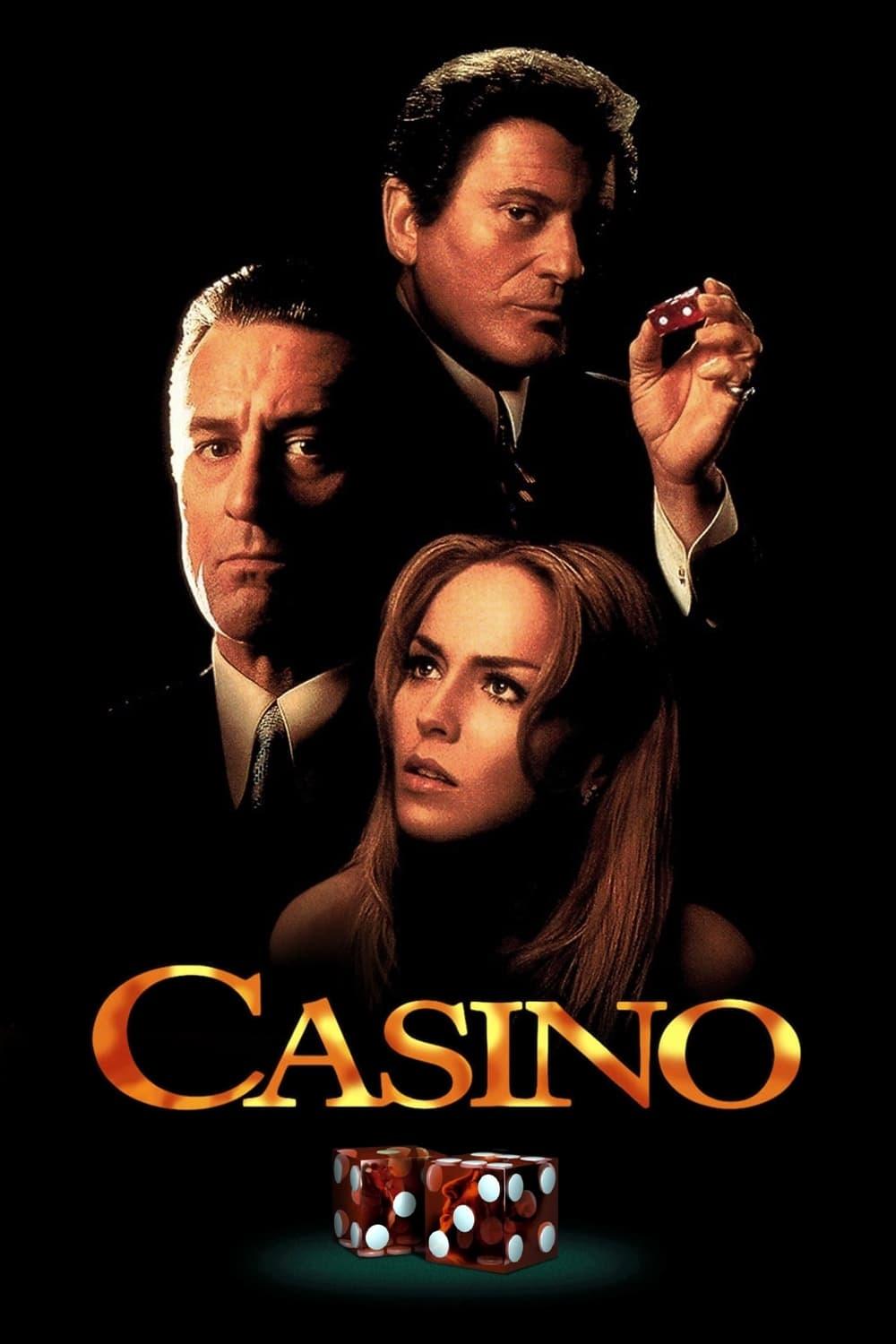
On a humid Chicago afternoon, I recall catching “Casino” on an ancient tube TV with my father, who’d spent years managing hotels in a city not unlike Las Vegas. He winced at every botched deal and calculated betrayal on screen, whispering anecdotes about the real-life pitfalls lurking behind casino facades. Watching Martin Scorsese’s “Casino” became, for me, less of a mob movie and more of a personal pilgrimage—a meditation on ambition, ego, and the quietly devastating entropy that surrounds absolute power. Each revisit reveals more: a landscape where decadence and delusion spiral inwards, suffocating everything honest and tender in their path. That collision of glamour and corrosion is why “Casino” never lets me go.
What the Film Is About
I can’t watch “Casino” without feeling a profound ache for Sam “Ace” Rothstein. His obsessive pursuit of order in an inherently chaotic world echoes that all-too-human desire for control—always teetering on the edge of collapse. The narrative lures us into the labyrinthine politics of a mob-run casino, but beneath the surface, Scorsese tells a story about the cost of inflexible ambition and misplaced trust. It’s not just a gangster saga; it’s a cautionary epic about love and loyalty unraveling beneath the bright lights of Las Vegas.
The emotional centerpiece lies in the doomed triangle between Ace, Ginger, and Nicky. What initially appears to be a formulaic rise-and-fall tale is instead a tragic meditation on the impossibility of true intimacy amid relentless self-destruction. Each attempt at connection—Ace’s yearning for Ginger’s affection, Nicky’s loyalty beset by greed—winds up poisoned by envy, addiction, and paranoia. “Casino,” to me, is a requiem for squandered potential, where every glittering sequence overlays a deepening sense of loss.
Core Themes
At its molten core, “Casino” is about power—its allure, its fragility, and its inevitable cost. I’m fascinated by how the film peels back the layers of control, exposing not just institutional corruption, but the private ways people deceive themselves. The notion that one can master (or even out-smart) a world as unpredictable as Las Vegas is a siren song, and Scorsese’s lens never lets us forget the human cost of that hubris.
Equally resonant is the theme of identity. Every main character is trapped by the story they tell themselves: Ace as the perfect operator, Ginger as the survivor, Nicky as the loyal friend and ruthless enforcer. I find their struggles devastatingly current—our own era is no less obsessed with image and invincibility. But in 1995, at a time when American optimism was curdling into cynicism post-Cold War, this film’s skepticism toward the “American Dream” felt especially prophetic. The idea that success is always tinged with rot, that paradise is always temporary, strikes me as the film’s most bracing assertion.
Symbolism & Motifs
I’m drawn to Scorsese’s recurring use of mirrors and glass. Every reflective surface in “Casino” reminds me of the characters’ ceaseless self-surveillance and duplicity. Whether it’s Ace’s quiet study of the casino floor or Ginger’s glamorous reinventions, mirrors become metaphors for their shifting, fragile identities. The glass cage that eventually entraps Ace feels almost inevitable—a symbol of his own mental imprisonment.
Equally potent is the motif of decay beneath glitter. The endless neon, diamond necklaces, and silk suits dazzle, but Scorsese often cuts abruptly to violence or squalor, exposing the rot beneath the surface. For me, the film’s visual palette—lush golds and harsh reds—emphasize this collision between desire and destruction. Even the casino itself is a haunted stage, a perpetual performance masking grim realities. This duality saturates every frame with tension and irony.
Key Scenes
The Desert Ultimatum
This moment, when Ace and Nicky argue in the sun-baked wasteland beyond Las Vegas, encapsulates the film’s emotional volatility. Their heated words—acerbic, intimate, revelatory—expose the collapse of brotherhood forged by shared ambition. The barren desert amplifies their isolation: here, friendship and trust finally fracture irrevocably. I return to this exchange whenever I think about how loyalty erodes under pressure.
Ginger’s Late-Night Meltdown
It’s impossible to shake the image of Ginger, strung out and desperate, pounding on Ace’s door while he refuses her refuge. At this juncture, love curdles entirely into suspicion, and Ginger’s vulnerability—rendered so nakedly by Sharon Stone—becomes, in my view, the film’s emotional nadir. This scene crystallizes how fear and obsession can destroy any hope for redemption, even for the ones we claim to love most.
The Opening Car Bomb
The movie’s explosive prologue, following Ace as he steps into his Cadillac, is iconic for a reason. The sudden violence is almost operatic; the camera floats through the fiery wreckage, accompanied by Bach’s “St. Matthew Passion.” For me, this is not simply an act of vengeance, but the visual promise that chaos rules beneath every structure Ace builds. Scorsese invites us, right from the outset, to anticipate disaster as the only true constant.
Common Interpretations
Most critics have approached “Casino” as Scorsese’s operatic return to gangster terrain, often comparing it (inevitably) to “Goodfellas.” There is widespread consensus that the film is a study in American excess and decline, that it charts—sometimes with clinical detachment—the rise and dissolution of a criminal empire. I see the merit in this reading, but to me, the personal tragedy far outweighs the generic mob drama. The most common dismissal—that “Casino” is overindulgent or too enamored with spectacle—misses what I find so compelling: its relentless focus on personal ruin within institutional failure.
While many interpret Ginger as a shallow femme fatale, I’m struck by how she personifies the limits of transactional relationships—her arc is brutally affecting in its depiction of dependency and self-sabotage. The film is less about epic criminality than it is about the atomization of trust; Scorsese’s true subject isn’t the mob, but the slow evaporation of intimacy in a world built on secrecy and fear.
Films with Similar Themes
- The Godfather Part II – Explores the corrosive impact of power and legacy within tightly controlled criminal structures.
- Scarface (1983) – Chronicles the self-destruction and paranoia that erupt when ambition outpaces morality.
- Chinatown – Uses the veneer of a glamorous city to peel back hidden corruption and the price of searching for truth.
- Boogie Nights – Examines the implosion of an industry—and personal connections—once larger-than-life success collapses under its own weight.
The Enduring Relevance of “Casino”
To appreciate “Casino” today requires not just a taste for crime drama, but a willingness to look unflinchingly at the ways pursuit of power curdles love and, inevitably, corrodes the self. I find that its themes remain urgent—our illusions about success and the dangers of unchecked ego have only become sharper in our own era. Watching Scorsese’s world unravel is an education in what happens when boundaries evaporate and ambition becomes both salvation and curse. “Casino” is best approached as both a warning and an elegy—one that remains impossibly dazzling and deeply mournful.
Related Reviews
If you found value in my perspective, you might also enjoy exploring my thoughts on other cinematic landmarks such as Goodfellas and Chinatown.
To broaden this interpretation, you may also explore how critics and audiences responded over time.
🎬 Check out today's best-selling movies on Amazon!
View Deals on Amazon