
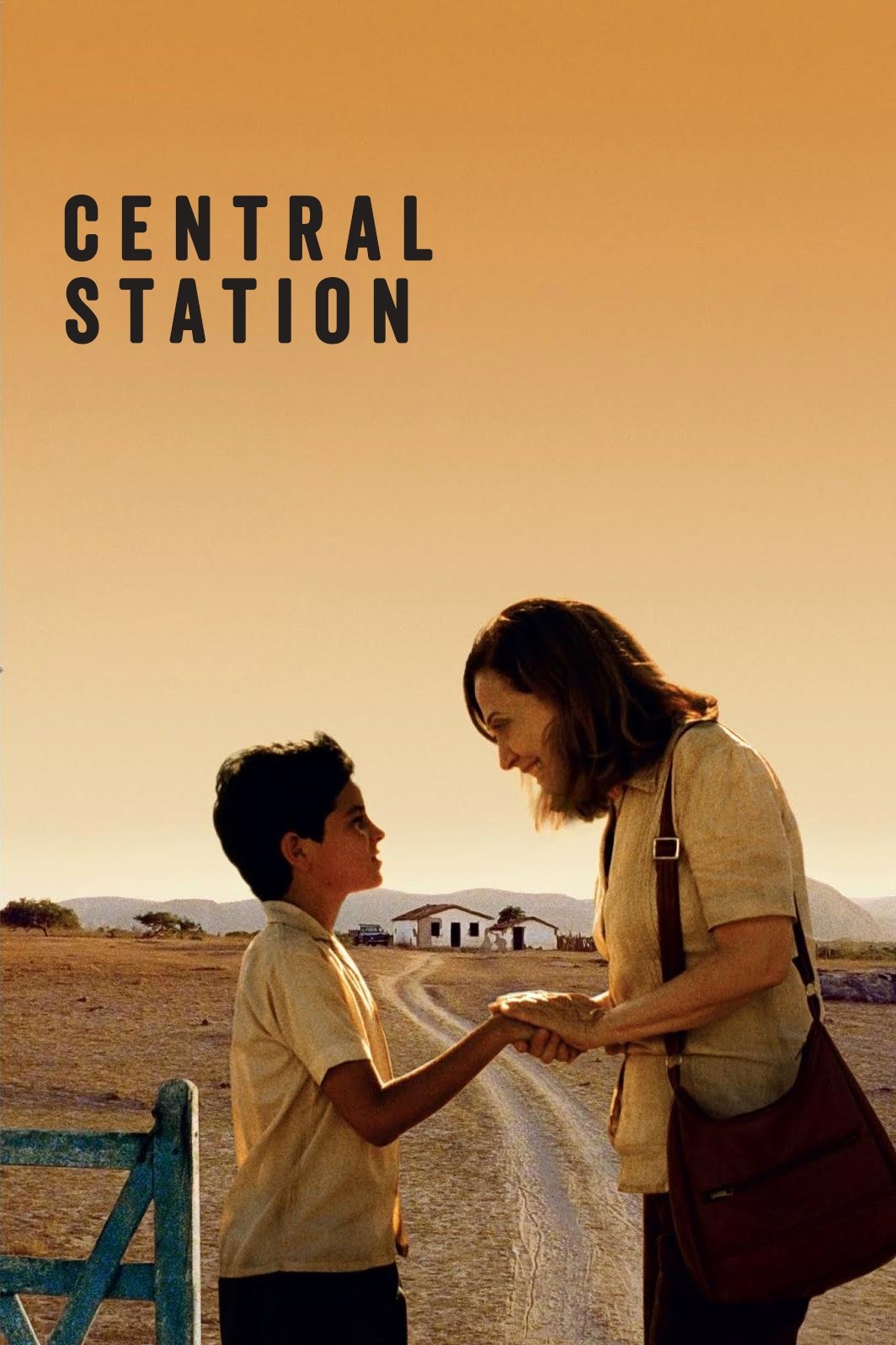
When I First Met Dora: The Power of Reluctant Compassion
I remember the first time I encountered Dora, the cranky, sharp-tongued ex-schoolteacher at the heart of “Central Station.” There was something electrifying about her unapologetic disinterest in the suffering she saw every day. I was unsettled, even irritated—her cynicism clashed hard against the sentimental melodrama I thought I was about to watch. But as the story unfolded, I realized that Dora’s journey is a study in how the human heart cracks open, almost against its will, when confronted with another’s desperate need. I found myself caring far more than I expected, not just about Dora, but about what her transformation means for anyone who’s built emotional walls to keep out the world’s pain.
Rio’s Station as the Soul’s Waiting Room
What struck me most upon repeated viewings is how the titular Central Station exists as much in the mind as it does in the bustling city. For Dora and the orphaned boy Josué, the station isn’t just a backdrop; it’s a liminal space, a place where lives intersect and fates are decided. The endless stream of faces and voices, captured through the director’s lingering shots, echoes the transience of our own connections. I felt as if the film were asking me to notice how frequently we pass by stories that will never touch us—unless, like Dora, we choose to let one in. The station is a purgatory of potential, where apathy and mercy are weighed in the balance.
Letters Never Sent: The Weight of Unspoken Words
I can’t stop thinking about the letters Dora writes for illiterate strangers—a seemingly menial job that becomes the film’s emotional compass. Each dictated message is a small act of hope and vulnerability, yet most are never mailed. This mountain of unsent letters stands as a monument to the words we wish we could say, and the confessions we never have the courage to send out into the world. I realized that the film is preoccupied with voicelessness: the way poverty, isolation, and loss of faith can silence a person. Dora’s act of intercepting these messages is callous, but it’s also a defense—if she can keep others’ pain at bay, maybe she won’t have to confront her own emptiness. But the story won’t let her have that distance indefinitely.
The Long Road: Brazil’s Physical and Emotional Landscape
The journey that Dora and Josué undertake across Brazil is one of the most quietly radical elements of “Central Station.” Instead of the lush, tropical iconography that often defines cinematic Brazil, the film traverses arid stretches, sun-bleached villages, and fragile communities. The landscape isn’t just a setting; it’s a living metaphor for the characters’ internal desolation and stubborn hope. As I watched their odyssey, I was confronted with the realities of class and faith in Brazilian life, but also with the universal urge to search for belonging. Every hardship on the road is mirrored in the characters’ struggle to connect, to forgive, and to risk love. The film never offers easy answers, but it makes the very act of seeking an answer into a kind of redemption.
Motherhood in the Absence of Mothers
What makes the relationship between Dora and Josué so unexpectedly profound is that neither is prepared to play the roles fate has handed them. Dora, especially, is resistant: motherhood is not a mantle she chose, and the movie scrupulously avoids sentimentalizing her care. The hesitant, sometimes prickly affection that grows between them feels authentic because it’s born out of necessity as much as choice. I found myself moved by how the film explores the ways we parent each other, often in spite of ourselves. It insists that family, in its truest sense, is a provisional structure—one built from shared need, unlikely trust, and small gestures of grace.
Faith and Forgiveness: Quiet Miracles
Religion hovers over “Central Station” like the memory of a lost song. Icons and crosses dot the scenery, and Josué’s longing for his absent father is wrapped up in a child’s prayers and magical thinking. But what really stands out to me is how the film refuses easy religiosity. Faith in this story is not dogmatic, but lived—expressed in kindness, risk, and the willingness to start over, even when the world seems indifferent. Dora’s eventual decision to help Josué isn’t framed as a grand gesture, but as a small, daily act of forgiveness—toward herself, toward the boy, and toward a world that can be so cruel. The film’s most radical assertion is that miracles are found not in spectacle, but in the dogged persistence of imperfect love.
Mirrors and Windows: Seeing Ourselves in Strangers
One of the film’s quietest, most powerful techniques is the way it makes the viewer complicit in Dora’s gaze. At Central Station, the camera lingers on faces—hopeful, anxious, pleading—waiting for connection. I could feel myself implicated in the act of looking and not seeing, of hearing and not listening. By forcing us to witness, again and again, the vulnerability of strangers, the film asks: what happens when we let ourselves be changed by the people we’d rather ignore? Dora’s initial refusal to help Josué is easy to judge until I ask myself how often I’ve done the same, in smaller, quieter ways. The story doesn’t let us off the hook: it’s an unflinching meditation on the courage required to be present with another’s suffering.
The Final Departure: What Remains When the Journey Ends
The closing moments of “Central Station” always leave me gutted, but also quietly hopeful. Dora and Josué’s parting isn’t triumphant; it’s marked by the uncertainty that has shadowed them the whole way. And yet, something fundamental has shifted—not just in them, but in me as a viewer. By choosing to accompany each other, however imperfectly, they have both rediscovered a sense of agency and connection that the world had denied them. The film resists the urge to neatly resolve their futures, and in that ambiguity, I find its greatest strength. Sometimes, the most meaningful changes are the ones that happen slowly, invisibly, in the aftermath of a journey shared.
If This Resonated: Two Films That Echo the Heart of “Central Station”
If you, like me, find yourself haunted by “Central Station’s” exploration of reluctant intimacy and soul-searching journeys, you might appreciate these two classic films:
- The Bicycle Thief – A father and son struggle through the streets of postwar Rome, facing poverty and the fragile hope of reunion.
- Night of the Shooting Stars – Ordinary people wander the scorched Italian countryside, searching for connection, belonging, and a sense of home amid chaos.
If you’re curious about how this film was originally perceived or how it compares to similar works of its era, these resources may be helpful.
🎬 Check out today's best-selling movies on Amazon!
View Deals on Amazon