
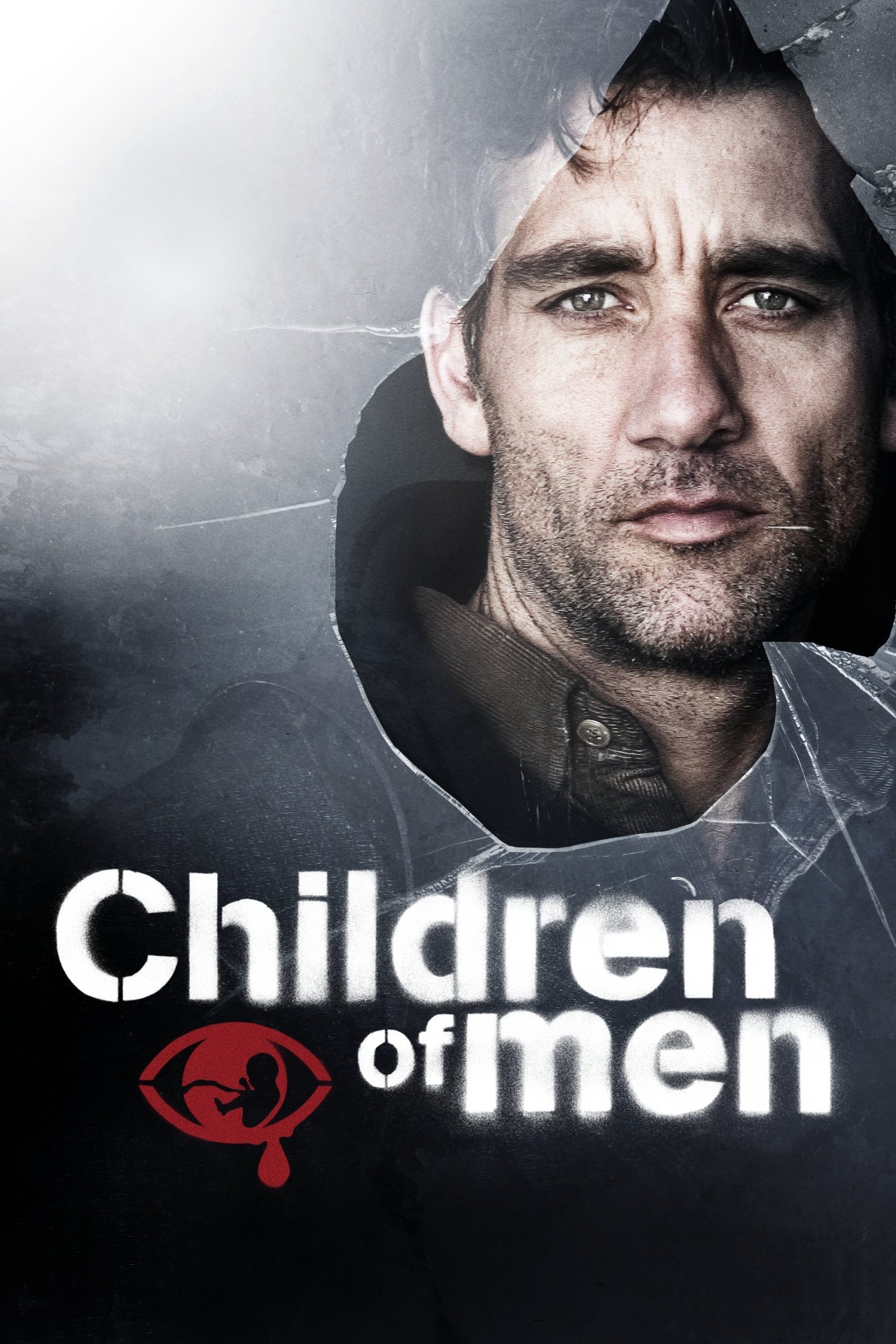
Seeing “Children of Men” for the first time was less a casual viewing experience and more a jarring immersion into an alternate present—one that felt disturbingly close to our own reality. I remember sitting in the dark, the air heavy, as Alfonso Cuarón’s camera seemed to move through the film’s shattered world in a single unbroken breath. What drew me in so powerfully was not just the dystopian backdrop, but the overwhelming sensation that hope—fragile, nearly extinct—might still claw its way through the smog. That image, of hope battered but unyielding, continues to haunt me every time I revisit the film.
What the Film Is About
At its core, “Children of Men” follows Theo Faron, an emotionally numbed bureaucrat eking out an existence amidst the collapse of civil society. But as I watched Theo’s journey evolve, I saw more than a survival story—I saw an exploration of the moral cost of indifference and the restless, impossible search for redemption in a world that seems devoid of both mercy and meaning. The central conflict is less about external threats and more about whether anyone can find the will to care, or the courage to act, when despair is the law of the land.
The film is, above all, about the fragility of hope. When the world stops having children, everything grinds to a halt: politics, art, love, even the taste for simple joys. The existence of Kee, the first pregnant woman in nearly two decades, is less a miracle than a private agony she bears in secret. Through Theo’s reluctant guardianship, I witnessed humanity reduced and distilled—the smallest act of kindness, the faintest flicker of trust, feels seismic. In that, the film asks its most urgent question: if tomorrow really is gone, why would we keep fighting for today?
Core Themes
No single theme defines “Children of Men,” but if forced to choose, I would argue that the erosion and reclamation of hope is its fiercest preoccupation. The film spends most of its running time in landscapes scarred by migration crises, class warfare, and environmental decay—echoes of concerns that have only grown more resonant since 2006. Watching it now, the visions of refugee cages and government brutality are no longer speculative fiction, but unnervingly prescient warnings.
An equally potent current is the film’s meditation on faith and the endurance of the human spirit. It’s not a religious film, but it draws relentlessly on imagery of nativity, sanctuary, and sacrifice. I never fail to be moved by how it treats faith—not as blind optimism, but as a grim, determined act of resistance. In 2006, amid global anxieties about terrorism, climate change, and the erosion of civil liberties, these themes struck an immediate chord. Today, in an era even more uncertain, they feel inescapably urgent—a sobering mirror held up to the world’s growing cynicism and fatigue.
Symbolism & Motifs
One of the strengths of “Children of Men” is its visual density—the way Cuarón and cinematographer Emmanuel Lubezki layer meaning into every frame. The most obvious recurring motif is the use of cages and barriers: chain-link fences, police checkpoints, dilapidated buses turned into prisons. Every boundary in the film literalizes the many ways in which society divides and dehumanizes itself, reminding me that the collapse of empathy is always accompanied by the rise of walls.
Another haunting symbol is the constant, intrusive presence of stray animals. Dogs and cats wander the ruins, sometimes nuzzling up to Theo, as if searching for absent owners. For me, these animals are a silent testament to lost innocence, to the domesticated world falling apart in tandem with human structures. They also point to what’s left when our best impulses—nurturance, loyalty, play—are starved by fear and uncertainty.
Perhaps most stirring, though, is the recurring motif of sound and silence. Gunfire, shouts, propaganda broadcasts: a relentless cacophony. But when Kee’s baby is revealed, all of it falls away. In that momentary hush, the film achieves a rare transcendence—suggesting, if only for a breath, that awe and wonder can silence even the most entrenched violence. It’s a motif that reminds me how easily hope can be drowned out—and how stubbornly it still insists on being heard.
Key Scenes
Shattering Quiet: The Baby’s Arrival Amidst War
The most indelible scene for me arrives deep in the film’s third act, as Kee and her newborn navigate a hellish firefight in the refugee camp. As soldiers and combatants realize what has happened, their weapons lower, voices hush, and for the first—and perhaps last—time, something like reverence fills the air. This moment crystallizes the film’s argument: that life itself, in its rawest state, commands governance over chaos and conflict. It’s a sequence I return to in memory whenever the noise of the world feels overwhelming, a reminder that awe can disrupt even the bitterest warfare.
Walking Through Ashes: The Early Bombing at the Café
Early in the film, Theo stands dispassionately in a crowded London café, only to step outside moments before a terrorist bomb detonates behind him. The camera lingers on the aftermath—fragments of glass, random bodies, blood on the sidewalk. It’s an early declaration that no one is immune from the collapse; violence is arbitrary, proximity to disaster inevitable. This scene sets the thematic stakes: there are no safe places left, which makes every act of care more precious.
Unbroken Gaze: The Long Take in the Car Ambush
Technically dazzling yet viscerally intimate, the infamous single-take car ambush sequence throws Theo, Kee, and their companions into relentless, claustrophobic peril. Cuarón’s refusal to cut away enforces complicity—I feel every gasp, every jolt, every crash. The fluid camerawork binds me to the characters’ panic and ingenuity, forcing me to confront the immediacy of their terror. This scene is less about spectacle and more about reminding me what it feels like to be completely, irrevocably exposed to the world’s worst possibilities.
Common Interpretations
Most critics approach “Children of Men” as a parable about sociopolitical anxiety, interpreting it through the lens of post-9/11 fears—immigration, terrorism, state-sponsored cruelty. These readings are valid and, given the context of its release, inevitable. The film certainly thrives as a critique of Western complacency and governmental overreach, skewering our collective tendency to look away until catastrophe becomes personal.
But while I share an appreciation for these layers, my own reading is more existential: the film resonates less as a treatise on politics and more as a meditation on how and why we keep loving each other in a world determined to grind us down. Where critics often focus on its allegorical flourishes, I see “Children of Men” as an unflinching study of spiritual perseverance—how simple decency, in its quietest forms, becomes an act of revolution. In that sense, the film’s lingering impact on me is not fear of the future, but the mounting challenge of maintaining compassion in the present.
Films with Similar Themes
- The Road (2009) – Like “Children of Men,” “The Road” explores a post-apocalyptic world where parental love and the remnants of hope become the only things worth fighting for amidst ruin.
- Brazil (1985) – Terry Gilliam’s film critiques bureaucratic dystopia and the erasure of humanity, echoing the sense of individual struggle against overwhelming, impersonal systems found in Cuarón’s world.
- V for Vendetta (2005) – This film also presents a society gripped by fear and authoritarianism, foregrounding the idea that individual action—even against impossible odds—can spark resistance.
- Children of Heaven (1997) – While very different in tone, both films use the motif of children as emblems of innocence, linking their wellbeing to the possibility of renewal and emphasizing the human capacity for hope in dire circumstances.
Reflections on a Future Foretold
What “Children of Men” continues to offer, in our fraught present, is not just a vision of doom but a blueprint for survival—one grounded in empathy, sacrifice, and the stubborn refusal to surrender dignity. I would urge any modern viewer to approach it not as prophecy, but as a challenge: to witness the devastation, yes, but to marvel at every human connection that survives it. To understand its core themes is to recognize, even on the bleakest days, that meaning is forged precisely where hope meets resistance. For me, that recognition transforms the film into an act of quiet, necessary defiance.
Related Reviews
If you found value in my perspective, you might also enjoy exploring my thoughts on other cinematic landmarks such as Blade Runner and Gattaca.
To broaden this interpretation, you may also explore how critics and audiences responded over time.
🎬 Check out today's best-selling movies on Amazon!
View Deals on Amazon