
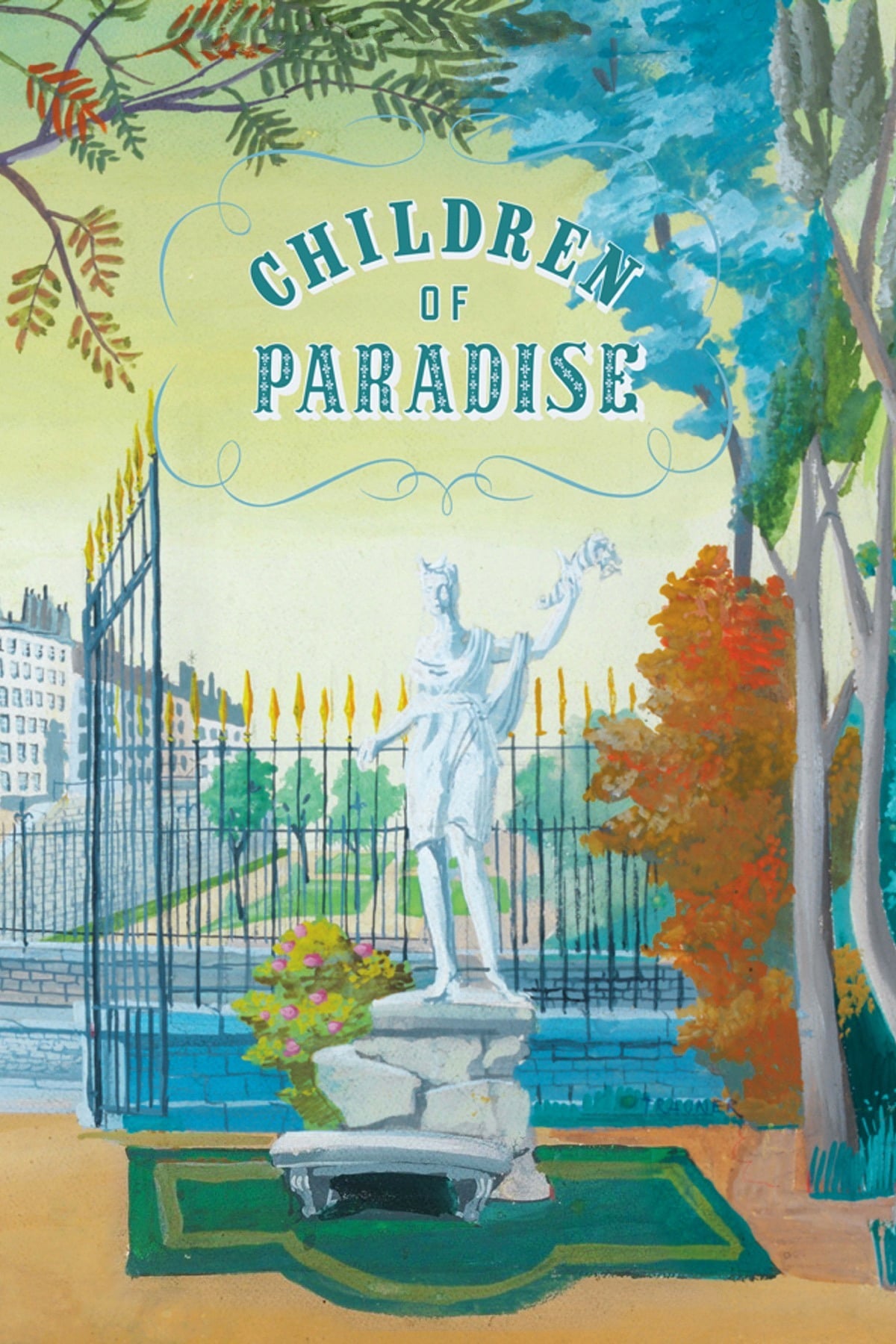
Stepping Into the Dreamlike Paris of My Imagination
I never felt the city of Paris shimmer quite like it does in Children of Paradise. The moment the curtain rises on that teeming boulevard, I am swept into a universe that feels both vividly real and fantastically elusive—a space both haunted and alive, shaped by dreams, masks, and the fragility of love. This film is not simply a period piece or a romantic saga; it’s a feverish meditation on performance, longing, and the peculiar ways art and reality shape each other.
The Stage as a Mirror of Desire
What consistently strikes me is how deliberately the film blurs the boundaries between theater and life. Each principal character—Baptiste, Garance, Frédérick, Lacenaire—exists as both performer and audience, always switching masks, never quite at ease in their own skin. Their lives are staged, always observed, forever subject to the gaze of others, and, by extension, the judgments and illusions that gaze conjures. When Baptiste’s silent whiteface pantomimes, I sense a yearning for pure, wordless communication; yet, as soon as he steps off the boards, the “real world” feels just as artificial. This constant interplay makes me ask whether any of us are ever truly authentic, or if we’re doomed to endless rehearsal—our hearts forever concealed behind painted smiles.
Garance and the Impossible Promise of Freedom
Every time I watch Arletty’s Garance, I’m reminded that true freedom is both intoxicating and tragically out of reach. She glides through the labyrinth of the city—a mythic ideal, a woman desired by all, yet never truly possessed. Garance is less a person than an idea: the embodiment of possibility, the shimmering object of longing that everyone projects their desires upon. I see in her the film’s central paradox: to be loved so fiercely that individuality dissolves, yet to yearn for autonomy so intensely that connection becomes impossible. Her freedom is both her greatest lure and her greatest curse; those who love her, like Baptiste, spend their lives circling a fire they can never touch.
Language, Silence, and the Art of the Unspoken
Among all the dazzling dialogue and witty banter, what lingers for me are the silences—the moments when longing and regret vibrate in the space between words. Baptiste communicates most powerfully when he says nothing at all, his body a vessel for every nuance of heartbreak and hope. This use of silence—so rare in melodrama—gives the film an aching poetry, a reminder that the most profound emotions are often unsayable. For me, the unspoken in Children of Paradise challenges the audience to read faces, to conjure backstories from glances, to accept that what is lost between people can never be truly retrieved by words. The silence is not absence, but a language unto itself.
Lives Entwined, Destinies Thwarted
If I ever doubted that fate could be both cruel and beautiful, Children of Paradise convinced me otherwise. Each character struggles against their own limitations—class, reputation, past crimes, the caprices of the crowd. Yet, there’s no cosmic justice here; love is not rewarded, nor is virtue necessarily punished. Instead, the film dwells in the tragic recognition that human connection is a miracle, brief and often impossible, constantly threatened by miscommunication and circumstance. This is most palpable in the final moments: the mob, the swirling carnival, Baptiste’s desperate pursuit through the throng. In that chaos, I sense not only the randomness of chance but the impossibility of ever truly finding each other in a crowded world.
The Allure of Masquerade and the Terror of the True Self
I am always fascinated by how Carné and Prévert use the motif of disguise—not just the literal masks of the theater, but the social facades worn by every character. The foppish Frédérick, the criminal Lacenaire, the tragic Baptiste; each is both more and less than he appears, hiding wounds and desires beneath the surface. The film insists that all love is, at heart, a kind of misrecognition—an attempt to reach someone whose true face we never fully see. When Garance remarks that she feels free because she never lies, I hear the echo of a deeper truth: honesty is impossible in a world built on performances, but the yearning for authenticity is what makes us human.
Carné’s Paris: A Memory, Not a Place
The city itself looms over me like a half-remembered dream, at once detailed and mythic, especially knowing the film was shot under wartime constraints. The boulevards and theaters become arenas for longing and betrayal, but they’re also hazy backdrops—never quite real, imbued instead with nostalgia and loss. Paris, in this film, is not a historical city but an idea—a collective fantasy about art, romance, and the possibility of escape. The careful artifice of the sets heightens this feeling: it’s less history than the memory of history, a place we all imagine but can never truly visit.
The Role of the Crowd: Witnesses and Judges
I find myself returning to the ever-present crowd, the sea of faces who watch, judge, and sometimes destroy those on the stage. The audience within the film is a character in itself—by turns enraptured and vicious, shaping fates with its applause or scorn. This is a film obsessed with spectatorship: characters are defined by how they are seen, and by whom. The fear of public humiliation, the longing for collective adoration, and the risk of misunderstanding all swirl together, forcing the players into roles they cannot escape. In this sense, the film anticipates a modern world in which identity is always, inescapably, a performance before an audience.
Desire and the Unattainable
Again and again, what I carry away from Children of Paradise is the ache of incomplete love. Every longing is frustrated, every embrace shadowed by loss. The film’s deepest wisdom lies in its acceptance of the impossibility of fulfillment; to love, it suggests, is to live forever in pursuit, never at rest, always haunted by what might have been. This is not a nihilistic vision, but a profoundly humane one. For all its lush spectacle and intricate plotting, the film’s heart lies in its embrace of yearning as our most universal—and most beautiful—state.
Where to Go After the Paradise
For those who, like me, find themselves transfixed by the tragic poetry and theatrical magic of Children of Paradise, there are a few other films that haunt me in similar ways. Both La Ronde and The Red Shoes offer labyrinths of longing, performance, and beautifully impossible love. Each, in their own way, invites us to ponder the boundaries between art and life, and the eternal lure of the unattainable.
If you’re curious about how this film was originally perceived or how it compares to similar works of its era, these resources may be helpful.
🎬 Check out today's best-selling movies on Amazon!
View Deals on Amazon