
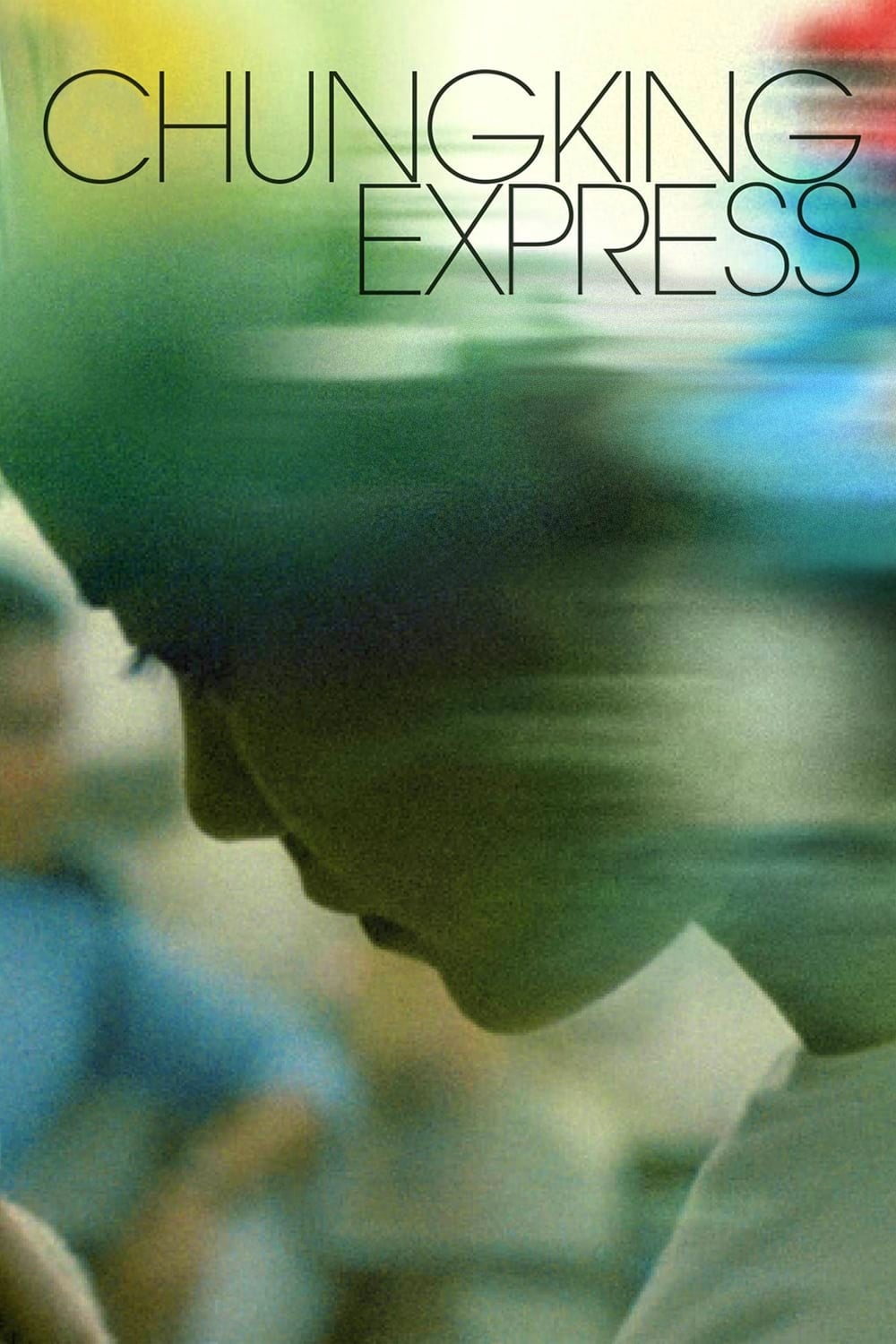
Neon Heartbeats in the City’s Shadows
I remember the first time I watched “Chungking Express,” and how its fragmented tales caught me off guard—there’s a pulse to its storytelling, a heartbeat nestled underneath rain-slicked alleyways and flickering fluorescent lights. What struck me most wasn’t the plot, which almost feels like background music, but the lingering sensation of urban isolation and fleeting connection. Wong Kar-wai’s film seems to whisper: modern life is a series of missed connections, moments of longing that vanish before you can name them.
People as Passing Trains—Transience in Every Frame
Chungking Mansions and the Midnight Express snack bar aren’t just settings; they’re crossroads for souls adrift. Characters float through these spaces like commuters at a train station, brushing past each other, exchanging glances, and rarely finding lasting contact. The two cops, 223 and 663, are both recently heartbroken, but the city doesn’t pause for their sorrow. Their obsessions—expiring cans of pineapple, talking to soap and dish towels—are less about the women they’ve lost and more about the desperate need to mark time, to believe their hearts haven’t stopped beating in the metropolis’ indifferent glare.
I see Hong Kong itself as an uncredited protagonist. The city’s relentless motion echoes the swirling, circular camera work and frenetic cuts—visual language that turns emotional turbulence into geography. In these moments, I hear Wong Kar-wai asking: how do you really connect with someone when everything around you insists on moving faster than your heart can keep up?
A Language of Objects and Rituals
The pineapple cans, the blonde wig, the dish cloth—none of these objects are random. They’re tokens, small anchors amidst chaos. Objects in “Chungking Express” embody the characters’ desire to freeze memories, to compress love and loss into something tangible before it slips away. I’m haunted by the cop’s pineapple ritual: he attaches a date to his heartbreak, a futile attempt to control expiration. With every can he devours, I feel the ache of hope and the inevitability of disappointment. These rituals are not about moving on; they’re about preserving feeling in a world that offers no guarantees.
Faye’s intrusion into Cop 663’s apartment isn’t just quirky; it’s loaded with subtext. She tries to rearrange his life one small object at a time, as if she can heal his wounds through domestic magic. But the transformation is shallow—an external attempt at interior change. The film suggests that real healing doesn’t arrive through outside intervention or magical thinking; it’s slower, lonelier, more mysterious than that.
The Soundtrack of Longing
The repetition of “California Dreamin’” and the sly inclusion of “Dreams” by the Cranberries aren’t simple stylistic flourishes—they are characters unto themselves. Music in “Chungking Express” acts as the emotional metronome, marking time for hearts in limbo. Each time “California Dreamin’” plays, it reminds me of Faye’s escapism, her longing for a place she’s never seen but built up in her head as a salvation. The music’s ceaseless return is a gentle cruelty: escape is always an idea, never quite a reality.
When music finally stops, the silence is deafening. Wong Kar-wai uses repetition the way we use nostalgia: as a comfort, as a prison. The characters keep replaying the same moments—songs, gestures, old heartbreaks—because the alternative, facing the unknown, is so much scarier.
Camera as a Breathless Observer
Christopher Doyle’s cinematography is kinetic to the point of dizziness. The camera rarely sits still, drinking in reflections, catching characters half out of frame. This restlessness translates the characters’ emotional instability—life feels blurry, unfocused, as if love might be hiding in the next frame but vanishes if you turn too quickly. I’m always aware that the camera is intruding, hovering just over someone’s shoulder, sometimes eavesdropping, sometimes almost comforting. It’s voyeuristic and intimate at once, reflecting the way we all spy on other lives, searching for meaning in strangers’ gestures.
Wong’s visual style isn’t about realism—it’s about the way memory distorts and focuses, how desire warps our perception of the everyday. Colors bleed, time speeds up or slows, faces are glimpsed in passing, much like memories that never quite settle into clarity.
The Absurdity of Romance and the Suffering of Time
For all its melancholy, there’s a sly humor to the film’s treatment of romance—love here is as absurd as it is painful. Cop 223’s pineapple fixation is simultaneously pathetic and hilarious, underlining how heartbreak can make us superstitious and irrational. Chungking Express doesn’t romanticize love so much as expose its comic-tragic rituals—the way we chase after strangers or invest superstition in groceries, hoping to outrun loneliness.
The ticking deadlines—the expiry dates, the countdowns, the missed meetings—are more than structural devices. Time is the film’s true antagonist, always threatening to erase connection before it even begins. This is the ache at the core of the film: every attempt at love is haunted by the certainty of loss, and yet we try anyway, if only to stave off the emptiness for a few days longer.
The In-Between Moments: Liminal Spaces and Unspoken Words
What keeps drawing me back to “Chungking Express” is its devotion to the in-between, the ellipses between one relationship and the next, the breaths held before a confession. Wong Kar-wai’s greatest gift is his ability to turn the mundane—eating fast food, cleaning a kitchen, waiting for a phone call—into sites of existential drama. In this film, the most meaningful things are often left unsaid. Words fail, but gestures persist—a message left on a napkin, a repeated song, an unspoken smile. These are more honest than any grand declaration.
It strikes me that “Chungking Express” is deeply skeptical about closure. No one gets a neat ending; life simply continues, and healing is incremental, not redemptive. The film refuses to resolve itself, much like real longing, which lingers on the periphery of our everyday routines.
Dreaming with Open Eyes—Hope in a City that Never Sleeps
For all its melancholy, there’s a subtle optimism running underneath the surface. Every chance encounter, every unresolved glance, is an invitation to imagine a different ending. Faye’s dream of California isn’t just naïve escapism; it’s a metaphor for how hope sustains us, even if it is built on pure fantasy. Watching the film, I feel the ache of possibility—how every new face in a crowd might become the person who changes everything, how every ordinary day might be the start of something that gives our drifting lives new meaning.
Chungking Express ultimately leaves me believing that connection—even if brief or imperfect—is worth the risk. The city may never stop for us, but in the split second before the train pulls away, there’s always the hope that someone might be waiting on the platform. Wong Kar-wai doesn’t promise that love will last; he only promises that it’s worth chasing, even if it expires by tomorrow.
If You Crave More Bittersweet City Dreams
If the mood and themes of “Chungking Express” haunt you as they haunt me, I’d suggest tracking down “Lost in Translation” for its kindred sense of urban alienation and tender, ephemeral bonds, and “Brief Encounter” for its aching portrait of love blooming in the briefest of windows.
If you’re curious about how this film was originally perceived or how it compares to similar works of its era, these resources may be helpful.
🎬 Check out today's best-selling movies on Amazon!
View Deals on Amazon