
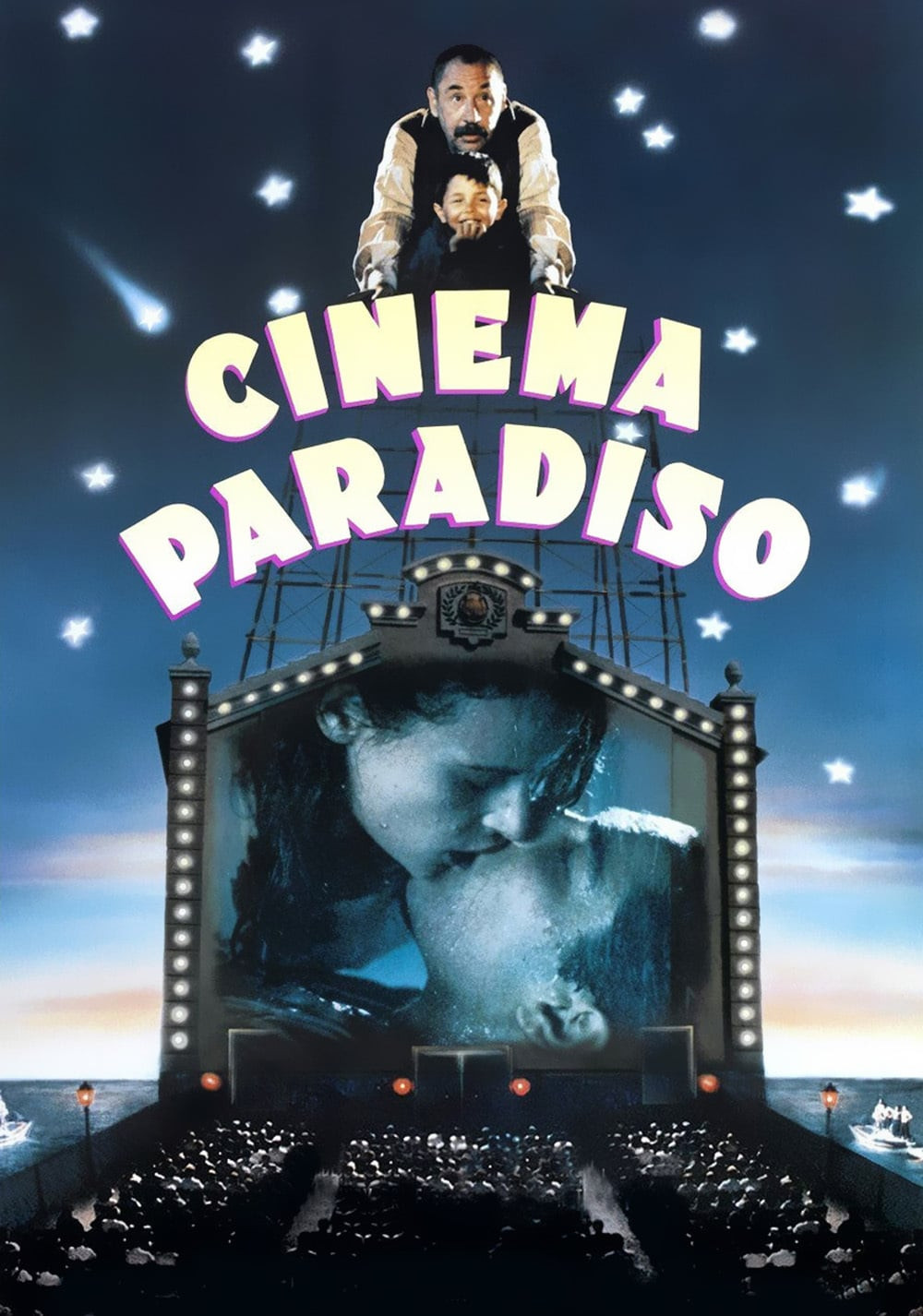
The first time I stumbled upon “Cinema Paradiso,” I did so by accident, searching for comfort on a gray afternoon. What I found, instead, was a bittersweet film that seemed to whisper truths about growing up, mourning the past, and loving what you have to let go. Sitting alone in my small apartment, the world of this little Sicilian town stayed with me long after the credits rolled. That sense of yearning—for childhood, for lost friends, for faded dreams—became personal as I watched, making the act of revisiting this film feel like flipping through an old photo album that still smells faintly of summer and dusty reel film.
What the Film Is About
At its heart, “Cinema Paradiso” revolves around Salvatore, affectionately called Toto, and his complex attachment to his hometown’s movie theater and its gentle projectionist, Alfredo. On its face, the story is a fairly simple one: a boy finds solace in movies while seeking an escape from his rural existence, and a surrogate father who quietly shapes his future. Yet, what pulses beneath the surface is a meditation on memory, nostalgia, and the pain of moving forward.
To me, the conflict isn’t merely whether Toto leaves town, but whether he can ever reconcile the world he longs for with the one unfolding before him as an adult. The film’s aspiration isn’t escape, as it might first appear, but rather a gentle reckoning with longing, with regret, and with gratitude for what childhood innocence delivers even as it slips away. There’s a kind of ache here that transcends language—a testament to how deeply director Giuseppe Tornatore understands the consequences of growing up and the losses that fuel the adult spirit. I see “Cinema Paradiso” as a cinematic love letter not only to film, but to the act of remembering itself.
Core Themes
Among many things, “Cinema Paradiso” is about the stubborn endurance of nostalgia. It is palpable in nearly every frame: the longing Toto feels for his youth, the laughter and heartbreak embedded in reels of film, the faces that become portraits as years pass. For me, the film’s greatest strength lies in how it refuses to romanticize the past outright; instead, it acknowledges that with each bittersweet memory, there’s also an ache—a wound reopened every time we look back.
I’m continually struck by the film’s conversation about the necessity of letting go. In 1988, as Italy herself reckoned with modernity versus tradition, the tension in Tornatore’s narrative felt especially acute. Today, this anxiety is only sharper with the rapid digitization of memory. The value of film as a communal experience, threatened by time and change, is central not only to cinema lovers but to anyone who has ever watched their own world transform unrecognizably. The notion that places—like people—can never be untouched by time is both heartbreaking and comforting; it’s a sentiment that resonates in our era of constant transition.
Finally, mentorship and intergenerational connection are key themes for me. The relationship between Toto and Alfredo is more than just heartwarming—it underscores the ways in which love, wisdom, and sacrifice are often communicated quietly, and sometimes at the cost of pain. The way Alfredo guides Toto’s departure is as much an act of love as any, even if it threatens to break both their hearts.
Symbolism & Motifs
“Cinema Paradiso” is rich with recurring symbols, none more poignant than the movie projection itself. For me, the flickering light in the dark becomes a metaphor for memory: ephemeral, bright, and always dancing just out of reach. The ornate old movie house stands for childhood’s magic—grand on the outside, crumbling at the edges, and ultimately, impermanent. It’s almost as if Tornatore is saying that the places we cherish are defined as much by their eventual loss as by their vitality.
Another motif I find deeply affecting is the sequence of missing kisses—the scenes of censored celluloid that Alfredo preserved for Toto. This recurring idea of the forbidden, the unattainable, speaks volumes about desire, repression, and the quiet agency of those who record our lives in small, subversive ways. When Toto receives this reel as an adult, the impact is profound; they are the sum of inches and seconds snatched away, only to become the heart of what we miss most dearly.
Lastly, bells echo throughout the film–from the church, from the theater, from the town square. To me, these sounds signal both the passage of time and the call back to memory—the ever-present reminder that, no matter how far we roam, a part of us will always attend to the ringing of our beginnings.
Key Scenes
The Burnt Film and the Birth of Friendship
Early on, the accidental fire in the projection room is not just a technical mishap; it marks both the literal and metaphorical ignition of Toto’s lifelong link with Alfredo. I find this extraordinary because in that crucible of disaster, trust is forged. Watching Alfredo’s resilience—and Toto’s helpless awe—reminds me of those rare childhood moments when dependence quietly breeds devotion. The fire, both destructive and creative, mirrors the risks inherent in love, mentorship, and passion for cinema itself.
The Tearful Farewell at the Station
The scene where an older Toto prepares to leave for Rome, while Alfredo insists—almost cruelly—that he must never come back, stands at the film’s emotional epicenter. This farewell is the rawest example of love as loss: selfless, necessary, and utterly irreversible. To me, it is not simply a goodbye; it is the death of innocence, the acceptance of adulthood’s necessary choices. Alfredo’s urging, bittersweet and full of pain, lingers long after the train whistles away into the horizon.
The Reel of Missing Kisses: Longing Realized
No moment in “Cinema Paradiso” devastates and delights me more than the delivery of Alfredo’s secret reel to the adult Salvatore. Spliced together from fragments once deemed inappropriate, these kisses are both a celebration and a requiem for everything censored in Toto’s life—emotion, intimacy, risk. When Toto watches, alone in the dark of the now-shuttered theater, the scene is both a gift and a eulogy: for love, for friendship, and for the medium that shaped him. This sequence crystallizes the film’s central ache—the beauty of what we lose, and the blessing of having loved it at all.
Common Interpretations
The reputation of “Cinema Paradiso” rests largely on its portrayal as a love letter to cinema. Critics frequently dwell on how skillfully Tornatore fuses autobiography with broader nostalgia, reading the film as a paean to Italian neorealism and the golden age of communal movie-watching. Many praise its lush sentimentality—though with a wariness that sometimes dismisses its emotional depth as mere melodrama.
While I understand these points, to me the film is less about cinema itself than the courage to leave home and the wounds that departure opens. Some argue that Tornatore indulges in nostalgia to the point of romanticizing the past, but I encounter more ambivalence—longing tinged with regret and acceptance. The film’s attention to repressed emotion, loss, and reinvention feels anything but saccharine. The theater may be the stage, but the real drama lies in memory, change, and the constant negotiation between what we seek and what we must relinquish.
In essence, where some critics see sentimentality, I find a graceful honesty rarely achieved in films that traffic in longing. The movie, for me, refuses closure, preferring instead the uneasy reconciliation between nostalgia and moving on.
Films with Similar Themes
- Amarcord – Fellini’s reverie about provincial life shares the bittersweet nostalgia and aching love for a vanished world. The communal rituals and quirky memories echo the atmospheric longing of “Cinema Paradiso.”
- The Spirit of the Beehive – Erice’s film about a child’s haunting relationship with cinema mirrors Toto’s journey; both explore the blurring of fantasy and reality, and the silent impact of watching stories.
- Fanny and Alexander – Bergman’s semi-autobiographical portrait of childhood considers memory, family, and the bittersweet movement from innocence into complexity, much like Tornatore’s approach.
- Hugo – Scorsese’s tribute to early film also spotlights the power of movies to heal and transform, while exploring loss, discovery, and mentorship through another young protagonist’s eyes.
Final Reflections: Why This Film Remains Essential
I believe “Cinema Paradiso” is best approached not just as a film about films, but as an intimate guidebook for anyone who has ever grieved the past while reaching for the future. Its themes of memory, sacrifice, and bittersweet nostalgia remain fiercely relevant for audiences of all ages. In our era, where both cinema and communal experience are increasingly endangered, this film offers an empathetic bridge to feelings that are universal and, often, unspeakable. Embracing its lessons ensures that the stories which shape us—no matter how painful—are never truly lost. I always recommend watching with an open heart and letting the past’s ache remind you of its gifts.
Related Reviews
If you found value in my perspective, you might also enjoy exploring my thoughts on other cinematic landmarks such as “Amarcord” and “The Spirit of the Beehive.”
To broaden this interpretation, you may also explore how critics and audiences responded over time.
🎬 Check out today's best-selling movies on Amazon!
View Deals on Amazon