
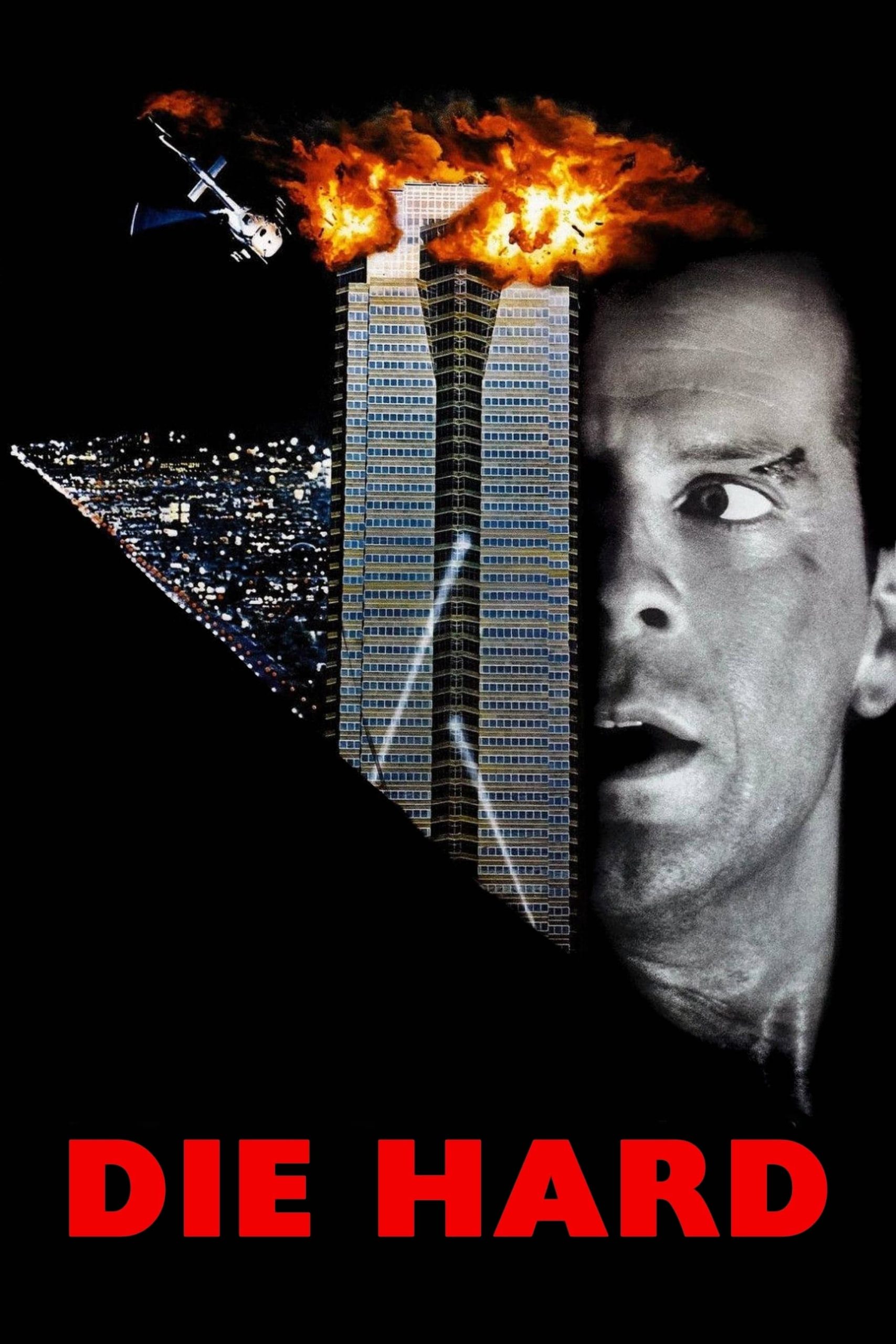
When I First Met John McClane
I’ve never forgotten the first time I watched John McClane crawl barefoot through a labyrinth of glass and blood on Christmas Eve. The air in my living room felt different—charged, almost conspiratorial. “Die Hard” wasn’t simply an action film about a New York cop in the wrong place at the wrong time; it was a meditation on masculinity’s fragility, the myth of American heroism, and the ache of emotional isolation beneath all that wisecracking bravado. I remember immediately sensing that this was a film in conversation with itself, mocking the very genre it defined.
The Heart Beneath the Humor
People often recall “Die Hard” for its relentless pace or its iconic lines, but what lingers with me is the soul underneath McClane’s sarcasm. There’s an ache to his jokes—a man desperately trying to mask his loneliness and his fear of failure. So many action heroes seem invincible; McClane feels breakable, wounded by divorce, regret, and a country that’s left him behind. Every quip and bruised smile is a shield, and as the night wears on, those defenses crumble. The laughter in “Die Hard” isn’t only comic relief; it’s a kind of whistling in the dark, a reminder of our need to find meaning amid chaos.
Skyscraper as Fortress—and Prison
The Nakatomi Plaza is more than a setting; it’s a living, breathing metaphor. This gleaming corporate tower is both fortress and prison, a monument to capitalist ambition and the emotional isolation it breeds. Watching McClane scale air vents and stairwells, I felt as though I was traversing the psyche of a man separated from his loved ones not just by terrorists, but by the walls and floors he helped build through neglect and pride. The building’s glass walls promise transparency but instead reflect back the emptiness—capital, progress, and modernity as false refuges when everything falls apart.
Villainy with a Human Face
Hans Gruber changed the rules for villains. He isn’t just an evil figurehead; he’s cultured, witty, and disturbingly likable. Gruber is the shadow-self of McClane—cerebral where McClane is instinctive, smooth where McClane is rough, and both are exiles chasing something lost or stolen. I’m always struck by their shared loneliness, their mutual respect, their sense of playing roles that the world handed them. Gruber wants to get rich, but the real heist here is of dignity, connection, and recognition. He’s as much a product of capitalist excess as the building he seeks to rob.
Christmas in Los Angeles: Not Just a Backdrop
Setting an action film at Christmas is more than a gimmick; it’s a statement. Los Angeles, with its artificial snow and palm trees, becomes a stage for the perversion of holiday ideals. “Die Hard” weaponizes Christmas—using carols and decorations as ironic counterpoint to violence, and asking what redemption and family really mean in a world built on separation and struggle. Every Christmas tune on the soundtrack stings a little: the “peace on earth” that’s promised, and the chaos that actually rules the night. Is McClane’s journey not a quest for communion, reconciliation, and grace? The film dares me to find hope in the wreckage of glass and concrete.
Bleeding and Barefoot: Masculinity Reimagined
What has always struck me most about “Die Hard” is its treatment of masculinity. McClane is tough, sure, but he bleeds profusely, cries out in pain, and talks to himself in moments of terror. This is a hero whose greatest act isn’t shooting the bad guy—it’s admitting vulnerability, reaching out to his estranged wife, and letting another man (the gentle, haunted Al Powell) offer comfort. In a genre obsessed with stoic machismo, “Die Hard” insists that real courage lies in honest expression, not bravado. The film’s most intimate moments—the radio conversations, the trembling hands, the whispered apologies—redefine what it means to be a man under siege by fate and self-doubt.
Authority, Alienation, and the Lone Wolf Myth
Every time I revisit “Die Hard”, I see new layers in its portrait of authority and bureaucracy. The blundering FBI agents, the oblivious LAPD deputy chief, and the smug news anchors all stand as satellites around McClane’s orbit—a world in which the official channels are useless, if not outright harmful. The film exposes the emptiness of institutional power, suggesting that salvation comes only from personal grit and the bonds we forge in crisis. And yet, there’s an irony: McClane’s very isolation is what nearly destroys him. The myth of the lone wolf, so central to American identity, is both valorized and critiqued; “Die Hard” shows me the cost of self-reliance when taken to extremes.
Violence as Conversation, Not Spectacle
Action movies often treat violence as spectacle, a chance to dazzle or titillate. “Die Hard” feels different. The bullets and explosions are a language, a way for characters to communicate what they can’t say aloud—rage, fear, longing for control. I see every firefight not as meaningless carnage, but as escalation in a deeply personal struggle, a form of negotiation between McClane and Gruber, McClane and himself, McClane and a world that refuses to listen. Even the infamous glass scene—crawling, bleeding, weeping—reads more like a confession than a stunt. This is pain as penance, violence as reckoning.
After the Explosions: What Remains
When the dust settles and the credits roll, I’m always left with a sense of melancholy. “Die Hard” is ultimately about what survives when the world collapses—fragile connections, small acts of grace, the possibility of forgiveness. McClane collapses into his wife’s arms, not triumphant, but exhausted; the victory is not the defeat of terrorists, but the rediscovery of love and vulnerability. The skyscraper, pristine and impregnable at the start, stands battered and broken by the end—a monument not just to destruction, but to the hope that from ruin, something true can emerge. That, to me, is “Die Hard’s” deepest message: the hero’s journey is not about domination, but about returning home changed, open, and more fully alive.
If You’re Still Hungry for More
If “Die Hard” left you wanting to explore more films that blend suspense, character study, and deeper questions of identity and survival, I always come back to these classics:
- The French Connection (1971) — For its gritty depiction of flawed heroism and urban alienation.
- High Noon (1952) — For its tense real-time narrative and exploration of personal courage in the face of abandonment.
If you’re curious about how this film was originally perceived or how it compares to similar works of its era, these resources may be helpful.
🎬 Check out today's best-selling movies on Amazon!
View Deals on Amazon