
Gold Bars and Gilt Edges: My Encounter with the Lure of Power
The first time I watched “Goldfinger,” I felt a jolt as sharp as the glint from a gold bar. Unlike other Bond films, this one unfurled its polished surfaces and immaculate tailoring not as empty spectacle, but as a shimmering commentary on the seduction—and the cost—of power. That realization hit me not when the Aston Martin peeled away, but when I saw the way every character, setting, and gadget seemed obsessed with the same golden prize. More than a spy caper, “Goldfinger” is an allegory of desire: for wealth, for control, for invulnerability.
The Alchemy of Objects: Gold as Moral Touchstone
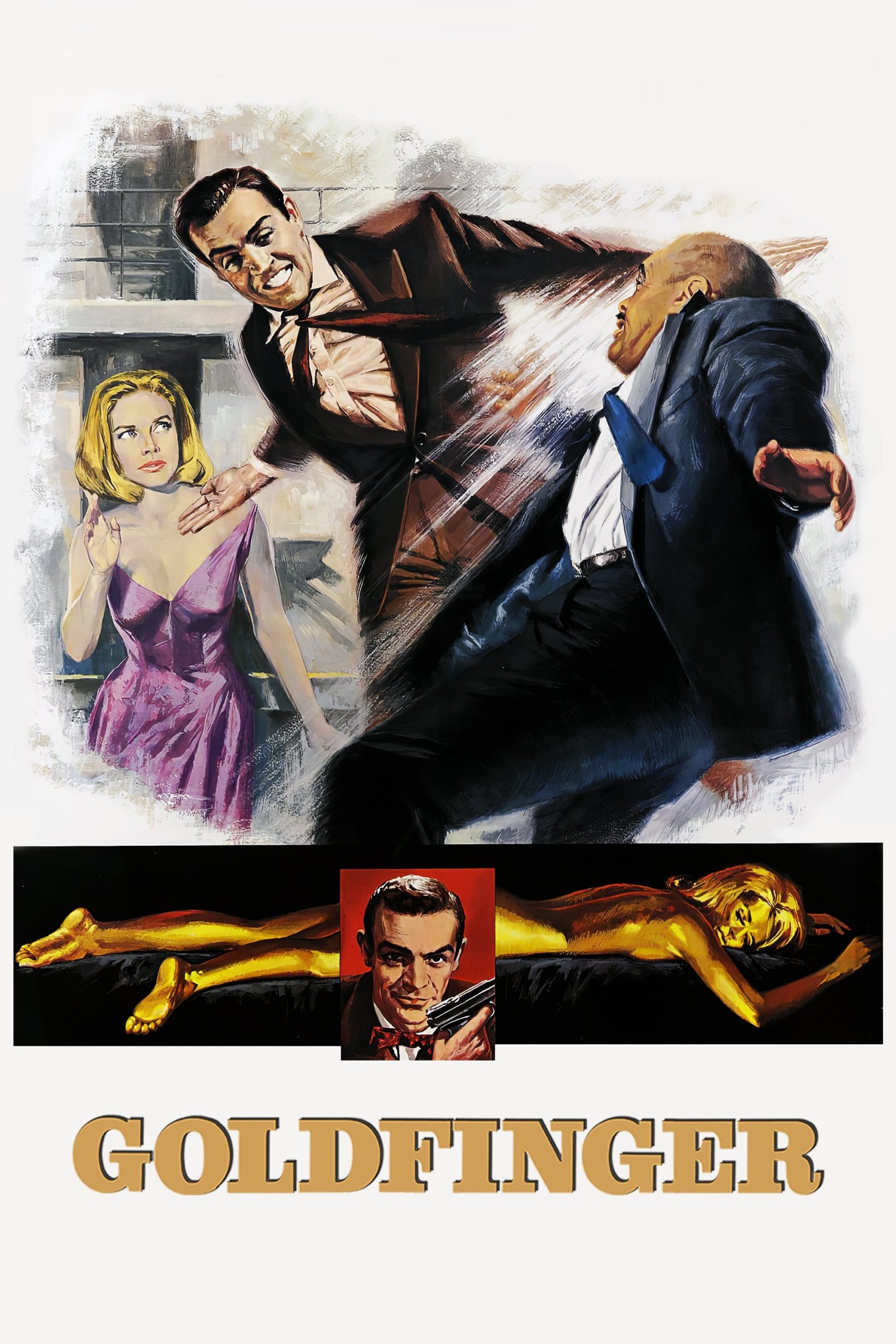
What strikes me about “Goldfinger” is how gold isn’t just a coveted mineral—it’s a character, a force, a trap. Every frame glows with some element of golden excess, whether in the villain’s gilded lair or in the infamous, chilling image of a woman’s body painted entirely in gold leaf. The film transforms gold from mere commodity to a symbol of obsession—where the boundaries between aspiration and annihilation blur. Auric Goldfinger, the villain whose very name fuses man and metal, isn’t just greedy; he’s consumed by a need to possess and control what cannot be truly owned. In this world, gold becomes not just wealth, but a moral test. Who resists its lure? Who surrenders?
James Bond: Weapon and Witness for the Modern Age
Watching Sean Connery’s Bond here, I notice a tension tugging beneath his cool. Bond is at once a master of his environment and a man constantly at risk of being swallowed by the same luxuries he wields as tools. His quips, so often cited for their bravado, are more than bravado—they’re armor. This Bond is not just an action hero, but an avatar of conflicted masculinity, navigating the temptations and threats of modernity. Every encounter—with gadgets, women, enemies—becomes a test of whether he can maintain autonomy in a world that promises power but threatens to consume those who dare to reach for it.
The Female Shadow: Pussy Galore and Gendered Power Plays
I found myself transfixed by the figure of Pussy Galore, whose name alone both parodies and critiques the franchise’s lusty excess. More than a mere love interest or adversary, she embodies a challenge to Bond’s—and the audience’s—assumptions. Pussy Galore represents a world where femininity is armed, independent, and ambiguous. Her struggle isn’t just with Bond, but with the structures of power that define her world. The film toys with the idea that anyone—man or woman—can be turned into another golden object, desired or discarded. In the infamous “barn scene,” the line between agency and coercion wobbles, a reminder that the currency of desire is rarely evenly exchanged.
Gilded Doom: Death by Beauty and the Siren’s Call
Jill Masterson’s golden death is one of the most haunting images in mainstream cinema. I’ll never forget how the painted corpse both attracts and repels, evoking the danger of seeking beauty or security in material things. This is the film’s cruelest metaphor: the pursuit of gold can suffocate what it touches; what promises immortality instead delivers annihilation. Gold is not just metal, but a state of mind—a fatal devotion that can entomb or obliterate those who seek its embrace. The image endures because it’s more than a plot device; it’s a warning etched in cinematic memory.
Industrial Grandeur and the Mechanization of Evil
The design of Goldfinger’s lair—its geometric precision, its mechanical marvels—could easily be mistaken for mere set dressing, but I sense something deeper. The fortress is both palace and prison, a monument to industrial achievement twisted into a factory for chaos. The mechanization on display isn’t just technical; it’s existential. In this universe, progress and profit risk becoming indistinguishable from violence and dehumanization. The plan to irradiate Fort Knox isn’t mere villainy—it’s a vision of power that sees the world as a grid to be manipulated, no matter the human cost.
The Art of Gadgets: Technology as Temptation and Trap
As a viewer, I’m seduced by the ingenious gadgets—exploding briefcases, tracking devices, and especially the iconic Aston Martin. Yet, I’m uneasy, too. These are tools of liberation that frequently become instruments of entrapment. The laser inching towards Bond’s body is the ultimate inversion: technology that promises precision but threatens destruction; ingenuity that edges too close to hubris. The film asks us to wonder: are we the masters of our devices, or do our creations inevitably ensnare us? The line keeps shifting, just as the beam moves inexorably towards its target.
Comedy in the Face of Fate: Irony as Moral Armor
I can’t ignore how often the film turns to humor, not just for relief but as a defense mechanism. Bond’s wit isn’t frivolous—it’s strategic, a way of keeping existential dread at bay. The film’s sly jokes and wordplay act as a buffer against a world obsessed with acquisition and control. In the hands of lesser filmmakers, this could have cheapened the stakes, but here it deepens them; to laugh is itself a form of resistance, a refusal to be fully seduced by the glittering surfaces and looming threats. The laughter is sharp, occasionally cruel, but always aware that the stakes are mortal.
Legacy Etched in Gold: Influence and Irony
Leaving “Goldfinger,” I’m always aware that I’ve witnessed a film that both defines and mocks its own genre. Its aesthetic precision and mythic scale linger, but so does its skepticism. At its heart, “Goldfinger” is a reflection on the perils of unchecked desire, the dangers of treating people and power as commodities. The film’s enduring influence—on spy thrillers, on action cinema, on pop culture—isn’t just a matter of style, but of subtext. The Bond who emerges at the end is not simply triumphant, but implicated; he survives, but at a cost that the film suggests may not be paid in full for some time.
If These Glimmering Shadows Appeal: My Two Recommendations
For those drawn to the seductive interplay of glamour and dread, or the spectacle of power turned back on itself, I always recommend these two classics: “North by Northwest” and “The Third Man.” Each explores, in its own unforgettable way, the shadows that lengthen when modernity’s brightest lights shine too fiercely.
If you’re curious about how this film was originally perceived or how it compares to similar works of its era, these resources may be helpful.
🎬 Check out today's best-selling movies on Amazon!
View Deals on Amazon