
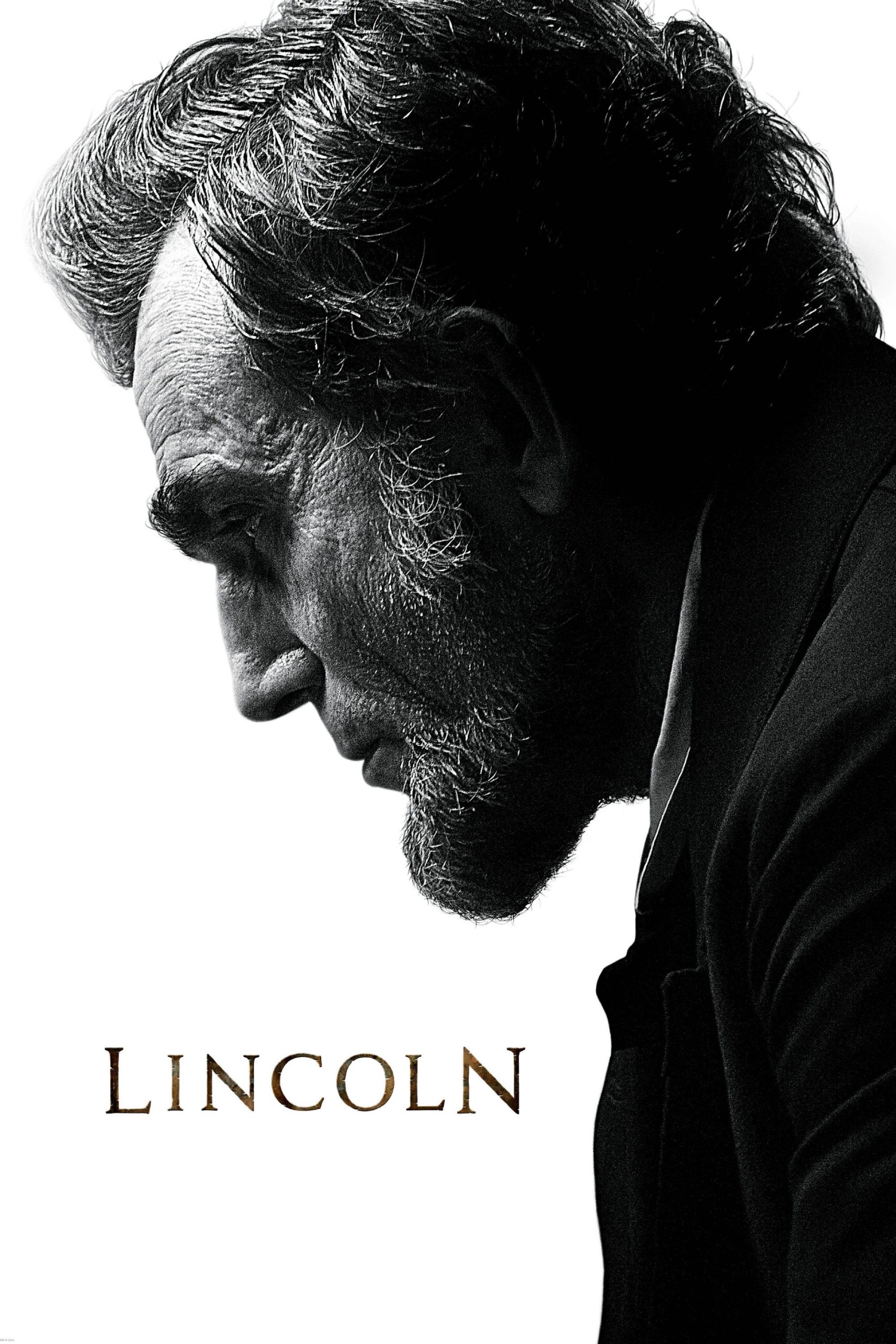
The Weight of Silence in the Halls of Power
The very first moment I sat down with “Lincoln,” I was immediately struck not by what was said, but by the gravity of the silences that permeate its frame. There’s a kind of thunder in the hush of government chambers, an almost physical heaviness to the gaps between sentences. These silences in Spielberg’s film aren’t empty; they’re loud with implication. Lincoln’s restraint—his preference for listening over pontificating—suggests that real leadership in times of crisis means knowing when to let the room breathe, when to gather the swirl of competing voices, and when to reveal your hand. Watching Daniel Day-Lewis’s Abraham Lincoln, I feel the immense solitude that binds a leader to his conscience. The film’s power emerges from these pauses, these waiting spaces, where the fate of a nation is shaped not by grand declarations, but by the quiet forging of resolve.
Ambition, Principle, and the Murky Ethics of Progress
I can’t separate myself from the film’s uncomfortable honesty about the cost of progress. “Lincoln” doesn’t allow us to rest in easy moral clarity. Instead, it exposes the messiness and moral ambiguity that accompany social change. Spielberg’s portrait of legislative maneuvering—full of favors, arm twisting, and outright manipulation—dismantles the myth of purity in politics. Here, the pursuit of the Thirteenth Amendment isn’t simply heroic; it’s a fraught negotiation between ideals and expediency. I find myself admiring Lincoln’s conviction, yet I’m unsettled by the compromises he engineers. When he sanctions the hiring of political operatives to secure votes, I sense the film’s central tension: Can righteousness survive the very human realities of ambition, egotism, and deal-making? I’m left grappling with whether history’s great victories are inevitably born from ethical grays, rather than black-and-white virtue.
History as a Living, Breathing Presence
What moves me most deeply is how the film refuses to sanctify its subject. “Lincoln” approaches the past not as something sacred and untouchable, but as an ongoing, malleable conversation. The film’s tactile textures—the scuffed boots, the rain-soaked streets, the flickering lamps—make history visceral, immediate, and thoroughly alive. Spielberg doesn’t present the Civil War era behind museum glass. Instead, it’s a place where pain is raw, where laughter is rare, and where the outcome is never a foregone conclusion. I keep returning to the sense that history, in this telling, is not just a backdrop, but a living force shaping and reshaping its protagonists. The moral debates of 1865 still pulse with relevance. The questions Lincoln faces—about equality, about the reach of executive power, about the responsibility of leaders to the future—feel as urgent now as they must have then. I’m reminded that the past is never truly past; it’s always breathing down our necks.
The Private Cost of Public Decisions
Time and again, Spielberg draws me into the private world behind the political drama. The home scenes between Abraham and Mary Todd Lincoln are almost unbearably intimate. Public life, the film insists, extracts a brutal toll on those who serve and those who love them. I watch Sally Field’s Mary, haunted by grief and fury, and see not a supporting character, but a living testament to the unseen sacrifices of political families. The constant specter of their lost son, the ache of another child at war, and the marital tension all underscore a fundamental truth: Leadership at this level demands a personal sacrifice that is both tragic and inescapable. The most enduring images aren’t always from the House floor or the White House office, but from the parlors and bedrooms where pain is laid bare. “Lincoln” suggests that history’s public victories are etched into the private wounds its makers carry.
Words as Weapons, Stories as Shields
I love how the film turns language itself into a battlefield. Lincoln’s penchant for stories and parables is more than mere folksiness—it’s a deliberate, strategic art. Every anecdote and metaphor is a weapon, a shield, a bridge. At moments when tempers threaten to explode, or when the way forward is clouded by distrust, Lincoln reaches for narrative. I see how his gift for storytelling isn’t just charisma; it’s how he reframes the debate, bends the moral arc, and diffuses opposition. Spielberg and Tony Kushner, the screenwriter, let Lincoln’s words linger, giving them space to work their magic—or mischief. The film is conscious of its own artistry with language. By foregrounding Lincoln’s rhetorical genius, the film explores how the right words, at the right moment, can shape destiny as surely as rifles or ballots. I’m left marveling at the paradox: in the nation’s most violent hour, words remain its most potent force.
Between Idealism and Weariness: The Burdened Face of Hope
No matter how often I revisit “Lincoln,” I’m haunted by the weariness in Day-Lewis’s performance. His Lincoln is a man battered by disappointment, his optimism tempered by loss, and yet—crucially—still animated by hope. The film resists triumphalism. Even as the Thirteenth Amendment narrowly passes, the mood isn’t celebratory, but exhausted. I sense a deep sadness underneath the historic moment, as if the cost of change—measured in lives lost and trust broken—leaves little space for jubilation. Yet, there’s a flicker of faith that tomorrow might be better. “Lincoln” ultimately meditates on the paradox of progress: every step forward is bought with pain, but hope endures precisely because it is hard-won. The film’s final sequences, shrouded in twilight, strike me as an epitaph not just for a president, but for the dreams of a battered nation struggling to heal.
The Messy Anatomy of Democracy
I often find myself returning to the film’s portrayal of democracy—not as a gleaming ideal, but as a messy, contentious, deeply human process. The House of Representatives scenes pulse with chaos, bitterness, and, occasionally, unexpected grace. Democracy here is not about certainty or harmony, but about the constant, agonizing negotiation between competing values, interests, and egos. I see the ugliness: racism shouted from the floor, personal vendettas lurking behind every procedural maneuver. Yet I also see something miraculous in the willingness of flawed men to be moved—to change their votes, to risk their reputations for the possibility of something greater. “Lincoln” insists that the soul of democracy resides not in perfection, but in the courage to struggle, falter, and nevertheless act. The film’s greatest meaning, for me, lies in its unsparing faith that even the most discordant debates can bend, however painfully, toward justice.
Two Kindred Films from the Canon
For those drawn to the moral complexity, the burden of leadership, or the unvarnished view of democracy that “Lincoln” embodies, I find myself reaching for two other classic films:
- “All the King’s Men” – A searing look at the seductions and perils of political ambition, where victory carries an unbearable cost.
- “Mr. Smith Goes to Washington” – An idealist’s struggle in the corrupted halls of Congress, where faith in democracy is tested by cynicism and compromise.
If you’re curious about how this film was originally perceived or how it compares to similar works of its era, these resources may be helpful.
🎬 Check out today's best-selling movies on Amazon!
View Deals on Amazon