
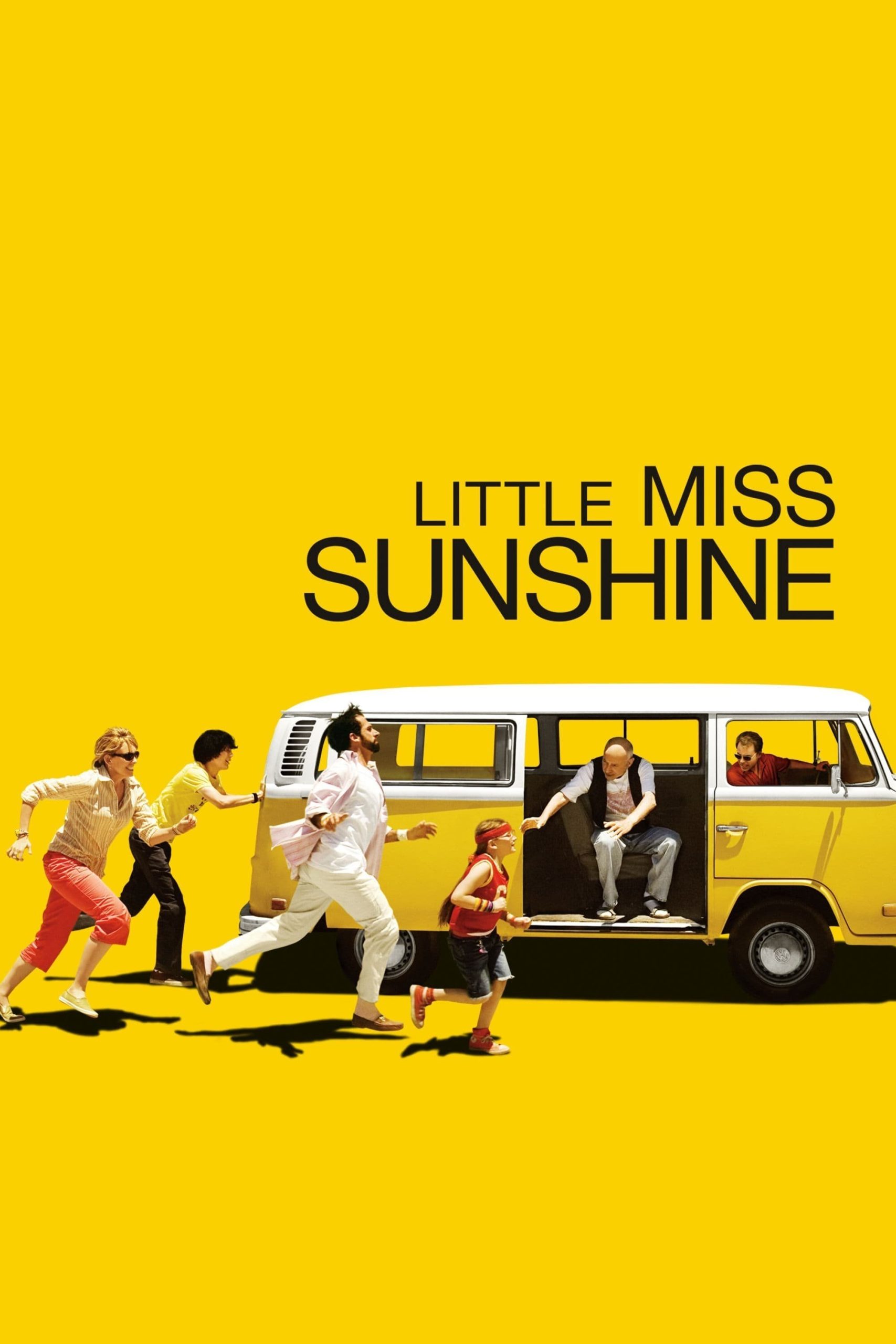
The first time I watched “Little Miss Sunshine,” it was late, my dinner was still burning on the stove, and by the end credits, I found myself just sitting—motionless, contemplating the mayhem and warmth stitched together on screen. There is a unique, almost chaotic, comfort to the film; its jagged rhythms and biting humor reminded me instantly of the dysfunctional road trips etched into my own past. What draws me back to this film isn’t just its quirkiness or the cult following it has amassed—it’s the relentless honesty with which it peels back the illusions of American “success.” I remember wondering, even at that initial viewing, how we all keep pretending everything is okay when nothing, absolutely nothing, is going according to plan—and realizing that sometimes it’s the messiness that’s most worth loving.
What the Film Is About
To my eyes, “Little Miss Sunshine” isn’t simply a film about a family’s cross-country trek to a children’s beauty pageant; it is a raw, comic meditation on disappointment and resilience. The Hoover family, with each member radiating their own peculiar despair, is hurled together in a battered yellow VW van, tethered by the barely-held-together fragments of love and obligation. The film’s emotional engine is failure—personal, professional, existential—and the guileless hopefulness of a young girl who doesn’t yet understand the world’s appetite for conformity.
Much of the film’s magic lies in the way it allows these characters to fail—publicly, humiliatingly, even spectacularly—and then, through a kind of battered grace, insists that love is not found in achievement, but in solidarity. I find myself deeply moved by how the Hoovers grapple not just with losing (the job, the contest, the dream), but with the compulsion to measure worth at all. There is a ferocious honesty to the characters’ emotional journeys; their familial conflicts mirror internal battles with insecurity, longing, and the fear of being ordinary. What the filmmakers seem to be saying, in their own strange cadence, is that the road to fulfillment is lined with detours of loss—that it’s okay, even necessary, to admit when you’re broken down.
Core Themes
I have always been drawn to films that interrogate the myths we grow up with, and “Little Miss Sunshine” does so through its examination of the cult of success, the price of authenticity, and the resilience found in togetherness. The film’s central question—what does it really mean to be a “winner”?—is both timely and timeless. In a society obsessed with exceptionalism and image, the Hoovers’ messy saga lands like a necessary corrective. As a viewer in 2006, I found its critique of the rat race both subversive and familiar; nearly two decades later, its themes are, if anything, even more urgent as social media culture heightens the performative pressures of “making it.”
I’m also struck by the film’s nuanced exploration of individuality versus conformity. Olive’s innocent longing to compete in a beauty pageant becomes a microcosm for the broader chase for acceptance. Yet, the film never mocks her sincerity—it undermines the system instead. Watching it now, I appreciate how fearlessly “Little Miss Sunshine” champions difference, not as a virtue-signaling pose, but as an act of survival and quiet rebellion against the prescribed formulas for happiness. The final theme that lingers for me is the sanctity of family, not as a Hallmark ideal, but as a messy, evolving experience that flourishes precisely because of imperfection.
Symbolism & Motifs
The iconography of “Little Miss Sunshine” is as indelible as its dialogue. The yellow VW bus is, for me, the film’s most potent symbol—a vehicle that is perpetually malfunctioning, yet somehow still moving forward. It becomes a phantom limb representing hope and tenacity: every time the Hoovers collectively push-start the van, I see the visual metaphor for how real families function, forced to gather momentum together when individual engines stall. The van’s battered state is no accident; it’s a rolling emblem of imperfection and a critique of the shiny, unattainable units that populate commercials and sitcoms.
Another recurring motif is the act of performing. From Richard’s self-help lectures to Olive’s routine preparations, the film is littered with moments where characters “act” for an audience—sometimes literal, sometimes metaphorical. In my interpretation, these recurring performances, whether public or private, underscore the anxiety of living for external validation, and the relief found in abandoning the script. And then there’s the color yellow: from the van to Olive’s costumes, it radiates throughout the film as a paradox, both cheerful and anxious, hopeful and cautionary—a chromatic reminder that joy always carries an edge of risk.
Key Scenes
The Van’s Emergency Start—Reluctant Unity
One of the most crucial moments for me is the chaotic dance that ensues every time the van breaks down and the entire family must unite to keep their journey going. There is a rough, physical comedy to it, but what I see most is symbolic: the only way out of inertia—literal or metaphoric—is togetherness, no matter how clumsy or resentful.
Dwayne’s Silent Breakdown—The Cost of Conformity
The single, shattering moment when Dwayne learns he is colorblind remains, in my mind, the heart of the film’s emotional honesty. His primal scream, unleashed across a dusty ridge, is a cathartic release—not only of one character’s stunted hopes, but of the wider toll taken by the pressure to fit a preordained mold. Here, isolation and connection collide; what matters isn’t just the pain, but the way Olive, in her pure affinity, interrupts it with a healing gesture.
The Final Pageant—Subversive Solidarity
Nothing encapsulates the “Little Miss Sunshine” philosophy better than Olive’s climactic performance. While her hyper-sexualized fellow contestants embody the suffocating standards of adulthood imposed on children, Olive’s routine—absurd, defiant, and supported by her family—lays bare the absurdity of it all. In that spectacle of joyous, awkward defiance, the film stages a subversive rebellion: here, losing is winning; ridicule becomes empowerment; and love, not judgment, carries the day.
Common Interpretations
Many critics have read “Little Miss Sunshine” chiefly as a satire of American exceptionalism and the self-help movement. They often cite its gentle mockery of beauty pageants and self-improvement gurus, framing the Hoovers as casualties of a failed meritocracy. I think these interpretations are perceptive—a large part of the film’s humor is built on upending those ideals—but I believe they sometimes miss a deeper tenderness toward even the most deluded characters. For me, the tragedy of Richard’s relentless optimism or Frank’s world-weariness lies not in their delusions, but in their bravery to keep hoping at all.
Some analyses focus on the film’s appeal as “quirky indie fare,” emphasizing its offbeat tone and sharp dialogue. While these elements undoubtedly give “Little Miss Sunshine” its flavor, what captivates me is how the film uses quirk not as an end in itself, but as a kind of emotional armor. Its oddness is less a stylistic flourish than a shield against a world that demands too much neatness and too little empathy. The laughter, I believe, is survival.
Films with Similar Themes
- The Royal Tenenbaums – Like “Little Miss Sunshine,” this film explores familial dysfunction and the search for identity within a broken family structure. Themes of failure, hope, and reconciliation echo throughout both movies.
- Little Children – Another 2006 release, it examines the absurdity and quiet longing beneath suburban life, using satire to question conventional metrics of happiness and success.
- About Schmidt – This story of a man rediscovering meaning after retirement mirrors the existential crises faced by several Hoover family members as they grapple with lost dreams and unexpected new beginnings.
- Sideways – An intimate portrait of disappointment and friendship, “Sideways” uses a road trip narrative to unravel the myths of self-worth and the nature of healing, much like “Little Miss Sunshine.”
In Closing: A Roadmap for Today’s Viewers
Returning to “Little Miss Sunshine” now, I’m struck by how fearlessly it insists that it’s okay to fall apart—and that real connection is most often forged not in triumph, but in mutual vulnerability. Modern viewers can approach the film as both a time-capsule of 2000s anxieties and a blueprint for collective resilience. To truly experience its value, I believe one must watch not with an eye for cynicism, but with the willingness to see beauty in the breakdown.
Understanding the film’s themes of togetherness, authenticity, and subversion sharpens the sense of catharsis “Little Miss Sunshine” has always offered me—a reminder that the best we can do, so often, is to push the van together and keep going.
Related Reviews
If you found value in my perspective, you might also enjoy exploring my thoughts on other cinematic landmarks such as The Royal Tenenbaums and Sideways.
To broaden this interpretation, you may also explore how critics and audiences responded over time.
🎬 Check out today's best-selling movies on Amazon!
View Deals on Amazon