
When Machines Outrun the Heart
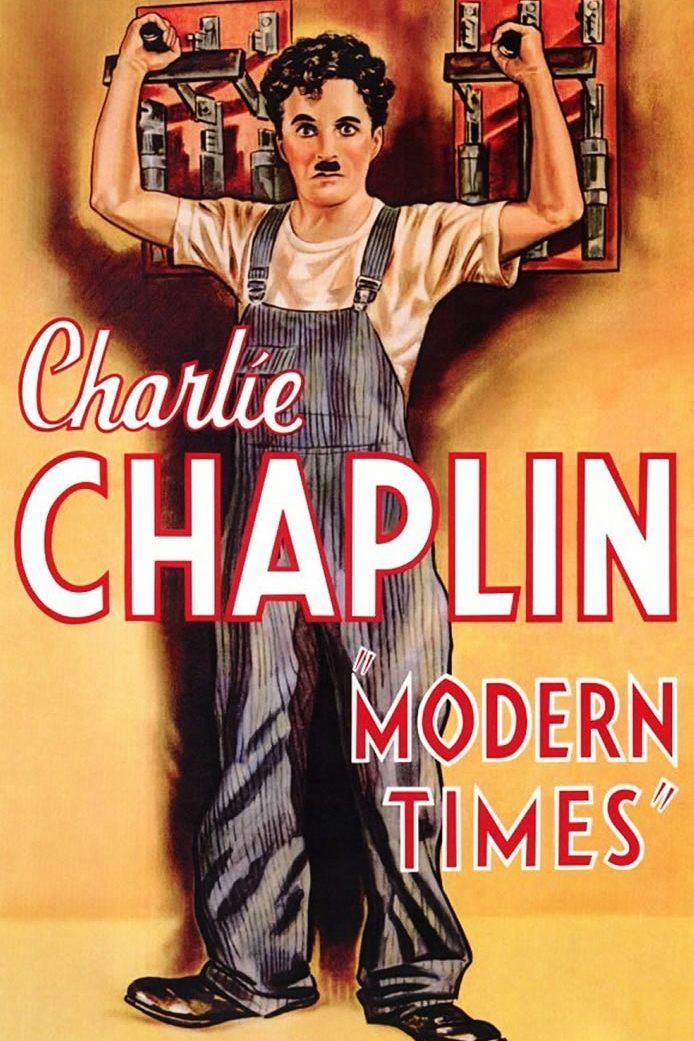
I’ve never felt anxiety surge up my spine quite like it does when I watch Chaplin’s Little Tramp tangled in the relentless gears of the factory line. There’s a peculiar, almost perverse delight in watching him slide through the cogs, his body at the mercy of pistons and levers, but beneath the slapstick, I sense a dangerous kind of exhaustion. For me, “Modern Times” isn’t just a comedy or a satire – it’s a profoundly personal warning about how the world might strip away our humanity in the name of progress. What lingers after the laughs is the ache of a life measured in punched clocks and conveyor belts, where the soul gets left behind in a fog of steam and steel.
The Rhythm of Survival in a Mechanical World
Each time I revisit “Modern Times,” I’m struck by how Chaplin turns rhythm into a weapon. The film’s pulse is dictated by the march of industry: the whir of gears, the hiss of steam, the clatter of assembly lines. The Tramp’s attempts to keep up with this tempo – his body twitching and spasming after endless hours of tightening bolts – feel less like physical comedy and more like a struggle for dignity. Chaplin’s movements are poetry written against the regularity of the machine, and every gag doubles as a protest against a world that punishes individuality. I see in these frantic gestures a stubborn refusal to be absorbed, a small rebellion enacted through every failed attempt to conform.
The Gamine and the Art of Holding On
When I watch Paulette Goddard’s Gamine leap over the bakery counter, clutching stolen bread with wild, desperate eyes, I don’t just see a partner-in-crime for the Tramp – I see a kindred soul fighting to preserve her own spark. Her energy vibrates with hunger, not just for food, but for a piece of life unmediated by poverty or authority. The way she clings to the Tramp isn’t romantic escapism; it’s survival, pure and simple. Together, they create fleeting sanctuaries – a shack patched together with found boards, a fantasy home glimpsed through a shop window – and for a moment, I believe with them that resilience might be enough. Their dream is fragile, but it’s real, and I sense how it nourishes them just enough to keep going.
Speech, Silence, and the Voice of the Machine
One sequence sits with me long after the credits: the infamous scene where Chaplin’s Tramp, forced to sing for his supper, launches into a gibberish song. The words are nonsense, yet the feeling is heartbreakingly clear. This is Chaplin’s sly answer to the dawning era of sound cinema – a reminder that meaning often slips through the cracks of language. In a world where the only clear voices belong to bosses barking over intercoms, the Tramp’s nonsense song feels like a last stand for genuine self-expression. It’s as though he’s saying, “If you won’t let me speak in my own words, I’ll invent a language you can’t control.” The film’s sparse use of sound isn’t just nostalgia for the silent era – it’s a deliberate act of resistance against the homogenization of human voices.
Starvation and Delight: The Double Edge of Progress
I find myself haunted by the “feeding machine” scene – an absurd invention designed to increase productivity by feeding workers without wasting a second on lunch breaks. The machine malfunctions, of course, and the Tramp is smothered in pie and soup. It’s hilarious, but I can’t help noticing the undercurrent of horror. This is progress gone berserk: technology wielded not for liberation, but for total control. Chaplin’s genius is in making us laugh at the horror, then making us realize the horror in our laughter. The scene becomes a microcosm of the entire film: the things that are supposed to nourish us are harnessed to starve us instead, and we’re left trying to keep our heads above the mechanical tide.
The Police State as Everyday Reality
There’s an unease that takes root each time the Tramp is swept up by police – for striking, for merely being in the wrong place, for helping someone in need. Authority in “Modern Times” is faceless, arbitrary, and omnipresent. I’m unsettled by how easily lives are upended by accident or misunderstanding, how quickly hope is dashed by the clang of prison gates. For Chaplin, the threat isn’t just poverty – it’s the feeling of always being watched, always being one mistake away from disaster. In every comic chase I sense a gravity: the impossibility of safety in a world that refuses to see you as anything more than a cog or a case number.
Dreaming on the Margins
There’s one image from “Modern Times” that I return to again and again: the Tramp and the Gamine, arm in arm, trudging down an endless road at dawn. That walk is the film’s quietest rebellion – an insistence that wonder and hope can survive even when everything else has been stripped away. They have nothing, and yet in their laughter and shared glances, they possess a kind of wealth the system can never understand. This isn’t a promise of victory; it’s a promise to keep moving despite defeat. The weary optimism of that final scene is, for me, one of the bravest statements cinema has ever made. It’s not naive – it’s an act of faith in the face of the unforgiving.
The Joy of Defiance Laced with Sorrow
What makes “Modern Times” feel so alive, so urgent, is its refusal to sit quietly within any genre or expectation. Chaplin blends slapstick, romance, tragedy, and political commentary into something uniquely bittersweet. Every pratfall lands with the weight of social critique, and every tender exchange is shadowed by the world outside. There’s joy, yes, but it’s a defiant joy – the kind that refuses to let the world win, if only for another day. When I watch the Tramp, I don’t just see an underdog; I see a symbol of everyone who’s been crushed by progress yet refuses to be erased. His smile is a weapon, and his resilience is a quiet kind of victory.
If “Modern Times” Spoke to You, Try These Journeys
Some films echo with the same ache and resilience I find in “Modern Times.” If you’re drawn to stories where humanity collides with the machinery of the world, where humor and heartbreak walk hand in hand, I’d recommend seeking out:
- The Crowd (1928)
- Ikiru (1952)
If you’re curious about how this film was originally perceived or how it compares to similar works of its era, these resources may be helpful.
🎬 Check out today's best-selling movies on Amazon!
View Deals on Amazon