
Loneliness in the Dust: My First Encounter with Steinbeck’s Shadows
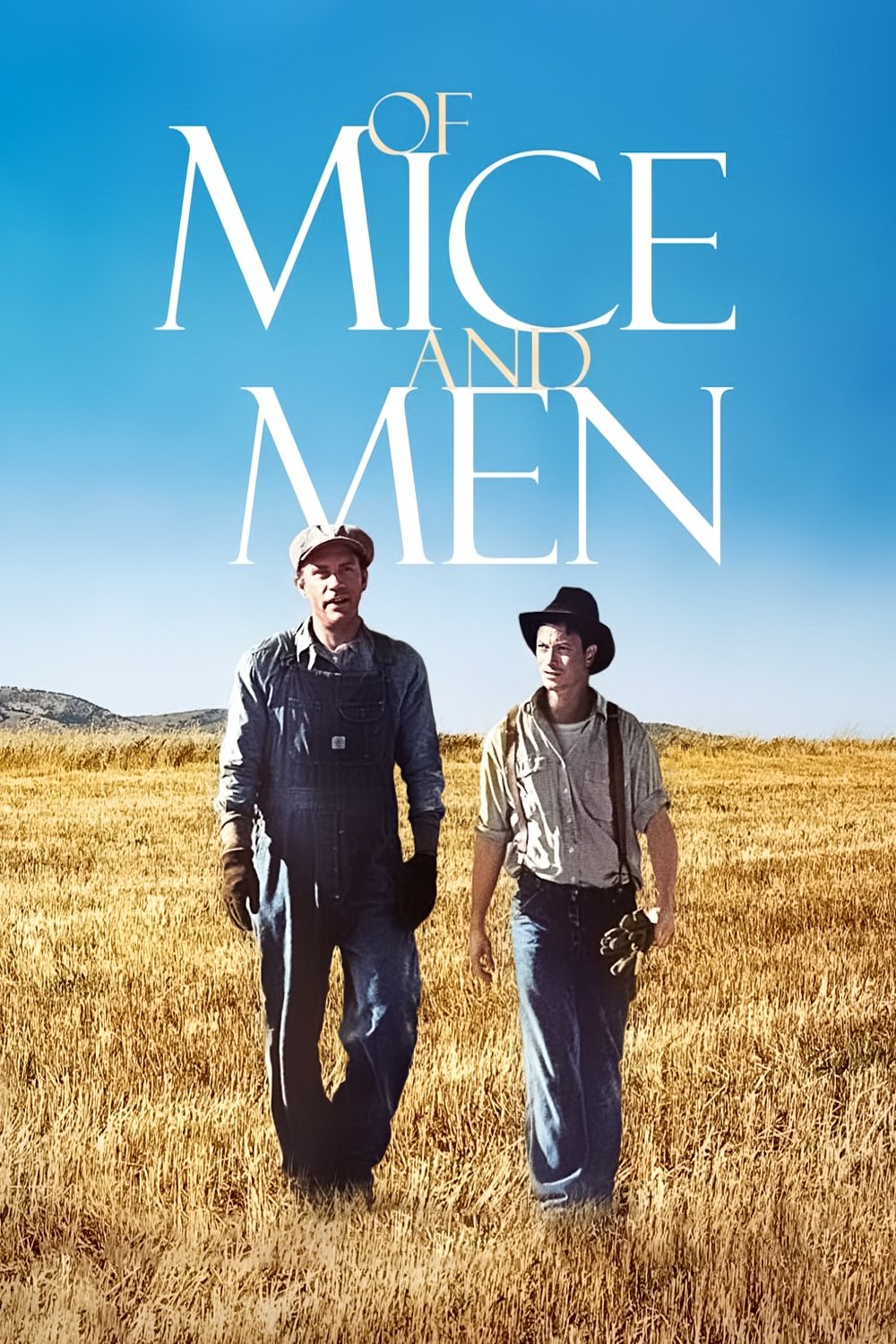
It’s strange how a barren landscape can feel so full of ghosts. Watching Gary Sinise’s Of Mice and Men (1992), I was struck by the ache of emptiness that seeps into every frame—a deliberate artistic choice that never lets you forget the isolation gnawing at every character. This isn’t merely a story of the Great Depression; it’s an elegy for every hope that dies quietly in the California heat. From the first moment, I found myself less focused on Lennie and George as personalities and more attuned to the unspoken distance that yawns between them, and between all the men adrift in this bleak world.
Dreams That Wither Beneath the Surface
What haunts me most about this adaptation is how it renders the men’s yearning for something better—not as bright aspirations, but as fragile, even delusional lifelines. Lennie and George’s plan for a farm becomes something I can almost taste, but Sinise frames it as if the very earth conspires against these wishes. The film’s sun-bleached fields and the way the light flickers across worn faces reminded me that hope, here, is less a possibility than a trick of the eye. The men’s restlessness isn’t heroic, but desperate, palpable in the way George’s voice cracks when he repeats the old story, or the way Lennie’s eyes glaze with a child’s stubborn belief. It becomes clear that these dreams are not simply unattainable—they’re illusions that briefly stave off despair.
Unspoken Grief: The Language of Touch and Silence
Sinise’s direction lingers on Lennie’s hands—a motif I found especially moving. He wants so badly to connect, to feel softness, to belong. But these same hands, guided by innocent longing, always bring destruction. The tactile obsession is a heartbreaking metaphor for the human need for connection, and the inescapable tragedy that occurs when one’s own nature sabotages that need. Scenes of silence between the characters, particularly between George and Lennie, reveal oceans of sorrow. It’s in these silent exchanges that I felt the rawest sense of loss: the impossibility of communication, the weight of unspoken apologies, the echo of grief that words can’t hold.
The Cruelty of Mercy: Moral Paradoxes in Every Choice
I can never shake the film’s climactic choice, that moment of so-called mercy that George delivers. Most adaptations gloss over the moral horror of it, but here, Sinise refuses to let the audience off the hook. I saw George’s final act not as a clean gesture of love, but as a deeply ambiguous mercy—an act as much about his own survival as Lennie’s peace. The gunshot doesn’t erase pain; it transmits it, like an infection, into the spaces between every character left standing. The camera lingers on George’s face, hollow with guilt, and I am left wondering if his mercy is just another form of defeat. The film’s refusal to sanctify George’s choice is, to me, its most honest moment.
Curley’s Wife: The Unforgiven Outsider
Few performances in the film have haunted me like that of Sherilyn Fenn as Curley’s wife. The script could easily reduce her to a symbol—“trouble” in bright lipstick. Instead, she emerges as the novel’s loneliest phantom, yearning for recognition and forever denied it. Her scenes bristle with the injustice of a world that punishes women’s longing as sharply as it does men’s failure. I watched as she tried, again and again, to find someone who would simply see her. Each failed attempt is more than a plot device; it’s a meditation on the dangers of isolation and the violence bred by invisibility. When tragedy finally befalls her, the camera doesn’t flinch. Sinise makes us stare at the cost of exclusion, and I felt complicit in her erasure.
Every Stranger’s a Mirror: The Itinerant Brotherhood
One of the film’s deepest sorrows is the way it portrays the bunkhouse as both shelter and prison. The men are a community not by choice, but by the accident of shared suffering. Watching their nightly rituals—cards, quiet jokes, the endless repetition of the day’s events—I was reminded of how desperation forges unlikely bonds. Candy, Crooks, Slim: each is broken in a different way, but together they form a temporary brotherhood, fragile as a spider’s silk. The film asks whether kinship built on mutual need can ever truly save anyone, or whether such brotherhood is itself a kind of exile. For me, the answer remains as muddled and painful as the friendships themselves.
The Land as Enemy and Refuge
Somehow, the landscape in Of Mice and Men becomes more than a setting. The endless fields, the dusty paths, the banks of the river—they are not neutral grounds. The land offers respite and menace in equal measure; it promises freedom but delivers only exhaustion and disappointment. As I watched, I noticed how Sinise’s camerawork renders the natural world as both a backdrop for human struggle and an active force shaping it. The riverbank, in particular, is a place of cyclical return—a site of refuge that becomes a graveyard for dreams. The film’s final images lingered with me, as if the landscape itself mourned those who failed to conquer it.
Insistence on Dignity Amid Ruin
What ultimately gives the film its enduring sting is its insistence that dignity matters, even as the world strips it away. There’s a quiet heroism in George’s refusal to abandon Lennie, in Candy’s desperate hope to join their plan, in Crooks’s momentary willingness to believe he might belong. The film’s greatest tragedy isn’t Lennie’s fate, but the way dignity becomes a faint flicker in a universe indifferent to it. Watching these characters strive for decency in a system rigged against them, I felt the full weight of Steinbeck’s original critique. Sinise’s adaptation refuses to sentimentalize this struggle—he lets their efforts fail, and in doing so highlights the nobility of the attempt itself.
Two Shadows on the Road: Further Watching for Kindred Souls
If the spiritual and emotional tremors of Of Mice and Men echo for you as they do for me, there are a few classic films I must recommend—works that likewise wrestle with hopelessness, longing, and the search for connection against indifferent odds.
- The Grapes of Wrath
- The Ox-Bow Incident
If you’re curious about how this film was originally perceived or how it compares to similar works of its era, these resources may be helpful.
🎬 Check out today's best-selling movies on Amazon!
View Deals on Amazon