
What the Film Is About
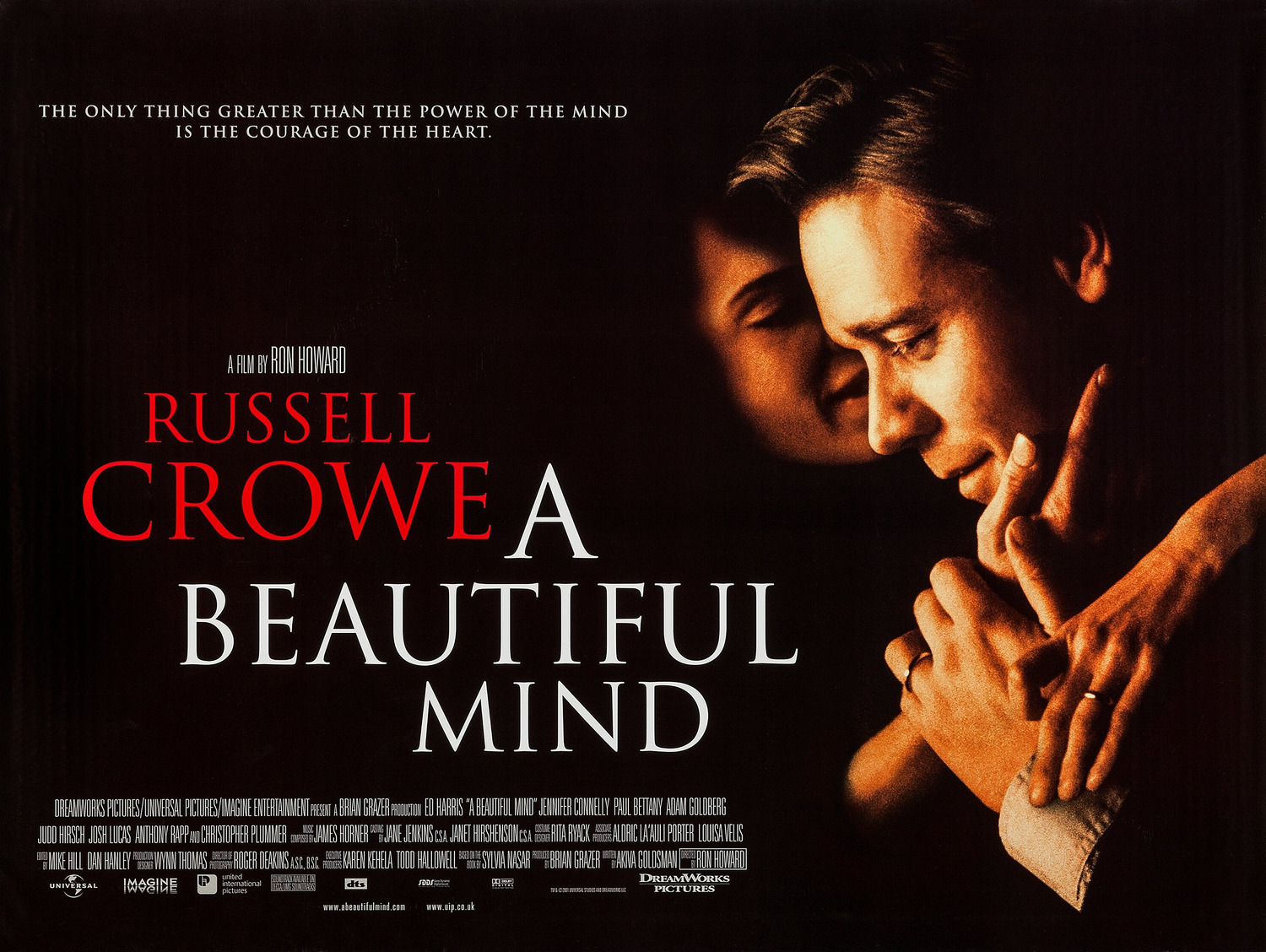
“A Beautiful Mind” is an exploration of the triumphs and tribulations of John Nash, a brilliant mathematician whose mind battles both extraordinary genius and devastating illness. Instead of simply charting Nash’s rise and fall, the film immerses viewers in his psychological landscape, making his interior struggles and moments of clarity equally vivid. At its core, the narrative examines the tension between intellect and instability, charting an emotional journey from youthful ambition through the isolating maze of mental illness, and ultimately toward acceptance and reconciliation.
The central conflict is less about the battle for academic or professional success, and more an introspective war within Nash himself—a struggle to separate reality from delusion, love from loneliness, and self-worth from social affirmation. The film’s emotional direction is one of hard-won understanding, both for Nash and for those who care for him. His journey is defined by vulnerability, resilience, and the restorative potential of human connection in the face of relentless inner turmoil.
Core Themes
“A Beautiful Mind” delves deeply into the boundaries of genius and madness, exploring the nature of identity and the stigma surrounding mental illness. One of the film’s most enduring themes is the duality of the human mind—the paradox that brilliance and suffering often coexist, and that the very traits which enable innovation can also lead to personal crisis.
Another primary theme is the enduring, redemptive power of love and empathy. The film posits that intellectual achievements, while admirable, are incomplete without meaningful connections and understanding from others. Through Nash’s relationship with his wife Alicia, the story illustrates that emotional support can be the anchor for those adrift in psychological distress, offering a path toward recovery that pure logic cannot provide.
The movie also grapples with issues of perception versus reality. It questions the reliability of our senses and the narratives we construct, suggesting that reality can be highly subjective and internally negotiated. This was especially poignant at the turn of the millennium, as mental health awareness was emerging into broader public consciousness, breaking down stigmas and fostering conversations that continue to evolve today.
Symbolism & Motifs
Throughout “A Beautiful Mind,” certain symbols and recurring motifs enrich the film’s central questions. One prominent motif is the use of reflective and refractive surfaces—mirrors, windows, and glass. These objects echo Nash’s fractured perception of the world; the way he sees reality is consistently filtered and sometimes distorted. Visually, these motifs underscore the difficulty of distinguishing reality from illusion, reinforcing the film’s psychological tension.
Another key symbol is the numerical code—mathematical patterns that Nash sees embedded in seemingly random events. These codes represent both his intellectual prowess and his susceptibility to delusion, blurring the distinction between insight and obsession. The idea that meaning can be invented as easily as discovered becomes a metaphor for the struggle to trust one’s own mind.
Finally, the motif of doors—variously locked, closed, or finally opening—serves as a metaphor for access to understanding, connection, and healing. Passing through these thresholds marks Nash’s pivotal decisions, both internally and in his relationships. Together, these motifs provide visual shorthand for the themes of alienation, discovery, and tentative hope.
Key Scenes
Key Scene 1
One of the most significant scenes occurs when Nash, in his prime at Princeton, first begins to see patterns in everyday randomness. This moment is crucial because it initially appears to be the spark of genius—the turning of intellectual gears that promises greatness. But the same moment plants the seeds of his later struggles, introducing audiences to the blurred edge between brilliant insight and the abyss of obsession. It encapsulates the film’s message that genius is not unambiguously a gift; it is bound up with risks and costs. Through visual cues and Nash’s own fervent expressions, the film communicates both the excitement and the danger of living in one’s own mind.
Key Scene 2
A later, emotionally charged scene depicts Nash’s confrontation with his hallucinations—particularly when he finally understands that what he has been experiencing is not reality. This scene radically develops the film’s central theme of perception versus reality, as Nash’s journey pivots from denial to acceptance. It reveals not just the pain of losing one’s certainty, but also the strength required to willfully choose reality over comforting delusion. The way Nash negotiates with his own mind—seeking the courage to function despite its unreliability—captures the film’s recognition of ongoing struggle and tentative hope, rather than outright triumph or defeat.
Key Scene 3
In the final key scene, Nash returns to Princeton and finds professional acceptance after years in obscurity. As he is symbolically handed the pens—a gesture of respect from his colleagues—the film’s message culminates: self-worth and dignity can survive, and even thrive, amidst imperfection and struggle. This scene stands as a testament to resilience, showing that while Nash’s internal conflict never fully disappears, he and those around him learn to honor his achievements without denying his vulnerabilities. The gesture affirms the possibility of societal acceptance for those who are “different,” encouraging a more compassionate view of human frailty.
Common Interpretations
Critics and audiences have generally interpreted “A Beautiful Mind” as a meditation on the coexistence of genius and madness and a plea for greater empathy toward those suffering from mental illness. The most prevalent reading emphasizes the film’s hopeful message—that love and understanding can provide critical support, if not total cure, for those experiencing psychological struggles. Many see the film as a celebration of perseverance, dignity, and the recovery of self through relationships and community acceptance.
An alternative but widely accepted interpretation considers the film a commentary on the subjective nature of reality itself. Some critics argue that the movie’s narrative structure, which immerses viewers in Nash’s own delusions before unveiling the truth, mirrors the broader human condition: everyone is, to some degree, vulnerable to illusions and misperceptions. This reading shifts the focus from Nash as an isolated figure to a broader meditation on trust, skepticism, and humility.
Finally, some commentators suggest that the film can be seen as a critique of how society values intellect at the expense of mental well-being, raising questions about the pressures placed on the gifted and the cost of relentless pursuit of recognition and success. Still, these interpretations tend to converge on the idea that understanding and compassion are foundational for both individuals and communities, especially when confronting the frailties of the mind.
Films with Similar Themes
- Shine – Explores the personal toll of artistic genius and the struggle with mental illness, centering on pianist David Helfgott’s journey between brilliance and breakdown.
- Good Will Hunting – Examines the tension between extraordinary intellect and emotional vulnerability, emphasizing the healing power of human connection and self-acceptance.
- The Theory of Everything – Portrays the real-life challenges of Stephen Hawking as he navigates scientific achievement, physical decline, and the sustaining force of love.
- Pi – Focuses on a gifted mathematician’s descent into obsession and paranoia, using mathematical patterns as a metaphor for the limits and dangers of the searching mind.
Ultimately, “A Beautiful Mind” communicates a profound message about the multifaceted nature of human existence. Through its honest portrayal of psychological struggle and the importance of empathy, the film offers hope without sentimentality, dignity without denial, and acceptance without resignation. It challenges viewers to reconsider simplistic notions of genius and madness, urging a deeper understanding of the complexities that shape lives, communities, and societies. The story’s resonance endures because it reminds us that to be human is to grapple with ambiguity, to persist despite adversity, and to seek meaning not just in success, but in connection, humility, and compassion.