
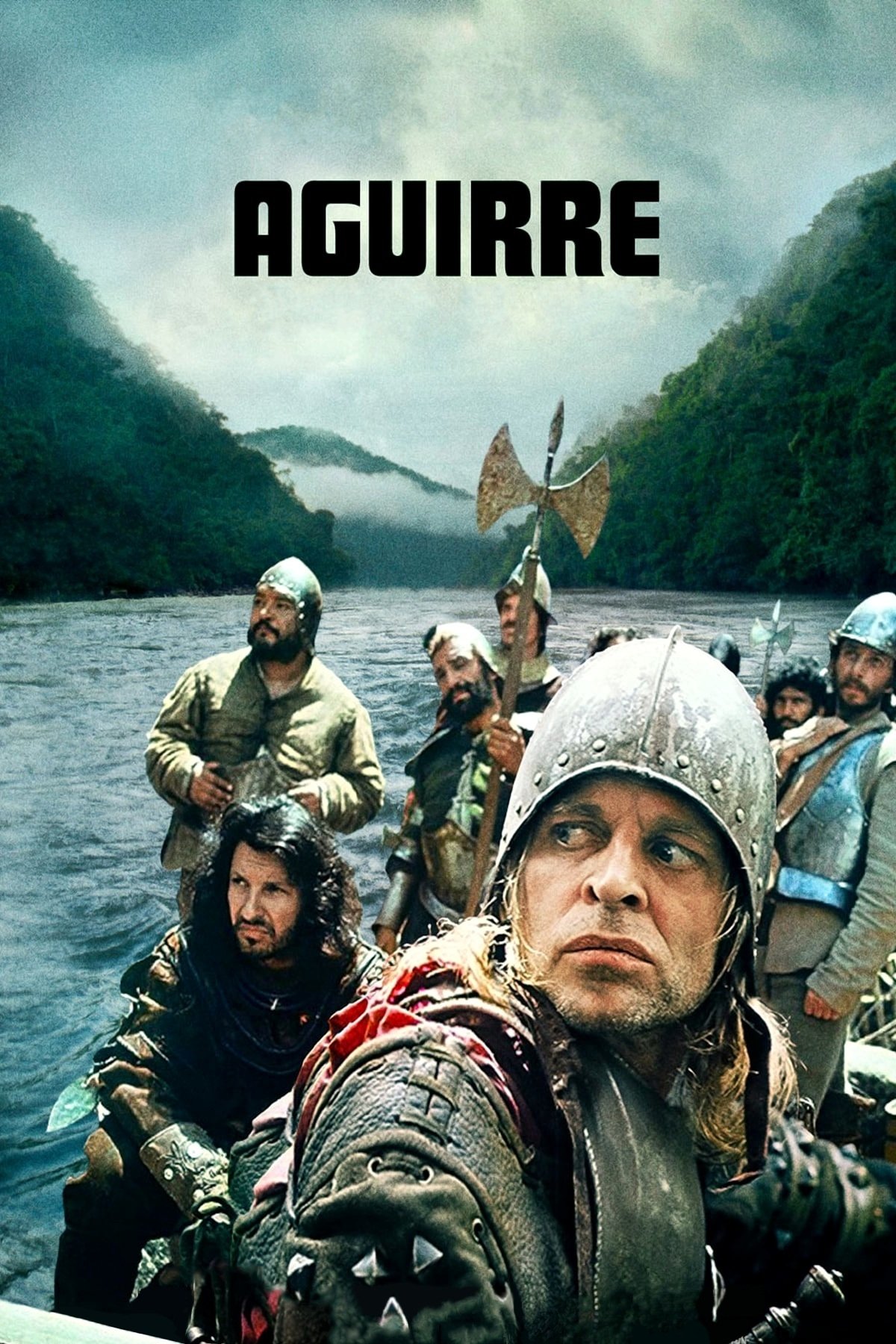
What the Film Is About
Werner Herzog’s Aguirre, the Wrath of God is an intense meditation on the destructive depths of human ambition and the delusions that can grow unchecked in hostile, unfamiliar territories. Set amidst the dense and treacherous jungles of 16th-century South America, the film does not just track a historical expedition; it immerses the audience in psychological and existential unease. The emotional center of the film is driven by the obsessive and mercurial character of Lope de Aguirre, whose hunger for power steadily unravels both the group he leads and his own grasp on reality. The expedition transforms from a colonial quest for the mythical city of El Dorado into a fevered nightmare of isolation, madness, and rebellion against the natural order.
Rather than building toward traditional resolution, the film’s narrative pushes viewers into a world where ambition erases morality, and the unfamiliar landscape amplifies existential dread. The emotional journey is one of growing dislocation—geographically, morally, and psychologically—embodied by Aguirre’s steadfast refusal to acknowledge the boundaries of nature or conscience.
Core Themes
The film’s central themes revolve around power, madness, and humanity’s relationship with the natural world. At its heart, Aguirre, the Wrath of God explores what happens when men, driven by imperial ambition and greed, pursue impossible dreams in alien territory. Aguirre’s character becomes a horrifying embodiment of the dangers of unchecked authority, transforming legitimate hopes into tyranny and chaos. The film examines how power, when untethered from reason or ethical restraint, manifests as delusion and, eventually, self-destruction.
Colonialism is another key thread—the conquistadors’ journey is not only a literal descent into jungle but also a metaphorical descent into moral blindness. The camera’s persistent focus on the impenetrable wilderness underlines how the natural world is neither passive nor conquered. Instead, it resists, absorbing the would-be conquerors in cycles of futility and decay. This dialogue with nature is still relevant today, echoing questions about human arrogance and ecological hubris.
Madness and isolation are further explored as the group becomes cut off from their origins and purpose. As the external world closes in, so too does each character’s sense of alienation. Loyalty evaporates as the illusion of order collapses, and each man is left to face the wilderness and his own mortality. Released in the shadow of global unrest and historical reassessment, the film’s themes of power, delusion, and nature’s indifference remain urgent, reflecting ongoing anxieties about authority, exploitation, and the price of hubris.
Symbolism & Motifs
Herzog’s film is dense with symbolism and recurring visual motifs, each reinforcing the growing sense of doom. The river, for instance, is both a path to salvation and a relentless current dragging the characters to their doom. Its vast, unyielding waters stand as a symbol for the untamable force of nature and fate—always present, indifferent, and ultimately triumphant. The river’s meandering path mirrors Aguirre’s spiraling descent into obsession and the group’s loss of direction both physically and spiritually.
Rotted armor and decaying weaponry appear throughout, underscoring the impotence of European power and technology against the jungle. The conquistadors’ ornamental crosses and decrepit banners, frequently entangled in the undergrowth, signal the futility of attempting to impose Western order or faith upon the wilderness. The native populations are mostly unseen, further emphasizing the isolation of the Europeans—and perhaps the emptiness of their colonial pretensions. Aguirre himself, with his strange limp and relentless fixation, becomes a symbol of deranged ambition—his physical impairment echoing his moral and psychological incapacity to see reason.
Monkeys, flocking at the film’s conclusion, become a final image of chaos and futility. Their swarming presence overwhelms Aguirre in the end, a biting reminder that nature, in all its mystery and multiplicity, ultimately reclaims what humans seek to possess. These motifs collectively reinforce a message of human insignificance and the limits of power amid the overwhelming forces of both inner and outer wilderness.
Key Scenes
Key Scene 1
One of the film’s most crucial moments is the coronation of a puppet emperor by the stranded conquistadors. This scene captures the absurdity and insularity of colonial ambition. Far removed from Europe and surrounded by unknown dangers, the men still cling to rigid structures of hierarchy and ceremony. The elaborate yet hollow ritual underlines the delusional belief that declaring power can conjure reality itself. Emotionally, this scene is laced with unease and irony—it exposes how far the group has drifted from reason, and how their desperate grasp on order only highlights their isolation and vulnerability.
Key Scene 2
Later, Aguirre asserts dominance after eliminating dissent within the ranks. This power grab escalates the theme of madness and reveals the breakdown of social bonds. Where once there was camaraderie rooted in shared hardship, now terror and suspicion reign. Aguirre’s actions reveal his transformation into a figure driven not just by ambition but by an unchecked, almost cosmic sense of destiny. This key scene speaks to the dangers when authority goes unchallenged—even the vestiges of civilization prove no match for the force of Aguirre’s delusion. It’s a study in both psychological unraveling and the corrosive effects of authoritarian rule.
Key Scene 3
The film’s closing moments, as Aguirre finds himself drifting alone on a raft surrounded by screeching monkeys, serve as the film’s final and most enigmatic statement. Here, Herzog distills all previous themes: man, alone in the universe, is brought face-to-face with the absurdity of his ambition. The chaotic monkeys seem both mocking and indifferent. This scene is transformative, recasting Aguirre’s journey not as tragedy or failure, but as an existential parable about human insignificance in the unyielding face of nature and the cosmos. The emptiness around Aguirre leaves the audience with a sense of awe, terror, and tragic clarity about the cost of delusion.
Common Interpretations
Critics and audiences frequently interpret Aguirre, the Wrath of God as a powerful allegory about the perils of unchecked ambition and the madness that can be born of isolation. Many see Aguirre as a character study in hubris—his journey condemned by his refusal to recognize limits, whether personal, ethical, or environmental. Another widespread reading places the film in the context of the collapse of colonial fantasy, arguing that Herzog dismantles the romanticism of exploration and exposes it as folly, driven by greed and self-deception. Where other epic films might celebrate conquest, Herzog’s vision is cyclical, nihilistic, and often viewed as anti-imperialist.
Some interpretations highlight the existential angle, viewing the film as a rehearsal of humanity’s struggle against the indifferent forces of the universe—a theme that resonates through Herzog’s broader body of work. A minority of viewers focus more on the film’s critique of organized power itself, seeing it as a cautionary tale about what happens when collective structures break down into personal despotism. While the film resists a single concrete meaning, its ambiguous power has encouraged decades of debate, with each generation responding anew to its questions about authority, delusion, and environment.
Films with Similar Themes
- Apocalypse Now – Explores the descent into madness through an upriver journey marked by imperial delusion, echoing Herzog’s focus on the intersections of obsession, nature, and moral collapse.
- Fitzcarraldo – Another Herzog film, it dramatizes a man’s doomed effort to impose his grand designs on the Amazon, offering a similarly unflinching look at ambition, nature, and hubris.
- The Treasure of the Sierra Madre – Investigates greed, mistrust, and the psychological unraveling of men obsessed with fortune, linking material ambition to existential crisis.
- There Will Be Blood – Studies the corrosive effects of unchecked ambition and power in a hostile environment, dissecting the personal and societal costs of single-minded pursuit.
Ultimately, Aguirre, the Wrath of God communicates that when human ambition attempts to overpower the unknown—whether nature, fate, or conscience—it becomes self-destructive. The film stands as a haunting critique of colonial arrogance and personal delusion, resonating across eras as a meditation on the limits of power and the profound indifference of the world to human desire. Herzog’s vision does not offer easy answers, but it illuminates the cost of obsession and the frail boundaries between order and chaos—reminding us that nature, history, and fate are forces that mankind can neither fully understand nor ever truly master.