
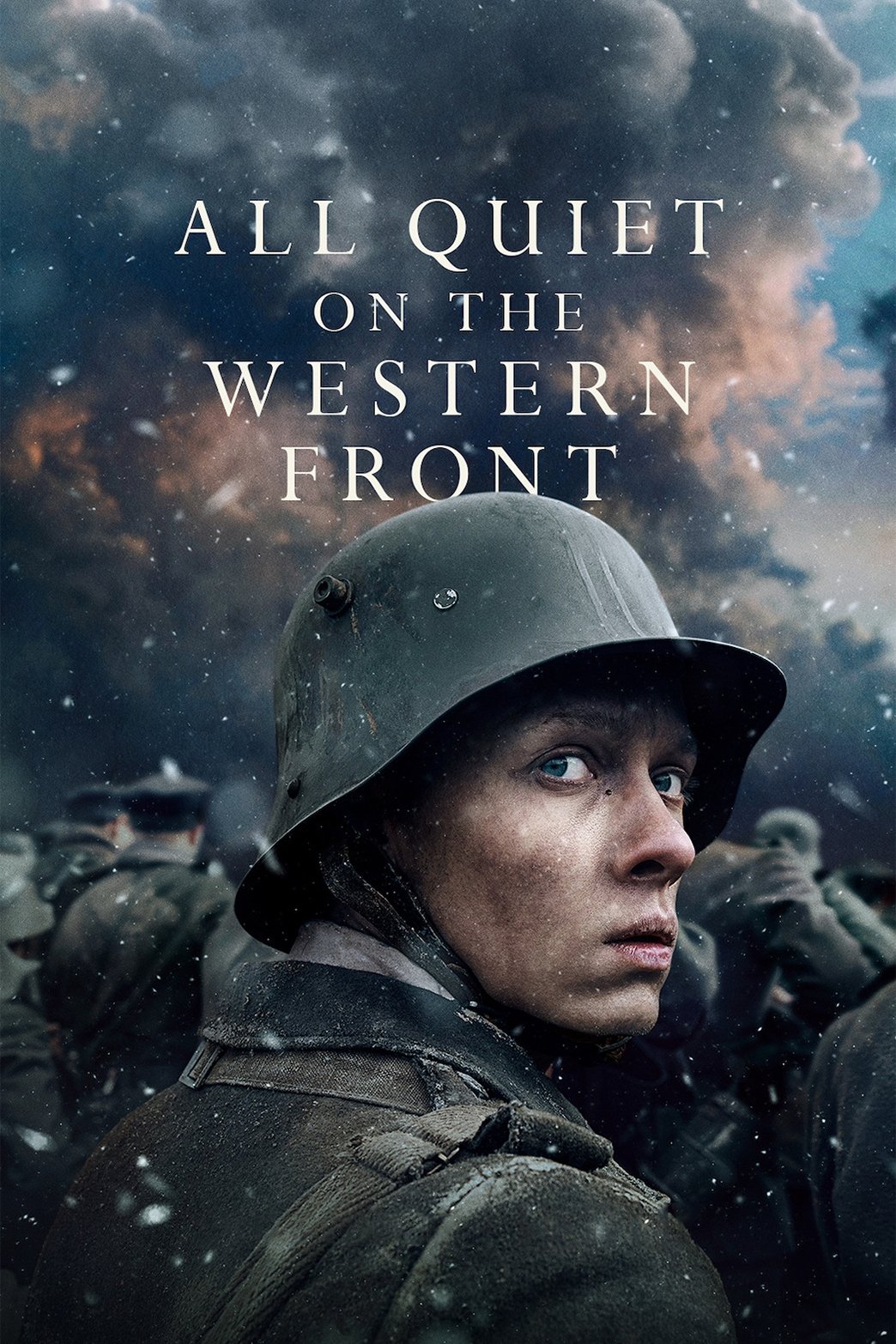
What the Film Is About
“All Quiet on the Western Front” (1979) presents the harrowing experience of a group of young German soldiers swallowed by the brutality of World War I. The film follows these teenagers as they leave their patriotic, idealized visions of war behind, confronting the relentless violence and moral confusion of the trenches. Their emotional journey is marked by disillusionment, deep loss, and the persistent question of meaning amidst chaos. Rather than focusing on nationalist triumph or valor, the narrative centers on the human cost, the corrosion of innocence, and the struggle to retain a sense of self when confronted with relentless mortality and suffering.
The central conflict is an internal one—the battle between the ideals the characters were taught and the grim reality they encounter. Friendship offers fleeting solace, but as war strips away their hopes and identities, the central narrative direction moves toward a profound, haunting quietness: the silence not only of destroyed bodies, but of all that cannot be spoken or repaired once the war is over.
Core Themes
At its core, “All Quiet on the Western Front” interrogates the myth of war as a pathway to glory or purpose. The film exposes the generational betrayal—the way youthful enthusiasm is manipulated by older authorities, sending the young into battle while shielding themselves from its consequences. By depicting the protagonist and his friends losing their illusions, the film explores themes such as the devastation of innocence, the psychological alienation brought on by combat, and the loss of individual identity within the war machine.
Another prominent theme is dehumanization. The young soldiers, initially driven by fervor and camaraderie, gradually become desensitized to violence and death, their worldview irrevocably altered. The war erodes personal connections, turning young men into tools for destruction, raising questions about morality and survival. Themes of absurdity and futility run throughout; the endless repetition of trench warfare with no clear victory underscores the senseless cycle of violence.
Upon its release in 1979, amid the lingering trauma of Vietnam and a wave of anti-war sentiment, the film resonated with audiences as a universal cautionary tale. Decades later, its relevance persists. The issues of manipulated youth, propaganda, and the cost of war on the psyche echo in contemporary conversations about militarism, trauma, and the moral weight carried by soldiers. Its refusal to glamorize battle invites timeless reflection on the ethical responsibilities of societies that send their children to fight.
Symbolism & Motifs
Visual motifs play a significant role in deepening the film’s critique of war. The persistent imagery of mud, barbed wire, and blasted landscapes becomes a textured symbol of the soldiers’ entrapment and the devastation wrought by conflict. The earth is not nurturing but suffocating—a force that both absorbs the bodies of the dead and imprisons the living. The claustrophobic trenches, endlessly repeated on screen, reinforce a sense of psychological and physical confinement, where hope is narrowed to simple survival.
Another recurring symbol is the use of personal items—letters from home, mementos, and everyday objects salvaged from dead comrades. These small items stand as reminders of lost innocence and a civilian world slipping irrevocably out of reach. They are talismans for the soldiers, evoking memories of safety yet also underlining their isolation.
The film frequently returns to the motif of silence: the acoustic quiet before bombardments, the chilling peace after battles, and the ineffable pain that words cannot convey. This motif punctuates the narrative, representing what is unspeakable about war’s trauma and the void left in its aftermath. The title itself becomes an ironic refrain, questioning what kind of “peace” remains when everything familiar has been destroyed.
Key Scenes
Key Scene 1
One of the film’s most essential scenes unfolds as the protagonist, Paul, is trapped alongside a mortally wounded French soldier in a shell hole. The tension and intimacy of this encounter lay bare the central contradiction of war. Paul’s panic gradually turns to empathy as he tries futilely to save the man he has just stabbed in self-defense. This pivotal moment transforms abstract “enemy” into another frightened, suffering human being—underscoring the loss of moral certitude and the capacity for compassion even amid horror. The scene shatters any lingering patriotic or ideological justifications for violence, encapsulating the film’s emotional nucleus: the humanity shared across enemy lines and the lifelong toll of participating in killing.
Key Scene 2
Another crucial scene occurs when Paul returns home on leave. The reception is jarring. He is alienated from his family and townspeople, who persist in viewing the war through a lens of honor and inevitability. The stark contrast between their patriotic rhetoric and his haunted presence reveals the gulf between societal myths about war and its lived reality. Paul’s inability to connect with civilians, and his frustration at their refusal to understand his trauma, lays bare the loneliness of those who return from conflict—and how society perpetuates cycles of violence through denial and indoctrination.
Key Scene 3
The film’s heartbreaking conclusion—Paul’s final moments spent sketching a butterfly just before being killed—acts as a devastating coda. The butterfly, delicate and colorful, evokes innocence, freedom, and the world outside the trenches. Paul’s focus on this fragile symbol is a brief, tragic return to beauty and youth; his death at this moment signals the abrupt, random destruction that war inflicts. The final “quiet” is not one of peace, but of lives and dreams abruptly ended, summarizing the film’s central statement about the tragedy of wasted youth and irretrievable loss.
Common Interpretations
The dominant interpretation of the 1979 version of “All Quiet on the Western Front” aligns with its groundbreaking source novel: war is inherently dehumanizing and futile. Many critics highlight its rejection of nationalist narratives and its refusal to grant heroism to violence, instead focusing on the psychic wounds left even after the guns fall silent. Audiences and scholars frequently interpret the film as a condemnation of the manipulation of youth and the mechanisms of propaganda, emphasizing the existential absence of meaning in mechanized conflict.
Some readings, particularly in academic circles, examine the film not just as an anti-war statement but also as a critique of masculine identity. The breakdown of traditional gender roles and notions of stoic courage reveals the artificiality of cultural expectations placed upon young men. While interpretations may emphasize different aspects—trauma, alienation, or loss—the broad consensus sees the film as a profound exploration of how modern war obliterates not only bodies but also the foundations of meaning and belonging.
Films with Similar Themes
- Paths of Glory (1957) – Explores military hypocrisy and the moral compromises forced upon soldiers, examining the futility and senseless bureaucracy of World War I.
- Come and See (1985) – Follows a young boy’s psychological unraveling during World War II, echoing themes of innocence destroyed and the personal cost of violence.
- Gallipoli (1981) – Focuses on youthful patriotism undermined by the reality of trench warfare and catastrophic loss, emphasizing the gulf between ideals and experience.
- Saving Private Ryan (1998) – Though set in World War II, examines the brutality of modern combat, survivor’s guilt, and the heavy psychological consequences borne by soldiers.
Ultimately, “All Quiet on the Western Front” (1979) communicates a sobering message about the tragic costs of war—a shattering exposition of youth’s betrayal and the enduring scars left on individuals and societies. By centering the emotional and existential toll of conflict rather than patriotic valor, the film challenges romanticized conceptions of battle, asking viewers to confront uncomfortable truths about collective memory, generational responsibility, and the limits of empathy. In doing so, it remains an urgent reflection on how easily humanity can be lost—and how hard it is to reclaim, once silence falls.