
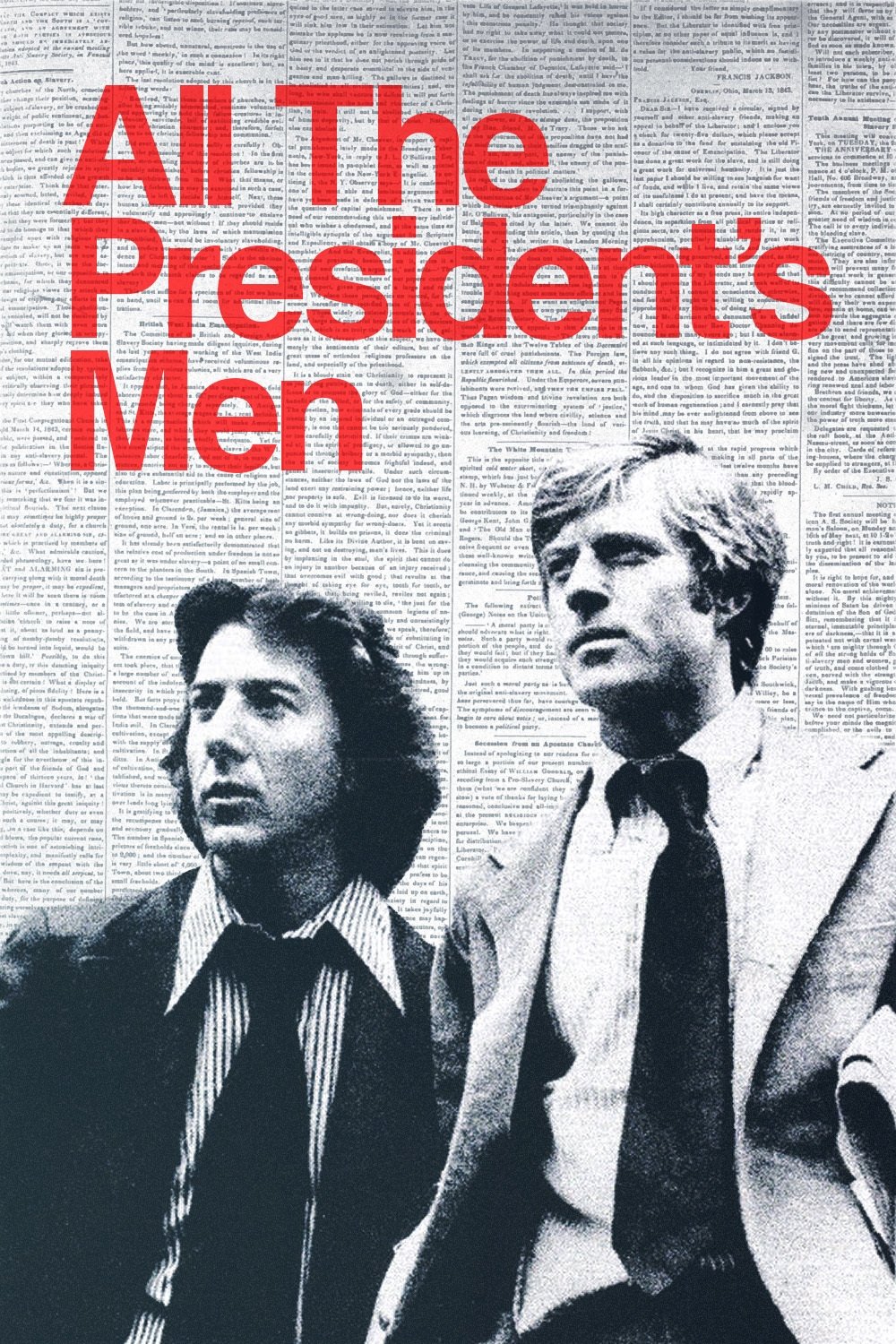
What the Film Is About
“All the President’s Men” is a tense, meticulously crafted drama about the pursuit of truth in the face of institutional secrecy and power. The film chronicles the emotional and professional journey of journalists Bob Woodward and Carl Bernstein as they investigate the Watergate break-in. Rather than focusing solely on political intrigue or criminal activity, the heart of the film is in the incremental, uncertain process of uncovering information and the personal toll it exacts on those seeking accountability. The narrative propels the viewer into the anxious world of investigative journalism, where doubt, persistence, and ethical resolve are continually tested.
Beneath the surface of its historical story, the film explores the existential challenge of grappling with forces much larger than oneself. As Woodward and Bernstein draw closer to the truth, the emotional stakes rise—not just for their own safety and credibility, but for the very notion of a free and responsible press. The central conflict is less about “villains” and more about the perpetually shifting obstacles that emerge when entrenched power is threatened by honest inquiry.
Core Themes
At its core, “All the President’s Men” is an examination of truth, institutional accountability, and the fragile nature of democracy. The film dissects the idea that power, left unchecked, is susceptible to corruption and that a functioning society relies on individuals willing to challenge official narratives. Journalistic integrity emerges as both a theme and a battleground: the painstaking process of verifying each fact demonstrates the difference between rumor and reality, between skepticism and cynicism.
The tension between the individual and the system is palpable throughout. Woodward and Bernstein are portrayed not as crusading heroes, but as ordinary people burdened by doubt and fear, motivated by a sense of public duty. This humility grounds the story in a broader meditation on civic responsibility. The film also scrutinizes fear—the paranoia gripping both the journalists and their sources, and the broader atmosphere of suspicion that pervaded the Nixon era.
Released in 1976, just two years after Nixon’s resignation, the film spoke directly to citizens recovering from an unprecedented crisis in government trust. Its themes still resonate today, as debates about transparency, media influence, and governmental overreach continue. “All the President’s Men” compels viewers to reflect on who holds power in society and how accountability is enforced or evaded.
Symbolism & Motifs
Visual and narrative motifs reinforce the film’s exploration of secrecy, exposure, and the uneasy process of seeking truth. The recurring motif of darkness is significant. Many key conversations occur in shadowy parking garages or dimly lit rooms, emphasizing the clandestine nature of both the investigation and the world the reporters are probing.
Telephones and typewriters function as symbols of the precarious link between information and communication. The constant ring of phones, the clattering of keys—these sounds underscore the frenetic, sometimes overwhelming effort required to bridge the gap between secret knowledge and public awareness. Each dial tone signifies isolation as much as connection, mirroring the loneliness inherent in challenging the status quo.
Papers and documents, scattered throughout the newsroom and investigative spaces, serve as tangible tokens of both evidence and bureaucracy. They reinforce the sense that truth is not a single revelation but the accumulation of small, verifiable facts painstakingly assembled over time. The repetition of footwork—doorbells, low-key interviews, whispered exchanges—conveys the arduous, often thankless labor required to reach a moment of clarity.
Key Scenes
Key Scene 1
The initial meeting between Woodward and his source “Deep Throat” in the shadowy parking garage stands as a distillation of the film’s atmosphere of fear and uncertainty. What makes this scene crucial is not just what is said—brief, sometimes cryptic tips—but the palpable sense of vulnerability and suspense. The anonymity, the clinging shadows, and the coded language all reflect the enormous risks faced by both journalists and whistleblowers. This moment highlights the necessity (and cost) of trust in a world built on subterfuge, encapsulating the film’s message about the courage required to bring secrets into the light.
Key Scene 2
A pivotal newsroom scene finds Woodward and Bernstein piecing together accounts from hesitant, sometimes frightened witnesses. The two reporters argue about the pressure to get facts right and the ethical lines they must draw in their pursuit. Here, the film foregrounds the challenges of journalistic integrity: how to balance competitive pressures, the temptation of conjecture, and the imperative of fairness. The emotional weight of the scene comes from the realization that even small errors could have dire consequences, underscoring the theme of personal and professional responsibility.
Key Scene 3
In the film’s understated but powerful conclusion, Woodward and Bernstein continue working in the background at their desks while, on a nearby television, the inauguration takes place. This juxtaposition of routine labor against historical drama carries a poignant message: the pursuit of truth is an ongoing, often invisible process, separate from the spectacle of official power. The scene suggests that monumental change often results from relentless, anonymous effort rather than grand gestures, pointing to the enduring need for vigilance and persistence in democratic life.
Common Interpretations
Many critics and viewers interpret “All the President’s Men” as a celebration of the fourth estate’s essential role in safeguarding democracy. The methodical approach to reporting depicted in the film is frequently cited as an ideal of journalistic practice—meticulous, impartial, resilient under pressure. Audiences have long recognized the story as both a cautionary tale about the corrupting nature of unchecked authority and a call to action, reminding citizens of their rightful place in holding power to account.
Some offer a more ambivalent reading, noting the film’s underlying fatalism. The ever-present anxiety, persistent threats, and emotional toll on the reporters underscore the dangers of challenging authority. Rather than simply championing triumphant truth-telling, the narrative exposes the vulnerabilities and fears that come with confronting entrenched power.
Others see “All the President’s Men” as more than a political drama—it functions as an existential exploration of meaning, isolation, and doubt in a complex world. The reporters’ incremental progress, the constant uncertainty, and the lack of personal glory speak to the reality that most positive societal change results from toil and sacrifice rather than heroics.
Films with Similar Themes
- Spotlight (2015) – Explores investigative journalism’s role in exposing institutional abuse, focusing on the painstaking process of verification and the ethical dilemmas faced by reporters.
- The Post (2017) – Centers on the publication of the Pentagon Papers, further addressing the themes of press freedom, governmental secrecy, and the personal risk taken by journalists and editors.
- Z (1969) – A political thriller about a journalist investigating the assassination of a left-wing politician, thematically aligned in its distrust of official narratives and dedication to uncovering hidden truths.
- Good Night, and Good Luck (2005) – Chronicles Edward R. Murrow’s challenge to McCarthyism, sharing the motif of the journalist as a bulwark against political manipulation and societal fear.
Ultimately, “All the President’s Men” communicates that the defense of truth is a strenuous, ongoing collective responsibility—one that does not rest solely in grand acts or charismatic individuals, but in committed, unceasing inquiry. The film’s depiction of journalism as both noble and fraught recognizes that society’s integrity hinges on the willingness of ordinary people to confront secrecy, demand accountability, and persist in the face of uncertainty. Refusing to offer easy closure, the film endures as a meditation on the costs and necessity of open, skeptical engagement with those who wield power.