Temporal Whiplash: The Rush of Escaping Your Own Time
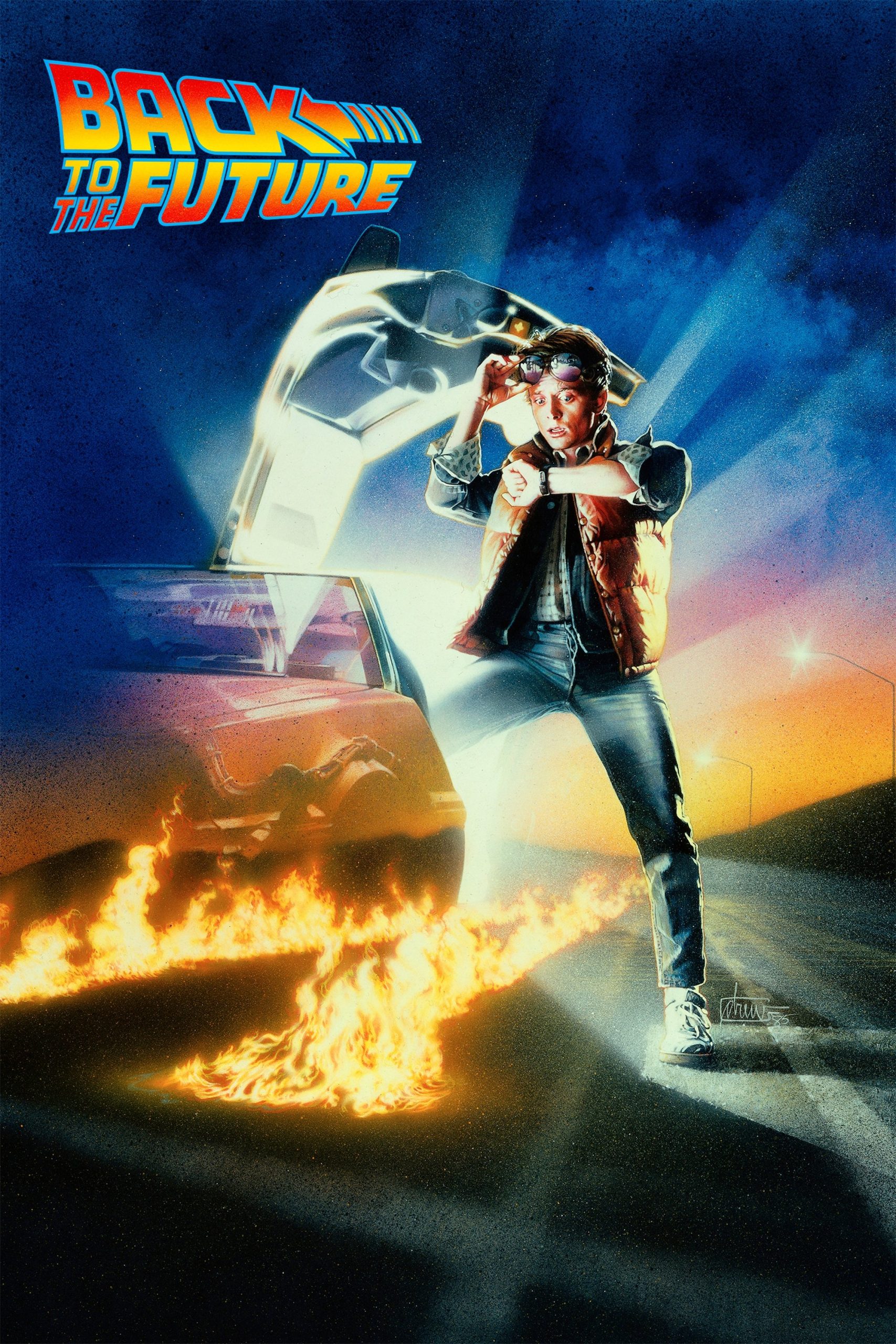
I will never forget the moment Marty McFly first blasts through the parking lot in that battered DeLorean, the air crackling with both possibility and panic. Back to the Future, for me, is not just a time travel fantasy—it’s a fever-dream meditation on the terror and thrill of outgrowing your own era. I feel it in the movie’s nervous energy, its ceaseless kinetic motion, and the way every character seems slightly uncomfortable in their own skin, caught halfway between yearning for something lost and dreading what’s next.
In every pedal stomp, every blaring guitar riff, I see the desperate urge to rewrite what’s already written, to break the inertia of family legacy and social expectation. The film’s 1955 setting isn’t just a nostalgic joke, it’s an emotional trap—a parallel universe where the future is nothing but potential and terror, where you watch your parents stumble over the same insecurities you struggle with yourself. There’s a reason Marty’s constantly running, ducking, hiding; being displaced in time really means being forced to see yourself from the outside, to witness how little control you have over fate and how much the past has already shaped you. That’s the paradox the movie keeps circling, beautiful and unresolved.
American Mythology in Flux: Rewriting the Suburban Dream
If I look closely, what jumps out is the film’s uneasy love affair with mid-century Americana. This is a movie obsessed with the idea of the “good old days,” but also unmistakably anxious about the consequences of romanticizing them. The town square, the soda shop, the high school dance—all the trappings of a sanitized, wholesome American adolescence—are both lovingly rendered and gently mocked.
When Marty drops into 1955, he isn’t just an outsider; he’s a messenger from a future that knows both the damage and the promise of these rose-tinted myths. His presence exposes the ugly seams beneath the façade: racism, sexism, bullying—problems glossed over in nostalgia but alive and kicking just below the surface. Every time I catch Lorraine’s confusion at Marty’s “Calvin Klein” underwear, or Biff’s oily sense of entitlement, I see the film’s sly critique of the so-called golden age.
What’s most striking to me is how the movie refuses to let Marty escape untouched. His journey isn’t about restoring the past to its “proper” shape, but finding a sliver of agency—to not just inherit the world, but to intervene in it, even if the results are messy and unpredictable. The final version of his family isn’t perfect, just different, and that’s an honest admission that change—personal or cultural—always comes with a cost.
Fathers, Sons, and the Terror of Inheritance
Every time I revisit the film, I’m haunted by the scenes between Marty and his teenage father, George. Back to the Future is a story fundamentally about the things we inherit—the quirks, weaknesses, fears, and scripts that shape who we become long before we make any conscious choices. Marty’s horror at seeing his own father’s lack of confidence is not just comedic; it’s existential. He’s watching his own limitations play out in real time, unable to stop himself from echoing the very same patterns.
The movie’s most potent moments linger on the awkward intimacy between parent and child when the generational barrier is erased. Marty’s interventions aren’t grand acts of heroism as much as desperate, clumsy attempts to break cycles—nudging his father toward courage, his mother away from passivity, and discovering in the process how fragile and contingent family histories really are.
For me, the real time machine is memory—those moments we replay over and over again, wishing we could say the unsaid or undo the unbearable. Back to the Future pulls the fantasy thread until it frays, showing that rewriting the past doesn’t erase fear or longing; it just transforms them into new shapes, new uncertainties.
The Clocktower and the Gift of Uncertainty
There’s an undercurrent of anxiety that pulses through every frame of this film, concentrated in the looming presence of Hill Valley’s clocktower. The broken clock is more than a plot device—it’s a symbol of suspended time, a monument to the moments we wish we could freeze or relive. The movie’s climax, with its frantic race against lightning and destiny, feels like a waking nightmare of missed chances and ticking regrets.
I’m drawn to how the film treats the idea of “fixing” the timeline. Every solution is provisional, every escape precarious; even when Marty returns home, something is always slightly off-center, reminding us that no future is ever truly secure. It’s a thrilling, unsettling recognition that the future is always in flux, no matter how hard we try to pin it down or predict its shape.
For me, the clocktower’s frozen hands mark not just a pivotal event, but the very nature of nostalgia itself—a longing that can never be fulfilled, a yearning for a perfect moment that never really existed. The film’s refusal to grant Marty (or us) a purely happy ending is what makes it resonate: it’s the uncertainty that keeps time, and life, moving forward.
Doc Brown as the Trickster Genius
When I watch Doc Brown in his wild-haired glory, I see more than comic relief or steampunk mad scientist. Doc is the film’s embodiment of creative chaos, the human urge to break boundaries even as we tremble at the consequences. He’s driven by curiosity and guilt in equal measure—haunted by the atomic age’s promises and perils, and desperate to believe the future can be shaped for the better.
His relationship with Marty is a strange, touching partnership. They’re both outcasts, united by a longing to outrun disappointment, to bend the rules of their universe just enough to glimpse something new. When Doc risks everything to send Marty home, it’s not really about scientific triumph; it’s an act of hope, a belief that the next generation can dodge the disasters of the one before.
In Doc’s jittery optimism, I feel the film’s central argument: the world isn’t fixed, and neither are we—our greatest inventions, like our worst mistakes, are born from longing and fear, not certainty.
The Music of Longing and Rebellion
Few films have ever used music quite the way Back to the Future does. From the opening bars of “The Power of Love” to the wild anachronism of “Johnny B. Goode,” the soundtrack is more than period detail—it’s a battle cry, a declaration of independence from fate and conformity.
Marty’s infamous guitar solo at the Enchantment Under the Sea dance isn’t just a punchline or act of showmanship. It’s a rupture in the film’s nostalgia—a sonic explosion that exposes the artificial boundaries of genre, generation, and tradition. The crowd’s stunned silence says it all: every breakthrough feels alien at first, shocking and a little dangerous.
To me, that moment is the heart of the film’s message. We inherit the past, but we’re not prisoners of it. Transformation comes not from erasing history, but from colliding with it—making noise, making mistakes, and daring to improvise a new tune.
Why We Can’t Go Home Again—And Why We Try Anyway
Each time I revisit Back to the Future, I find myself less interested in the mechanics of time travel and more haunted by the film’s deepest ache: our desperate wish to rewrite the story of who we are, and the bittersweet revelation that every change, no matter how well-intended, leaves traces—ghosts in the timeline, echoes of the lives we almost lived.
The movie isn’t cynical, but it’s not naïve either. It whispers that growing up means letting go of fantasies of perfect closure or total control; we become ourselves not by erasing our parents’ mistakes, but by learning to live with their shadows and our own. The ending’s playful promise of more adventures—“Where we’re going, we don’t need roads”—isn’t just a tease, but an invocation. The future is always unfinished, always open to surprise, and the hardest part is learning to love that uncertainty, to make peace with the ways time shapes us in return.
Echoes Through Time: Two Classic Kindreds
For those restless souls who find in Back to the Future a mirror of their own nostalgia and longing, I recommend seeking out two kindred classics that wrestle with time, regret, and the possibility of rewriting fate: It’s a Wonderful Life and The Time Machine (1960).
If you’re curious about how this film was originally perceived or how it compares to similar works of its era, these resources may be helpful.