
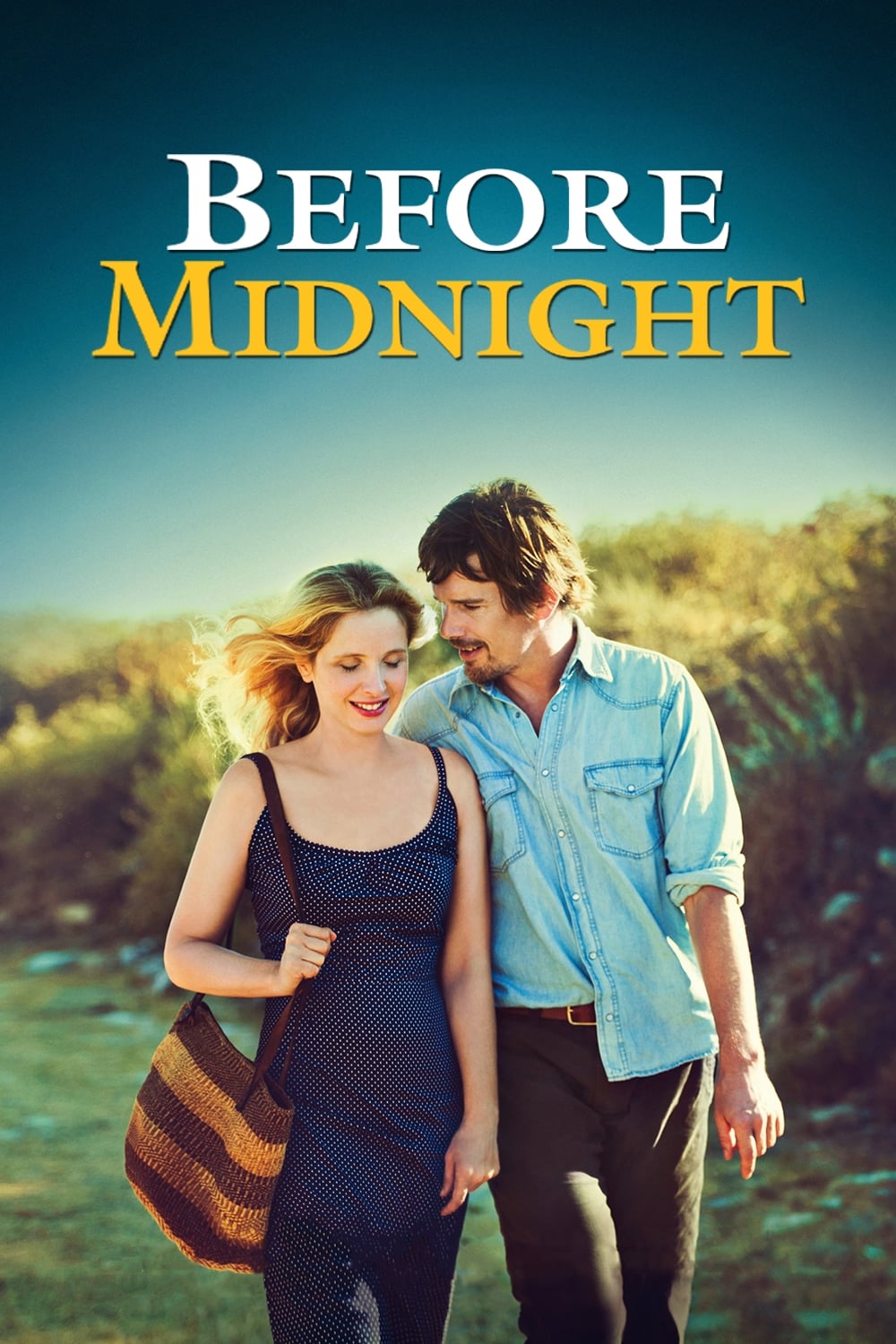
How Real Love Feels at Dusk
I remember the first time I saw “Before Midnight,” the almost physical ache that lingered after the credits rolled—a sense that I’d just witnessed something raw, untamed, and brutally honest. This wasn’t the intoxicating infatuation of “Before Sunrise” or the hopeful, hesitant reunion of “Before Sunset.” Instead, I was confronted with love on the other side of romance: love as a negotiation, a battlefield, and a series of choices made in the shadow of time. Watching Jesse and Celine spar, laugh, and unravel in the bright Greek sun, I realized I was witnessing not just the continuation of their story, but a meditation on what it actually means to live inside a shared life.
The Cruelty of Sunlight: How Setting Shapes Honesty
There’s nothing cozy or forgiving about the way Greece is shot in “Before Midnight.” The landscape feels exposed, ancient, sun-bleached—almost dispassionate in its beauty. This relentless daylight becomes a kind of silent interrogator: neither Jesse nor Celine can hide in shadows, not from each other, and not from themselves. Unlike the romantic haze of Vienna or the golden hour nostalgia of Paris, here every wrinkle, every sigh, every moment of irritation is illuminated. I felt as if the film wanted to burn away any remnants of fantasy I might have had about their future. The setting itself insists on truth, sometimes to the point of pain.
Words as Weapons and Lifelines
The film’s dialogue is famously natural, but in “Before Midnight,” it’s also a minefield. Conversations oscillate between playful flirtation and emotional warfare, revealing how language becomes both a shield and a sword in long-term love. I watched Jesse weaponize his easy charm, only for Celine to parry with sarcasm or sharp intelligence. They know each other’s vulnerabilities intimately, and sometimes, they exploit them. But beneath the jabs and complaints, I hear something more urgent: a frantic need to be understood. It’s not just about winning the argument—it’s about testing whether their bond can endure the ugliest truths. When voices rise and composure cracks, I see the real stakes: not whether they still love each other, but whether they can survive being truly seen.
The Weight of the Lives We Didn’t Choose
No other film in this trilogy obsesses so powerfully over alternative lives, the shadow selves that haunt every midlife reflection. Jesse’s guilt over leaving his son, Celine’s fear of sacrifice, their mutual grievances about who gave up more—these anxieties form the undercurrent of every conversation, every glance. I find myself haunted by the idea that with each choice, they’re mourning a parallel universe. The film’s tension lies not in whether Jesse and Celine’s love is real, but whether reality itself can ever be enough. The ache isn’t just for roads not taken, but for the impossibility of fully reconciling desire with responsibility.
The Unspoken Agreements of Partnership
What struck me most on revisiting “Before Midnight” is how much of love rests on silent, shifting treaties. The film doesn’t shy away from the daily indignities and private negotiations that sustain a long relationship. I noticed how the smallest gestures—Celine picking at Jesse’s shirt, Jesse teasing about her quirks—are loaded with the history of previous arguments and reconciliations. There’s a comfort in these routines, but also a simmering resentment: each partner feels unseen in different ways, yet clings to the rituals that keep them together. Watching them, I realized that lasting love can look, at times, like a surrender to imperfection and ambiguity. There’s no final, clean answer—only the willingness to stay in the room, even when leaving would feel easier.
Desire, Aging, and the Fear of Disappearance
There’s an undercurrent of existential dread in “Before Midnight” that never quite surfaced in the earlier films. For the first time, Jesse and Celine are preoccupied not just with each other, but with their own mortality—physical aging, fading passion, the sense of time accelerating. Desire is no longer spontaneous or inexhaustible; it has to be defended, negotiated, sometimes even mourned. I found moments of humor in their banter about sex, but also a sadness in Celine’s worry about becoming invisible, or Jesse’s guilt-tinged nostalgia for youth. The film isn’t afraid to acknowledge that intimacy becomes harder as bodies and dreams change, asking whether love can survive the erosion of certainty and the intrusion of fear.
The Fight That Refuses Resolution
That long, drawn-out argument in the hotel room is a masterclass in emotional escalation, but for me, what’s most remarkable is how it refuses a simple catharsis. The argument isn’t about any one thing; it’s about everything, about years of compromise and disappointment and the recurring terror that maybe this—this love, this family—isn’t enough. I felt the air thicken as old wounds reopened and new ones were inflicted, and the film forced me to sit with discomfort. There’s no grand apology or sweeping gesture to fix what’s broken. Instead, I saw two people choosing, moment by moment, to try again. I recognized something profound in that: the decision to persist is not evidence of failure, but the core of what it means to share a life.
Hope and Humor as Survival Tactics
Despite the film’s relentless honesty, it never tips into despair. If anything, “Before Midnight” is suffused with a kind of hard-won humor—the wry jokes, the moments of tenderness that break through after tears. This is not the wit of new lovers, but of those who have survived years of disappointment and still find reasons to laugh together. I’m reminded that for Jesse and Celine, humor is both armor and medicine. When the final scene arrives, with its awkward, conciliatory banter, I find myself breathing a little easier. Maybe love is less about always understanding and more about being willing to try, again and again, to connect.
The Courage to Stay
When I revisit “Before Midnight,” I’m left with a sense that the film’s greatest act of bravery isn’t falling in love, or even maintaining it, but remaining open to the possibility of repair. Richard Linklater, Ethan Hawke, and Julie Delpy craft a mosaic of marriage that refuses sentimentality or cynicism. Instead, they argue that the truest love lives in the gap between disappointment and forgiveness, where two people, flawed and aging, insist on building something real. The film asks: what does it mean to choose someone, not once, but every day—especially when fantasy gives way to reality? For me, “Before Midnight” is a love story about the courage to stay, and the humility to admit that staying is always a choice, never a given.
If These Left You Wanting More
After watching “Before Midnight,” I found myself searching for other films that capture the ache, humor, and complexity of adult connection. Two classics echo its themes with their own indelible voices:
- Scenes from a Marriage
- Two for the Road
If you’re curious about how this film was originally perceived or how it compares to similar works of its era, these resources may be helpful.