
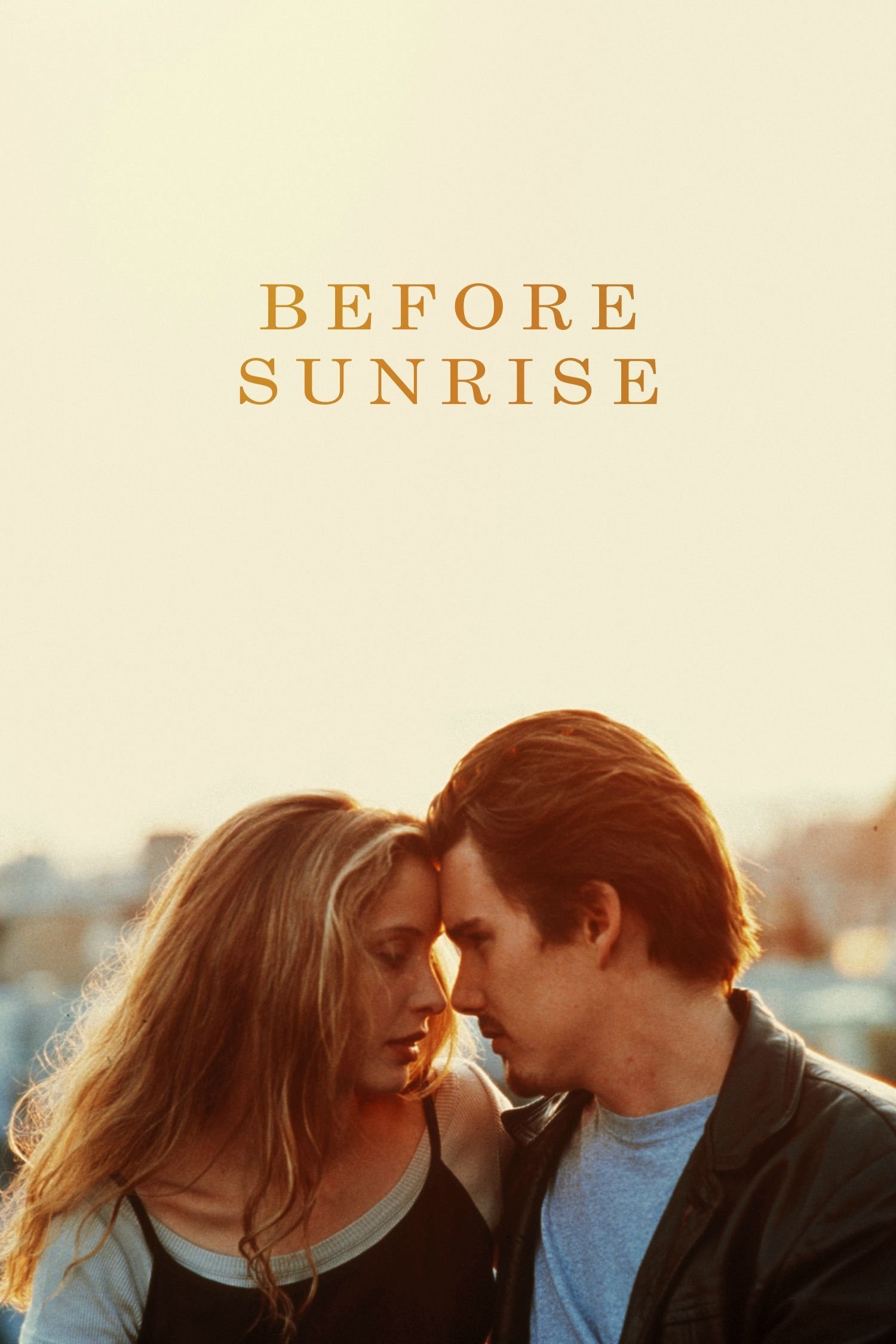
The Night That Lingers: My Own Encounter with “Before Sunrise”
I remember the first time I let myself fall into the gentle gravity of “Before Sunrise.” The film felt like finding a letter addressed to me from another era—a secret, whispered somewhere between uncertainty and hope. No matter how many times I return to this Vienna night, I find myself changed, as if the film is quietly evolving alongside my own ideas about love, time, and what it means to truly see another person. It’s not a grand tale, yet its very intimacy is a challenge to the spectacle and certainty most films promise.
Conversations as Compass: Navigating the Labyrinth of Connection
Every time Jesse and Céline speak, I sense the stakes of their conversations, not in what they say, but in the way they listen. The film’s heart beats in the pauses, the hesitations, the laughter that erupts at the absurdity of being alive and attracted to someone you barely know. It’s not plot twists that keep me riveted, but the slow unfolding of two souls—open, vulnerable, a little scared. Richard Linklater isn’t documenting a romance; he’s chronicling the search for authenticity in a world that often feels scripted.
As I watch their exchanges, I become acutely aware of how rarely life allows such conversations. There’s a therapeutic quality to their dialogue. I see in their words a longing, deepened by the awareness that this night will end, and perhaps the possibility that what they are creating together is both incredibly fragile and the most real thing either has ever known.
No Maps, Only Moments: Time as a Fleeting Constant
What strikes me most is how Linklater weaponizes time not as a narrative villain, but as a poetic inevitability. The sun’s slow approach is both an antagonist and a silent witness. Every scene is weighed down by the knowledge that morning will undo their magic. I have lived those nights myself, the ones with laughter echoing off empty streets, where time feels like a trick and the end is as present as the person before me.
“Before Sunrise” doesn’t just depict transience—it exalts it. Every stolen minute becomes sacred. I sense that the film is quietly asking, “Would you say everything, if you knew you’d never have to explain yourself again?” As Jesse and Céline wander Vienna, I feel the pressure of time turning every small gesture—her smile, his nervous joke—into an act of courage.
Unreliable Narrators of Ourselves
I’ve always felt that Jesse and Céline’s stories are as much about invention as revelation. Their confessions are edited, shaped by what they hope to be or fear they are. Each anecdote, every reminiscence, is both a window and a wall. I find myself listening for the truths hidden in their contradictions: Jesse’s cynicism, Céline’s impulsivity. These aren’t flaws—they are the way we protect ourselves from disappointment.
In the film’s most revealing moments, I hear Linklater urging me to question the fictions I tell about my own life. Are my stories honest, or are they rehearsals for a version of myself I wish existed? And if someone could see me in a single night, which parts would I choose to reveal?
The City as Silent Accomplice
Vienna is more than a backdrop—it’s an accomplice in this fleeting romance. The film’s spaces—train compartments, empty cafes, sunlit parks—echo with possibility and melancholy. I am always struck by how the city seems to absorb the characters’ energy, amplifying their sense of being both invisible and significant. There is a delicious anonymity in their wandering, a sense that these streets have witnessed countless stories, and yet, tonight, they belong solely to Jesse and Céline.
Walking through the city with them, I feel as if I am trespassing in their secret. Every location becomes a witness, every encounter a reflection of what they are trying to discover about themselves and each other. The geography of Vienna blurs with the emotional landscape—a maze of possibility and regret.
Chance Encounters and the Art of Surrender
The premise—a chance meeting on a train—feels, at first, like the stuff of fairy tales. But “Before Sunrise” resolutely refuses easy magic. Instead, it celebrates the courage required to surrender to a moment, to say yes to uncertainty. Watching Jesse and Céline, I am reminded of how rarely we let ourselves leap into the unknown. The film asks what it means to be present, not just physically, but emotionally, in a world that teaches us to hedge our bets.
When Jesse suggests they spend the night together, I see a man gambling with his heart, and Céline’s acceptance is a leap of faith. They step out of the train and into the uncharted country of honest vulnerability. Every subsequent scene reinforces this theme—not in declarations, but quiet choices. It is the antithesis of the calculated romance; it is two people improvising, risking embarrassment, and discovering freedom in the absence of guarantees.
Promises, Endings, and the Things We Leave Unsaid
The film’s ending is a gentle ache that never quite resolves. The decision not to exchange contact information is the most honest moment of all. I feel the full weight of their promise—meet here in six months—knowing the odds, and the hope, that saturate it. Linklater trusts us to understand that real connection isn’t proven by longevity or closure. Sometimes, the value of a relationship is measured in its intensity, not its permanence.
I think about the things they leave unsaid, the lives they will return to, and the way a single night can echo forever. There’s an honesty in letting the unanswered hang in the air, the ache of what might have been. The film is asking: Can something brief still be enough? Can we live with uncertainty if it means living truthfully, even for a single sunrise?
Lasting Resonance: Echoes in My Own Life
Long after the credits fade, “Before Sunrise” lingers. I find myself changed, reminded to listen more closely and speak more bravely. The film’s true triumph is its invitation to be present—to every fleeting conversation, every uncertain leap, every fragile beginning. Jesse and Céline aren’t archetypes; they are profoundly ordinary, and in that ordinariness, I find hope.
If I let myself, I can almost believe that a single night can alter the course of a life. “Before Sunrise” is my reminder that the meaning of a moment is shaped by the courage to live fully within it.
If This Night Stirs You: Two Films Worth Wandering Into
For those who, like me, find themselves moved by Jesse and Céline’s midnight odyssey, I can’t help but recommend two classics that evoke similar wonder and longing:
- Louis Malle’s “My Dinner with Andre”
- Ingmar Bergman’s “Wild Strawberries”
If you’re curious about how this film was originally perceived or how it compares to similar works of its era, these resources may be helpful.