
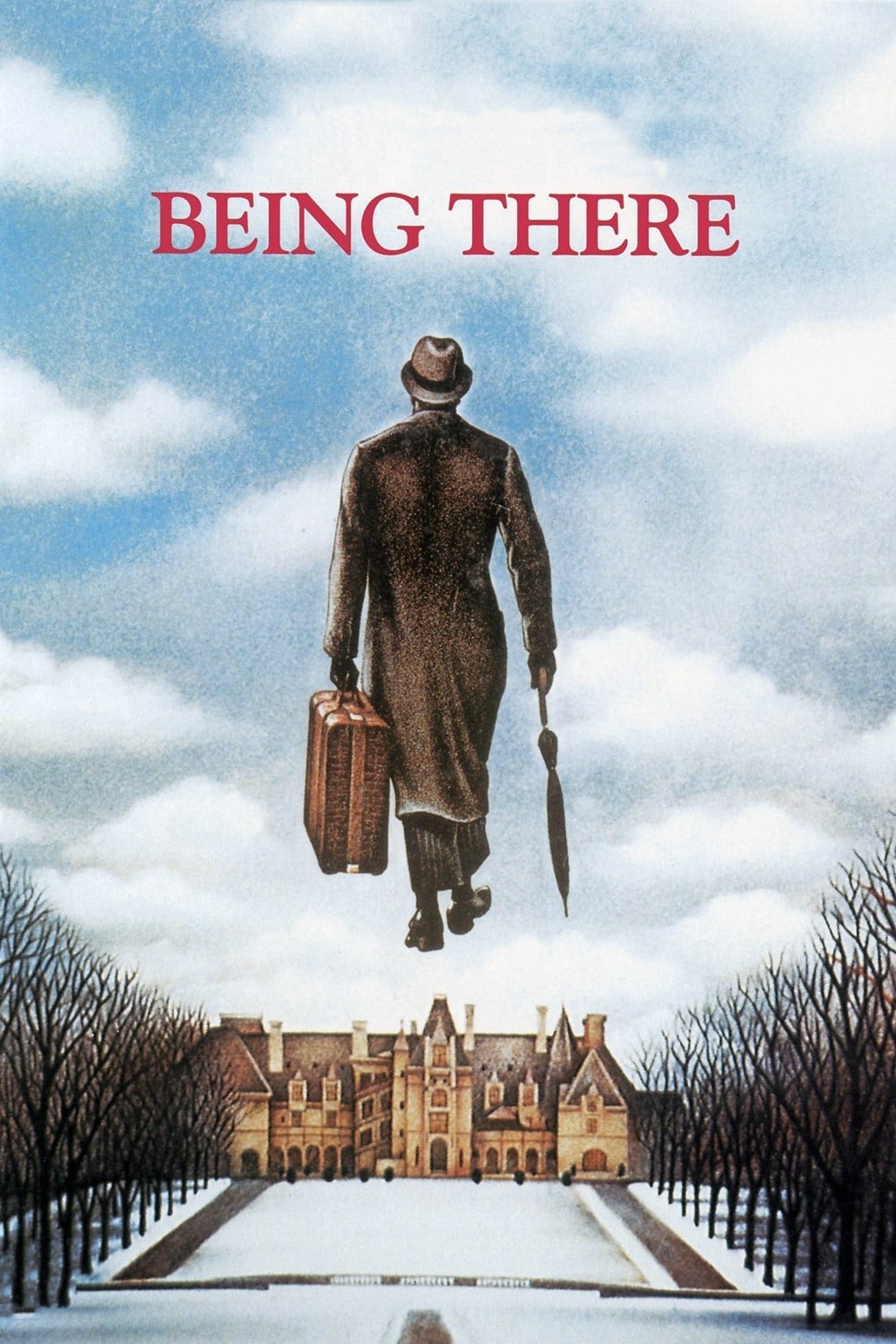
A Gentleman Adrift in a Sea of Meaning
The first time I watched Being There, I felt as if I’d stumbled into a hall of mirrors—every surface reflecting not only the world’s absurdity, but my own readiness to believe in appearances. There is a strange tranquility in Peter Sellers’ portrayal of Chance, a man so blank that everyone around him projects onto him their own hopes, wisdom, and fears. The film whispers, with biting politeness, that the stories we tell ourselves about others are often nothing more than beautifully wrapped emptiness.
The Mask of Innocence and the Smirk of Power
What has always unsettled me about Chance is how little he actually does, and yet, how much those actions seem to mean to everyone else. He is pure surface—an empty suit walking through ornate settings—yet the world, desperate for oracles and leaders, imbues him with profundity. I’ve always believed that the film is, at its core, a scathing satire of authority, suggesting that the trappings of power are often inherited by those who simply look the part, rather than those with genuine insight. Chance’s innocence becomes his armor, and his armor makes him invisible—invulnerable to scrutiny.
The Sound of Silence in a Noisy World
I am haunted by the way silence functions in this film. Chance speaks in aphorisms—mostly about gardening—but he listens far more than he speaks. His silence is a canvas onto which others paint the truths they want to see. Unlike more talkative movie protagonists, Chance’s reluctance to elaborate leaves a vacuum that the film’s elite characters, and perhaps the audience, rush to fill. I see this as an indictment of our need to create meaning out of the meaningless—for the comfort of believing that someone, somewhere, understands the chaos swirling around us.
Television as a Mirror, Television as a Veil
One of the most fascinating aspects of Being There is how television saturates Chance’s understanding of the world. Raised in isolation, his only education is through the screen, and so his worldview is a patchwork of TV platitudes and commercial jingles. The film captures something eerily prescient: the way mass media shapes not just how we perceive reality, but how we express ourselves within it. Watching people in positions of influence hang on Chance’s every word, I’m reminded of how we often mistake media-friendly sound bites for wisdom. The film wonders if, in an age of image and repetition, authenticity even stands a chance.
Gardens, Seasons, and the Illusion of Growth
Images of gardens and changing seasons drift through the film, recurring and persistent. Chance’s gardening metaphors—interpreted as profound political insight—are, for him, literal observations. For the world around him, though, these become symbols of rebirth, renewal, and even economic strategy. I’m struck by the way the film exposes the human tendency to seek cosmic meaning in the mundane. There’s a quiet hilarity in watching captains of industry nod sagely at advice about planting and pruning, desperate for a deeper message. What I take from these moments is not cynicism, but a warning: when we are lost, we’ll grasp for wisdom anywhere, even in dirt and seasons.
Absence at the Center: The Enigma of Identity
Sellers’ performance is celebrated for its subtlety, but what lingers with me is the way Chance feels like an absence given shape. He enters rooms and, instead of filling them with presence, creates a void that others are compelled to fill with themselves. I see in his character the film’s larger meditation on identity: how much of who we are is defined by context, and by the assumptions of others. Chance is a cipher, reflecting whatever is desired, and the film asks whether true individuality is even possible in a society obsessed with surface and status.
The Political Stage: Comedy as Critique
Though it’s easy to laugh at the absurdity of Chance’s rise, there’s a sharp edge to the humor. The political elite in the film are so eager for a fresh face and new ideas that they completely overlook the emptiness behind Chance’s vacant gaze. I found myself squirming at how plausible the scenario feels—the machinery of power turning, not because of substance, but because of inertia and image. Being There isn’t just about a naive gardener; it’s about the terrifying ease with which society can be fooled by style over substance, and the vulnerability of institutions that depend on myth and spectacle.
Ambiguity as a Statement, Not a Gimmick
The film’s notorious ending—Chance walking on water—has stuck with me more than almost any other image in seventies cinema. It’s both literal and metaphorical, a moment that feels impossible and yet wholly in tune with the world the film has crafted. Does the scene suggest spiritual purity, or is it a final, cruel joke about gullibility and the suspension of disbelief? I lean toward the latter: the world is so hungry for miracles that it invents them, even when the evidence is right in front of our eyes. The film’s refusal to explain itself is its truest act of honesty, trusting us to recognize the emptiness at the heart of so much we revere.
When Emptiness Becomes Influence
I keep returning to the central paradox of Being There: that a man with nothing to say becomes the most listened-to voice in the room. There’s a deep sadness in that irony, a reflection on how systems designed to reward insight often crown the most convenient vessel instead. For me, the film is less about Chance himself and more about everyone else—how easily we mistake projection for perception, how often we accept the mask in place of the face. What the film is really trying to say is that meaning is a collective hallucination, conjured as much by longing and loneliness as by truth. To watch it is to confront our own complicity every time we choose to believe what’s easiest, rather than what’s actually there.
If This Film Resonates, Consider These Journeys
If you found yourself haunted by the quiet satire and existential ambiguity of Being There, two other films may linger with you in much the same way: Harold and Maude and The Man Who Came to Dinner. Each offers its own brand of subversive wit, and like Being There, they invite us to question why we believe who we believe, and what we see when we look at the world’s outsiders.
If you’re curious about how this film was originally perceived or how it compares to similar works of its era, these resources may be helpful.