
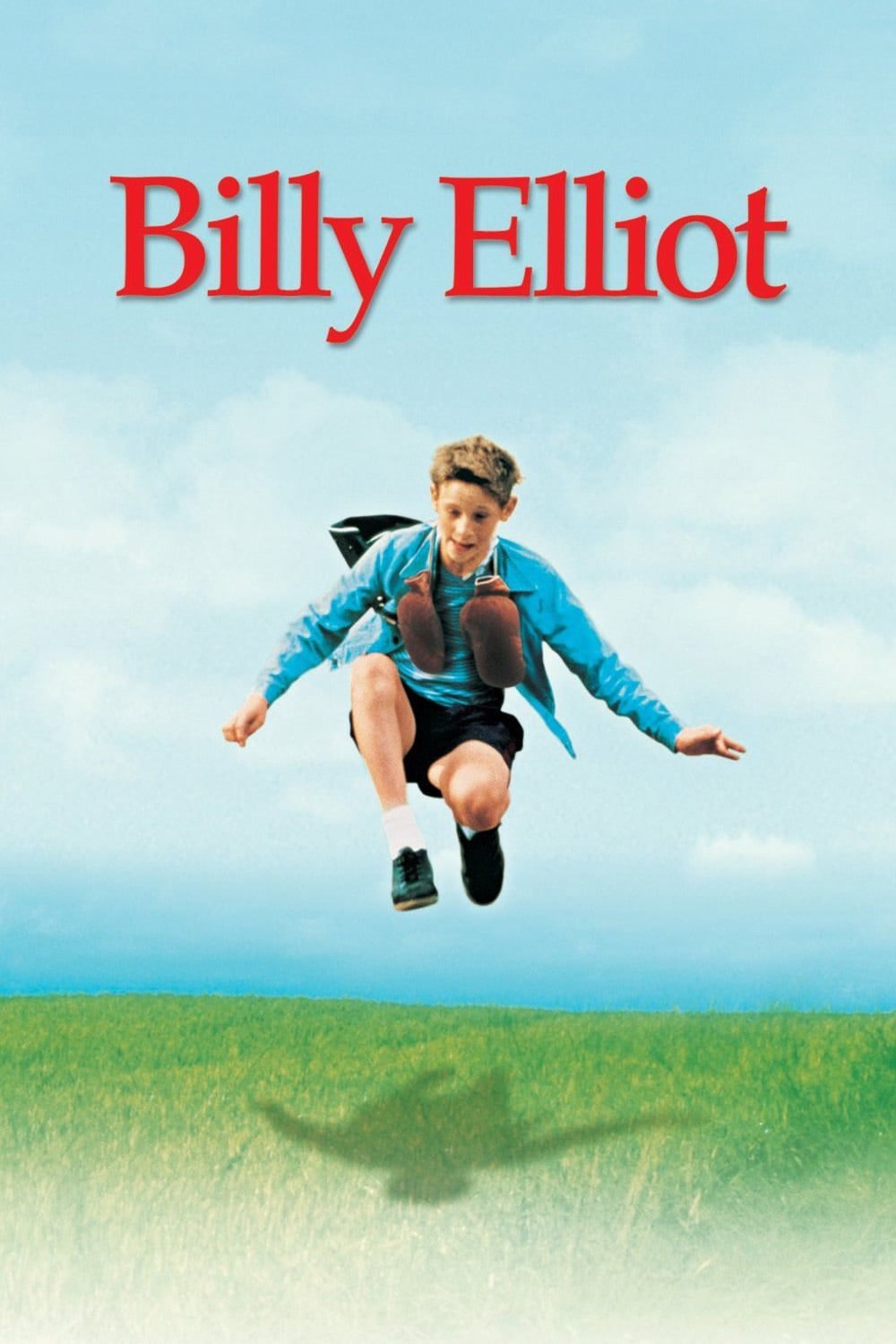
Billy Elliot slipped into my life unexpectedly, during a rain-soaked afternoon when I was searching for something that would disrupt my sense of cinematic complacency. What started as a reluctant choice became an accidental revelation. Maybe it’s because I grew up in a household where showing emotion—much less pursuing anything as vulnerable as dance—was quietly frowned upon, but the film’s passionate defiance against both family and societal expectation hit an exposed nerve in me. Watching Billy practice pirouettes in secret, his young body straining against working-class grit, mirrored my own tangled negotiation between personal desire and what is “acceptable.” That intimate conflict at the heart of Billy Elliot makes it resonate for me well beyond its plot.
The Emotional Landscape: Dancing with Resistance
What truly makes Billy Elliot remarkable, in my eyes, is the way it frames the emotional journey of a boy yearning to break free from the rigid, inherited boundaries of his mining town in 1984 Northern England. The backdrop of the miners’ strike is more than just scenery—a turbulent force that shapes every action, every word spoken in the Elliot household. The family is suffocating not from malice, but from inherited hardship, a sense of pride that has grown thorny with anxiety. At the film’s center is a deep conflict: Billy’s burgeoning passion for ballet is seen as both a betrayal and an impossibility, sparking outrage from his father and brother, both trapped by expectations that manliness is measured by calloused hands, not by delicate arabesques.
Billy’s path is punctuated by earnestness and defiance. He is not trying to “escape” in the typical sense—he doesn’t hate his family or despise his roots—but instead seems to be stumbling, almost blindly, toward his own sense of self. That, for me, is what carries the film: it’s less a story about pursuing a dream, and more a meditation on the fragility of that dream in the face of economic struggle, generational trauma, and self-doubt. Director Stephen Daldry crafts a world so palpably confined that even the light feels rationed, and in this place, Billy’s hope glimmers quietly—but unmistakably.
Unraveling the Film’s Emotional DNA
Billy Elliot is, above all, a film about identity under siege. Identity, both individual and collective, is dissected through the lens of a society in crisis. Every interaction, especially those between Billy and his family, is thick with the question: who are you allowed to become when your life is mapped out in advance? Watching Billy fight for space to exist on his own terms confronted me with how powerfully societies, even loving families, can stifle what is tender and uncommon in us. I find this theme painfully relevant, as we continue to see, in so many arenas, that nonconformity must be justified, explained, even apologized for.
Another central theme that strikes me is masculinity and vulnerability. The film interrogates what it means to be a man, not only through Billy’s experience, but through the suffering and resignation of his father and brother. The miners are physically strong, but broken by economic and emotional instability. Billy’s dance, in contrast, is dismissed as effeminate and worthless—a stigma that lingers even today for boys and men who deviate from “acceptable” forms of self-expression. In 2000, these questions felt especially poignant as society tried to reckon with old binaries; two decades later, I see Billy Elliot as quietly prophetic, sowing seeds for a broader, more merciful conception of masculinity.
At its foundation, the film is a story about hope and rupture. Families are not healed through easy sentiment, but by acts of bravery and moments of honest connection. I’m drawn to how this narrative never suggests that following your dreams will erase pain or hardship, but it does suggest that living truthfully—even fleetingly—is worth the cost. That is a message I continue to find raw and essential.
Hidden Layers: Objects and Gestures That Speak Louder
Billy Elliot’s subtlety is often overlooked by those who remember only the exuberant dance sequences. For me, the film’s visual motifs and recurring objects enrich the narrative, reinforcing the central struggle between repression and release. The boxing gloves, so often presented in contrast to the ballet shoes, encapsulate the tension between gendered expectations and the possibility of personal reinvention. There’s an almost talismanic quality to both: the gloves, heavy and constricting, vs. the slippers, light yet fraught with risk.
Mirrors are another recurring symbol. Throughout the film, we see Billy reflected—sometimes distorted, sometimes sharply—suggesting his ongoing search for self-recognition. Mirrors are not instruments of vanity here; they are windows into selfhood, provoking the question of who Billy will eventually see staring back. I am continually struck by these moments: the glassy surfaces provide both a barrier and a possible breakthrough.
A less overt, but emotionally loaded motif is the act of listening at doors and peering from windows. It’s about boundaries—physical, generational, social—and the near-constant surveillance that shapes Billy’s choices. In my reading, these moments underline the immense courage required to be vulnerable in plain view, even as the world is watching and sometimes waiting for you to fail.
Moments That Redefine the Narrative
Billy’s Furious Dance of Defiance
One of the most unforgettable moments for me is the scene in which Billy, overcome by frustration, bursts into an impromptu, primal dance in the empty street. It’s clumsy, overflowing, even violent—a far cry from the refined ballet for which he’s training. This scene crystallizes the emotional chaos Billy carries: his dancing becomes a language for everything he cannot say, everything too dangerous or shameful to admit. The cinematic energy, pulsing with the music of The Clash, is almost animalistic, and it shifts Billy from a passive boy to an urgent, visceral presence. To me, this is the film’s truth: self-expression isn’t pretty or polite; it comes unbidden, often at the breaking point.
Father’s Silent Sacrifice
Later, when Billy’s father sees his son dance for the first time, what unfolds is a tapestry of conflicting emotions—astonishment, pain, recognition. This quiet acceptance, wordless but seismic, recalibrates the family dynamic entirely. Watching this, I feel the film has mutated from a simple “follow your dreams” narrative into a meditation on intergenerational reconciliation. The camera lingers, allowing us to absorb every flicker of change on the father’s face. For me, the scene’s impact is less about action and more about what is risked emotionally; in that moment, both father and son are fully, unflinchingly exposed.
Audition Epiphany: When Reason Yields to Instinct
Lastly, during Billy’s audition at the Royal Ballet School, the boy is asked why he dances, and he struggles to answer. His eventual articulation—that when he dances, he feels electricity—is both earnest and transcendent. This unsophisticated explanation is the film’s thesis: art is not always rational, but it justifies its own existence through the feeling it produces. I remember feeling shivers when I first watched this scene; it’s an affirmation that passion cannot be explained, only experienced. That, above all, is what I try to hold onto in my own life.
Looking Beyond the Obvious: Critical Takes vs. Personal Truths
Critical interpretations of Billy Elliot often focus on its underdog triumph narrative—a classic, if somewhat limited, reading. Critics tend to spotlight the film’s uplifting message about perseverance, social mobility, and finding one’s voice against adversity. They hail its blend of working-class realism and feel-good charm, sometimes citing it as a sort of “British answer” to the American coming-of-age tradition.
My own relationship with the film is more complicated. While I appreciate the populist appeal, I find something darker and more restless beating beneath its surface. For me, Billy Elliot is as much about the cost of difference as it is about the glory of triumph. The ending is uplifting, but tinged with loss—a sense that some wounds persist, even as new worlds open up. There’s ambiguity in its conclusion, in the fractured family and uncertain future, that lingers longer than the overt victories. It’s this emotional residue that keeps me coming back.
Parallel Cinematic Journeys
- The Full Monty (1997): Both films are set amid working-class struggle in Northern England and explore masculinity, pride, and unlikely artistic pursuits as survival strategies.
- Kes (1969): Like Billy Elliot, Kes chronicles a young boy’s quest for personal fulfillment in a bleak Yorkshire landscape and examines class limitations with unadorned honesty.
- Bend It Like Beckham (2002): Another story about breaking gendered boundaries in the pursuit of a forbidden passion, with humor and cultural specificity.
- Dead Poets Society (1989): This American tale similarly probes the tension between personal aspiration and institutional tradition, with poetry instead of dance.
For the Brave and the Curious
Approaching Billy Elliot now, I invite viewers to look past the nostalgia and pay attention to its subtle provocations—the awkward silences, the undercurrents of fear and longing, the pain that is never fully resolved. To me, understanding the film’s themes of identity, masculinity, and class struggle transforms it from a simple feel-good story into a textured, bittersweet meditation on risk and authenticity. It’s a testament to how art can unsettle us just as much as it inspires. There are no easy answers here, and that’s precisely why, after all these years, I still find myself drawn to Billy Elliot’s world.
Related Reviews
If you found value in my perspective, you might also enjoy exploring my thoughts on other cinematic landmarks such as Kes and The Full Monty.
To broaden this interpretation, you may also explore how critics and audiences responded over time.