
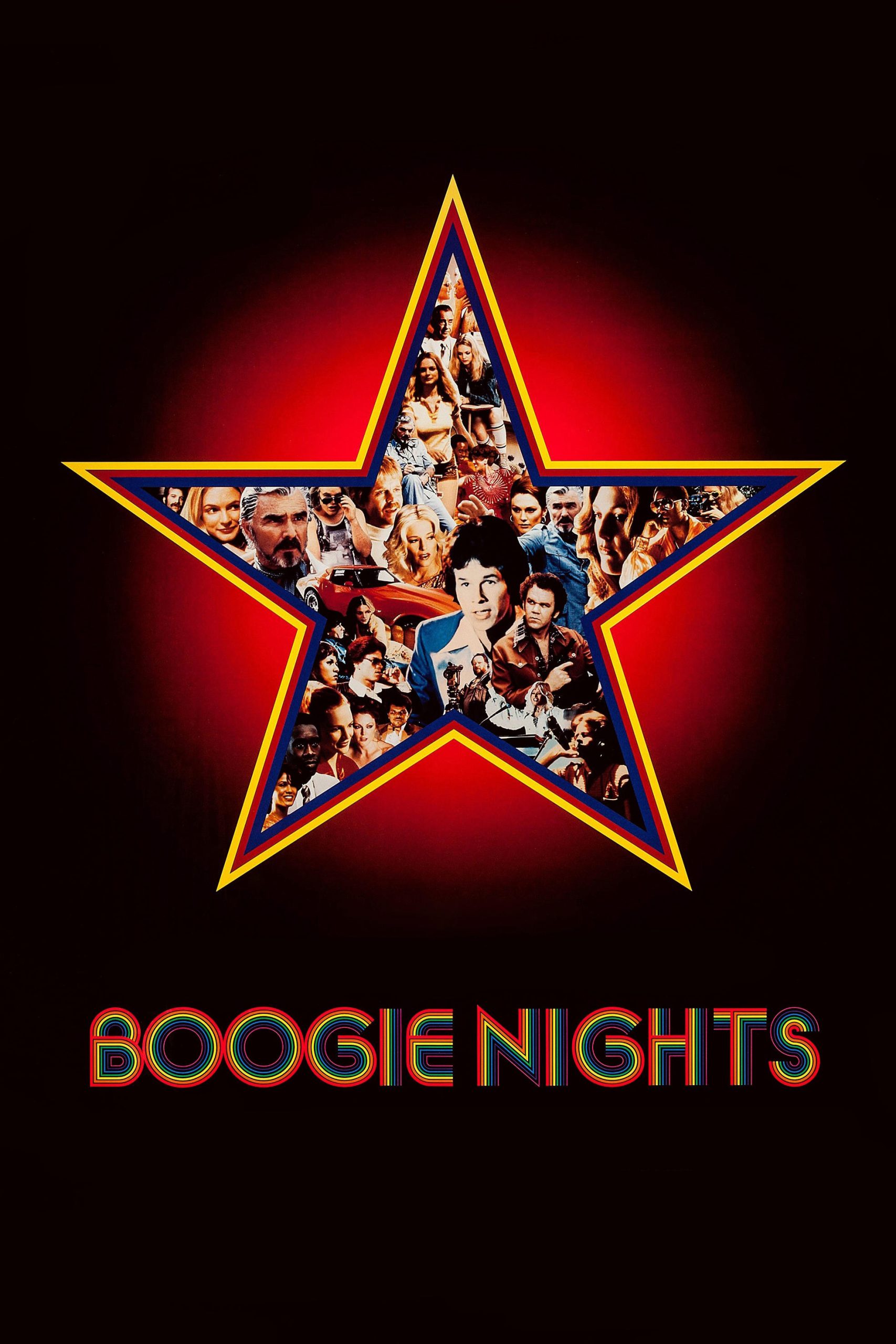
I’ll never forget the first time I encountered “Boogie Nights”—I was too young to see it theatrically, but a battered VHS copy at a friend’s house changed my sense of what movies could accomplish. There was something so raw, so vibrantly alive about those opening tracking shots, that I found myself instantly transported into a world I’d only glimpsed through the fog of nostalgia-laden television documentaries and cultural detritus from the 1970s. In the midst of glitter, polyester, and pulsing disco, I felt not just like a voyeur peeking behind the beaded curtain of the adult film industry, but a participant in a story of hubris, longing, and impossible dreams. This is a film that dances on the razor edge between exuberant celebration and bitter tragedy—and it has continued to fascinate me with each subsequent viewing.
What the Film Is About
On the surface, “Boogie Nights” presents itself as an ensemble drama tracing the meteoric rise and subsequent fall of Eddie Adams, a naive but ambitious young man who is rechristened “Dirk Diggler” within the glitzy yet grotesque world of 1970s pornography. However, what lingers for me isn’t simply the spectacle or scandal; it’s the emotional vulnerability and longing for belonging that stains every frame. These characters, lost souls in a sea of neon excess, are searching desperately for connection. Under Paul Thomas Anderson’s direction, the industry becomes a surrogate family—a motley tribe for the wounded, the hopeful, the forgotten.
Anderson uses the shimmer of the era’s excess as a Trojan horse to smuggle in a potent meditation on the volatility of fame and the limits of reinvention. Watching Dirk’s journey—not just his ascent, but his seemingly inevitable plummet—reminds me of how quick the American dream can curdle into nightmare. There’s a persistent emotional undertow, a sense that every character is running from frailty, past trauma, and emptiness, attempting to fill the void with sex, power, chemicals, or—most devastatingly—camaraderie that’s as fleeting as the spotlight.
Core Themes
The soul of “Boogie Nights” orbits around several interlocking themes, each more startling in its relevance today than perhaps in 1997. The most immediate is the pursuit and cost of identity. In a subculture designed to project fantasy, everyone is performing someone else’s version of themselves. Dirk Diggler is the epitome: a persona crafted by others, but also zealously embraced in the hope of transforming Eddie Adams into something mythic. Is it possible, the film asks, to define oneself authentically in a society obsessed with image?
I’ve always found the dynamic of power and exploitation particularly striking, not simply in the predator-prey relationships within the adult industry, but in the subtler forms—emotional, financial, psychological—that play out. The surrogate family created by Jack Horner offers shelter for the broken, but its safety is conditional and its love transactional. There’s a brutal honesty here that smashes the rose-colored allure of “found families”—Anderson gifts us a band of misfits, yes, but they are not immune to fracturing.
Set against the backdrop of seismic cultural change—cocaine-driven capitalism, the end of celluloid, the dawn of videotape—”Boogie Nights” maps the tectonic shifts that signify the collapse of old certainties. In 1997, as now, this theme of technological displacement and existential dislocation feels uncannily prophetic; it’s impossible not to see our own contemporary anxieties mirrored in the film’s depiction of an industry (and its denizens) cast aside by newer, colder realities.
Symbolism & Motifs
The first motif that haunts me is Anderson’s use of the long, swooping tracking shot, especially in the film’s opening. For me, these shots don’t just establish geography—they evoke the giddy, all-consuming euphoria of entering a world that promises escape and reinvention. There’s a seductive, dreamlike quality, but as the film darkens, the same technique steals the air from the room, rendering the spaces claustrophobic, a haunted house of faded dreams.
Mirrors and reflections abound, serving as both literal and metaphorical signposts: characters see themselves as they wish to be, fractured into personas, or else shattered by reality. Dirk’s preening in the mirror, reciting “I’m a star,” aches with the desperation to believe that self-delusion can become identity. I see these moments as brutal signifiers of the chasm between authenticity and performance—every reflection is a silent accusation.
The motif of light and darkness—garish daytime exteriors melting into drug-soaked nocturnal descents—reinforces the film’s central dichotomy. The golden glow of early success gives way to lurid reds and sickly greens, as if the celluloid itself is decaying. Every lighting cue deepens the sense that the party is over, that innocence is irretrievably lost. Even the recurring sound cues—disco evolving into pounding synths and awkward silence—suggest a seismic shift from communal ecstasy to individual despair.
Key Scenes
Into the Lion’s Den
There are few scenes as harrowing—and expertly constructed—as the infamous drug deal sequence with Alfred Molina’s coked-up, gun-toting dealer. From the moment Dirk, Reed, and Todd enter that garish living room, the stakes feel apocalyptic. The chaos of fireworks outside, the stoned paranoia, the sense of impending doom—every beat becomes an excruciating exercise in escalating tension. What devastates me is how Anderson transforms a petty crime into an existential reckoning: the failed heist is the nadir of Dirk’s desperation, puncturing every illusion of invincibility. The scene is a masterclass in how absurdity and terror can exist side by side, and for me, it’s where the film’s emotional brutality hits hardest.
The Church of Jack Horner’s Set
One of the most fascinating sequences comes not in the midst of chaos, but during the gently orchestrated shoots on Jack Horner’s set. When Jack describes his ambition—to craft “a film that’s a cut above”—there’s an almost religious fervor. These are the scenes where the characters seek validation, respect, and artistry in an industry systematically denied both. I always find myself moved by the yearning to make something beautiful, even if the medium is dismissed as tawdry. The scene unearths the dignity and delusion that coexist in pursuing greatness on society’s margins, suggesting that ambition, no matter the context, is a deeply human enterprise.
Breaking Down in the Car
No moment in “Boogie Nights” has ever stung me like the sequence of Dirk, cast out and broken, attempting to engage in sex work in a lonely parking lot. There’s no glamour, no soundtrack—just humiliation and devastation. What’s most powerful is how this scene demolishes the artifice that has sustained Dirk’s bravado throughout the film. Here, Anderson lays bare the price of belief in one’s myth; Dirk’s collapse is freighted not simply with lost opportunity, but with the realization that his self-worth was always conditional. The naked vulnerability in Mark Wahlberg’s performance in this moment remains, for me, one of the most painfully honest truths the film reveals.
Common Interpretations
“Boogie Nights” has frequently been labeled a cautionary tale, a neo-Scorsesean meditation on the toxic allure of the American dream and the inevitable implosion in the face of excess. Critics laud its technical virtuosity, its unflinching honesty, and its ensemble cast. Many compare it to “Goodfellas”—a film to which Anderson himself has often paid homage—and celebrate its panoramic view of a subculture previously marginalized or ridiculed. The film is praised for its humor, its dynamism, and its empathy for outcasts.
Yet, I bristle at the limiting label of tragedy. For me, “Boogie Nights” is not simply about failure or moral collapse. It is also about resilience, about the stubborn hope that flickers even after disgrace. What resonates most deeply is the search for connection—a kind of battered grace that endures, even amid squalor. The warm glow of the final scenes, their restrained optimism, feels not like naiveté but as an acknowledgment of the messy, cyclical reality of human longing. I see the film as ultimately compassionate, refusing to reduce its characters to objects of pity or ridicule.
Films with Similar Themes
- Magnolia (1999): Paul Thomas Anderson again explores the complexities of broken families, addiction, and seeking meaning in the chaos of contemporary life.
- Saturday Night Fever (1977): Both films delve into the intoxicating, yet ephemeral, worlds of nightlife and performance as routes to self-invention amid social stagnation.
- Requiem for a Dream (2000): An unflinching examination of addiction and broken dreams, sharing “Boogie Nights'” amalgam of empathy and brutality.
- Goodfellas (1990): The rise-and-fall narrative structure and themes of misplaced loyalty and corrupt family dynamics run parallel, even as the settings diverge.
The Value of Revisiting “Boogie Nights” Today
For anyone willing to engage honestly with its world, “Boogie Nights” remains disarmingly fresh—and eerily relevant. The anxieties it exposes about identity, fame, belonging, and obsolescence are not the property of any one era. Watching it now, I find the film’s candor and artistry even more essential. It reminds us that beneath the surfaces we project, there are battles no amount of glamour can conceal. To see the pain and hope in its characters is to grapple with the messiness of humanity—and that is what makes this film feel urgent, vital, impossible to forget.
Related Reviews
If you found value in my perspective, you might also enjoy exploring my thoughts on other cinematic landmarks such as “Goodfellas” and “Magnolia”.
To broaden this interpretation, you may also explore how critics and audiences responded over time.