
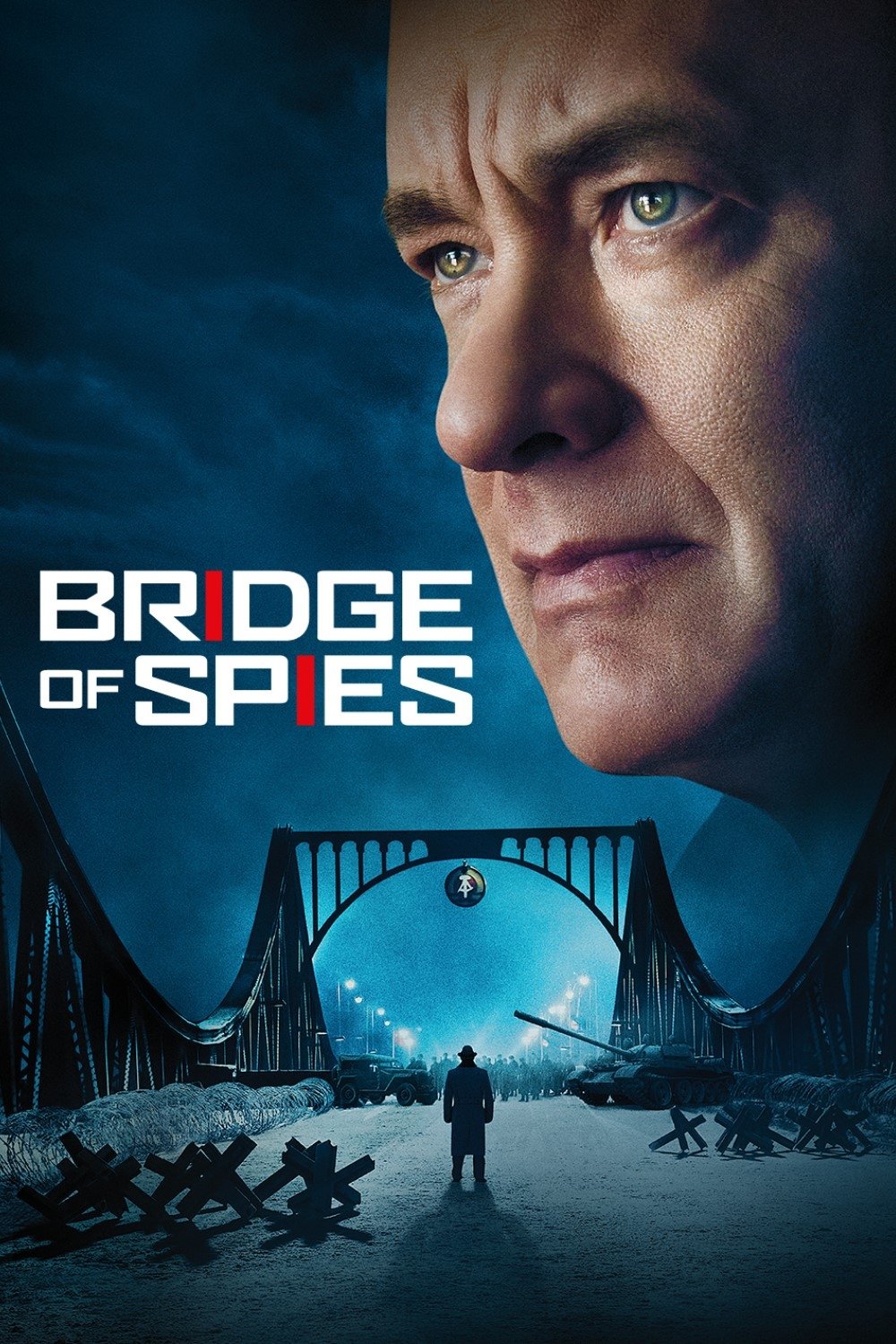
The Cold Wind on My Neck: The Uneasy Humanity of “Bridge of Spies”
The first time I watched “Bridge of Spies,” I felt myself hunch inward, almost shivering at the moral chill that permeates every scene. It wasn’t the espionage or the politics that unsettled me—the film’s real tension lies deeper, borne on the narrow shoulders of a single insurance lawyer who becomes an unlikely lodestar of integrity. What I remember most is not the bustle of New York nor the bleak divisions of Berlin, but the way Tom Hanks’s James Donovan walks, spine straight even as the world around him curves into cynicism. This isn’t just a story about the Cold War; it’s a meditation on the cost of decency when the world prefers expediency.
Choosing Principle When No One is Looking
If I had to distill what “Bridge of Spies” means to me, it’s the film’s stubborn insistence that personal principle survives only if we defend it in unglamorous, private moments. Donovan’s journey is less about negotiating with Soviets than about the daily, uncelebrated work of holding the line. Spielberg’s direction spotlights this with almost painful intimacy. The camera lingers on Donovan’s small gestures: a tired sigh as he studies legal briefs, the steady way he offers Rudolf Abel a glass of water. Each moment quietly builds a portrait of a man who does not adjust his moral compass to fit the weather of public opinion. In a genre that traditionally prizes action and deception, I find the film’s real suspense in watching whether Donovan will bend, even just a little, to the storm of fear around him.
What is a “Spy” When the World is Watching?
There’s a kind of haunting poetry in how “Bridge of Spies” interrogates the word “enemy.” For Donovan, the line between “ours” and “theirs” is slippery, sometimes even absurd. Abel, the Soviet spy, becomes less a villain than a mirror. There’s a remarkable dignity to Mark Rylance’s performance; every twitch of his mouth, every placid blink, seems to challenge the conventional wisdom that worth or humanity is determined by nationality. The film refuses to let the audience—or Donovan—dismiss Abel as a cipher for Soviet evil, and in doing so, asks who we become when we deny the enemy’s full humanity. I found myself feeling strange sympathy, even kinship, with a man trained to be inscrutable.
The Berlin Wall: Concrete and Metaphor
Spielberg might as well tattoo the Berlin Wall onto our retinas, but it’s more than just a set piece. I came to see the wall as not only a geopolitical fact but a living, pulsing metaphor for the psychic boundaries we construct during times of crisis. Every time the camera skirts its cold, graffitied surface, I sense the way fear calcifies, making monsters out of neighbors. The wall’s real terror is how easily it turns the idea of “us” and “them” into a self-fulfilling prophecy, a daily architecture of suspicion that seeps into every conversation. What the film invites us to feel—and perhaps regret—is how quickly we seek safety in division rather than risk the vulnerability of understanding.
Negotiation as Moral Theater
The prisoner exchange at the Glienicke Bridge is the film’s ostensible climax, but I feel the real drama happens in the quieter, tenser negotiations layered throughout. The boardroom scenes, the secretive back channels, the letters passed through intermediaries—these are not just plot mechanics, but stages for moral argument. Every negotiation in “Bridge of Spies” is a test of the soul, pressing Donovan to weigh practical gain against the erosion of his own values. What struck me most is how Spielberg frames diplomacy as an act of imaginative empathy; Donovan must constantly ask, “What if it were my child? My countryman? Myself?” The weight of this empathy is almost suffocating at times, but it’s also the only light left in a world deadened by realpolitik.
Private Integrity, Public Scrutiny
I am drawn, almost compulsively, to the way Donovan’s private life is upended by his public choices. The film is merciless in depicting the cost: threats to his family, suspicion from his neighbors, and icy rebuke from his peers. These trials strip the heroism from Donovan’s actions, leaving something grittier and more authentic—an insistence that principle is only meaningful if it can survive the contempt of the crowd. It’s the little indignities that sting: the slashed tire, the muttered insults, the wary glances of strangers. In these moments, “Bridge of Spies” becomes a film not about grandstanding, but about the quiet agony of holding on to one’s own sense of right when no one seems to care.
The Meaning of Mercy in a Hostile World
Leniency is a word rarely associated with Cold War thrillers, yet in Spielberg’s hands, mercy becomes the film’s hidden engine. Donovan’s insistence that Abel receive a fair trial feels quixotic at first, but gradually morphs into the most radical act possible in a climate of suspicion. Mercy, the film argues, is not weakness, but the truest test of moral strength—especially when it’s extended to those considered least deserving. I find myself haunted by the question: Is mercy truly possible without assurance of reciprocity, or is it something we perform in the hope of preserving our own humanity, even if the world sneers?
Shadows of Doubt and Flashes of Hope
Despite its wintry palette, “Bridge of Spies” harbors a surprising, almost stubborn hope. I see it in the way Spielberg frames children playing, oblivious to the world’s dangers, and in the stolen glances of relief when the exchange is complete. Yet the film refuses sentimentality; every hard-won victory is tinged with ambiguity. The final moments—Donovan on a Brooklyn train, watching children leap fences—echo the possibility of freedom but also the fragility of the peace he’s brokered. What lingers with me is not triumph, but the precariousness of justice, the sense that history’s scales are always in danger of tipping.
The Past in the Present: Why “Bridge of Spies” Resonates Now
I thought at first this film was content to tell a story of a long-gone era, but each viewing blurs the boundary between then and now. The anxieties of “Bridge of Spies”—the temptation to vilify, the slow creep of fear, the isolation of dissent—feel unnervingly familiar in our own age of polarization. Spielberg, alongside the Coen brothers’ deft script, insists that the past can only be survived by those willing to persist in small acts of trust and decency. For me, the film has become less a lesson in history than a plea for vigilance, a reminder that the real battle for the soul takes place not in war rooms, but in the living rooms and quiet corners of our own lives.
Two Kindred Journeys Worth Discovering
For anyone who finds themselves moved by “Bridge of Spies,” I urge you to seek out “The Spy Who Came in from the Cold” and “To Kill a Mockingbird.” The first simmers with the same gray tension and moral ambiguity; the second, though set worlds apart, resonates with the same dogged pursuit of justice in the face of public scorn. Both films, like Spielberg’s, refuse easy answers—and that, I suspect, is why they linger.
If you’re curious about how this film was originally perceived or how it compares to similar works of its era, these resources may be helpful.