
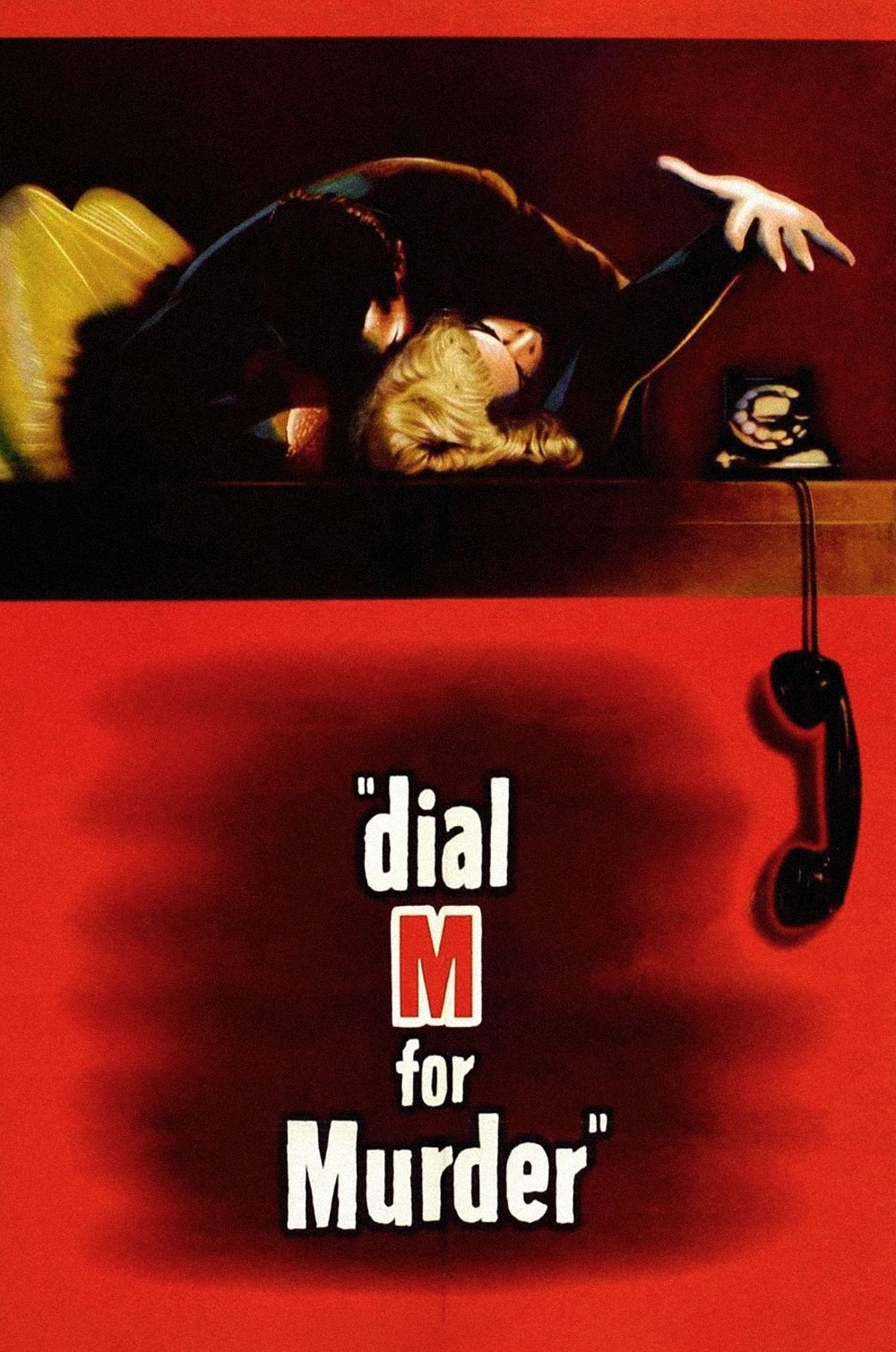
Entering the Parlor of Suspicion
I’ve always found that certain Hitchcock films don’t just invite me to watch—they dare me to participate. Dial M for Murder is one of those rare cinematic puzzles where I’m not just observing the characters’ moves; I’m constantly measuring my own sense of morality against theirs, caught in the taut wire of suspense that only Hitchcock could twist so expertly. The film’s primary setting—the posh London flat—doesn’t just contain the drama; it becomes a kind of stage, a psychological terrain where every glance and gesture is laced with the unspoken. From my first viewing, I felt the walls themselves had secrets.
The Poison Beneath the Polite
What struck me more than the famous set pieces or the meticulous plotting was the way appearance and civility mask venomous intent. There’s a particular satisfaction in watching Ray Milland’s Tony Wendice manipulate his world with such precise, almost surgical politeness. It’s the sort of surface-level gentility that encourages everyone—especially the viewer—to let down their guard. Hitchcock suggests that the most dangerous threats aren’t the ones who barge in with menace, but those who smile disarmingly and pour you a drink. The tension comes not just from the mechanics of Tony’s plot but from how easily evil can hide behind decorum.
A Marriage Meant for Dissection
I think a lot about what the film is really dissecting beneath its thriller trappings. For me, Dial M for Murder is a deep, cynical meditation on the performative aspects of marriage. The Wendices’ relationship is chilling not because it’s filled with cruelty, but because its routines are so believable. The little domestic rituals—almost comforting at first—take on sinister meanings once you realize that Tony’s affection is calculated, not genuine. What looks like love is actually a transactional charade, a facade that both characters maintain out of habit and necessity, until the mask slips. I find myself asking: How much of our daily niceties are performed, and how close are we to slipping into something darker?
The Dance of Cat, Mouse, and Audience
This film never lets me feel passive—even as the supposed “cat” stalks his prey, I’m unsettled by how quickly those roles shift. The audience is constantly repositioned between complicity and helplessness, invited to participate in Tony’s web while recoiling from its cruelty. The real genius is that Hitchcock doesn’t force me to choose a side; instead, he pulls me through the machinery of suspicion, making me complicit in both the crime and its unraveling. It’s as if the director is whispering, “Which side of the glass do you think you’re on?” and never quite giving me the answer. This ambiguity is the film’s dark heart—the thing that lingers long after the credits roll.
Visual Geometry of Entrapment
One of the things that always draws me back is Hitchcock’s use of space. The single apartment set isn’t just an economy of storytelling; it’s a labyrinth. The choreography of the camera, with its low angles and carefully plotted movements, turns the living room into a chessboard, every line of sight a potential threat or escape route. I’m constantly aware of doors, keys, phones—the tangible symbols of freedom and imprisonment. The infamous telephone isn’t just a tool for murder; it’s a lifeline and a trap. The film’s visual language makes me hyper-aware of how easily safety can be breached and how quickly the familiar becomes treacherous.
Morality as Sleight of Hand
What keeps gnawing at me, long after the final reveal, is the way the film manipulates my sense of justice. Hitchcock seems to delight in making me question who deserves sympathy and who is truly culpable. Grace Kelly’s Margot, for all her innocence, is far from an idealized victim—her own secrets and moments of calculation muddy the ethical waters. Tony is unmistakably the villain, but his charm and intelligence force me to reckon with how easily charisma can warp my sense of right and wrong. The film doesn’t offer the satisfaction of pure villains and heroes; instead, it muddies the moral waters, inviting me to ponder my own ethical blind spots.
The Unseen Hand: Fate or Calculation?
I can’t help but marvel at how Dial M for Murder toys with the idea of fate versus free will. Every detail—the placement of a key, a missed phone call, the slight hesitation before an action—feels both random and inevitable. Hitchcock wants me to feel the weight of contingency, the sense that the smallest decision can tip a life from safety to catastrophe. There’s a kind of cosmic irony to it all, as if the universe itself delights in exposing human hubris. When the meticulously crafted plan unravels because of trivial missteps, I’m reminded that no amount of cunning can outwit the unpredictable chaos that governs real life.
When Guilt Lurks in the Shadows
What I find most subversive about the film is its treatment of guilt. Guilt isn’t just a matter of legal culpability, but a psychological force that shapes every gesture and glance. Even Margot, wrongly accused, exudes a kind of existential guilt—a sense that somewhere, somehow, she’s complicit in her own predicament. I’m drawn to the way the film blurs the line between being guilty and feeling guilty. In Hitchcock’s world, innocence offers no protection from dread; to be caught in the machinery of suspicion is to be transformed, marked forever by the shadow of wrongdoing.
My Favorite Echoes: Two More Films to Seek Out
Whenever I recommend Dial M for Murder, I find myself thinking about two films that provoke similar questions about trust, deception, and the danger lurking beneath everyday life. Both transport me into worlds where the surface is never quite what it seems:
- Shadow of a Doubt (1943) – Hitchcock’s earlier masterpiece, steeped in the slow-building menace of evil hiding in plain sight.
- Double Indemnity (1944) – Billy Wilder’s razor-sharp noir, where the plotting of a perfect crime exposes the dark undercurrents of seemingly ordinary lives.
If you’re curious about how this film was originally perceived or how it compares to similar works of its era, these resources may be helpful.
🎬 Check out today's best-selling movies on Amazon!
View Deals on Amazon