
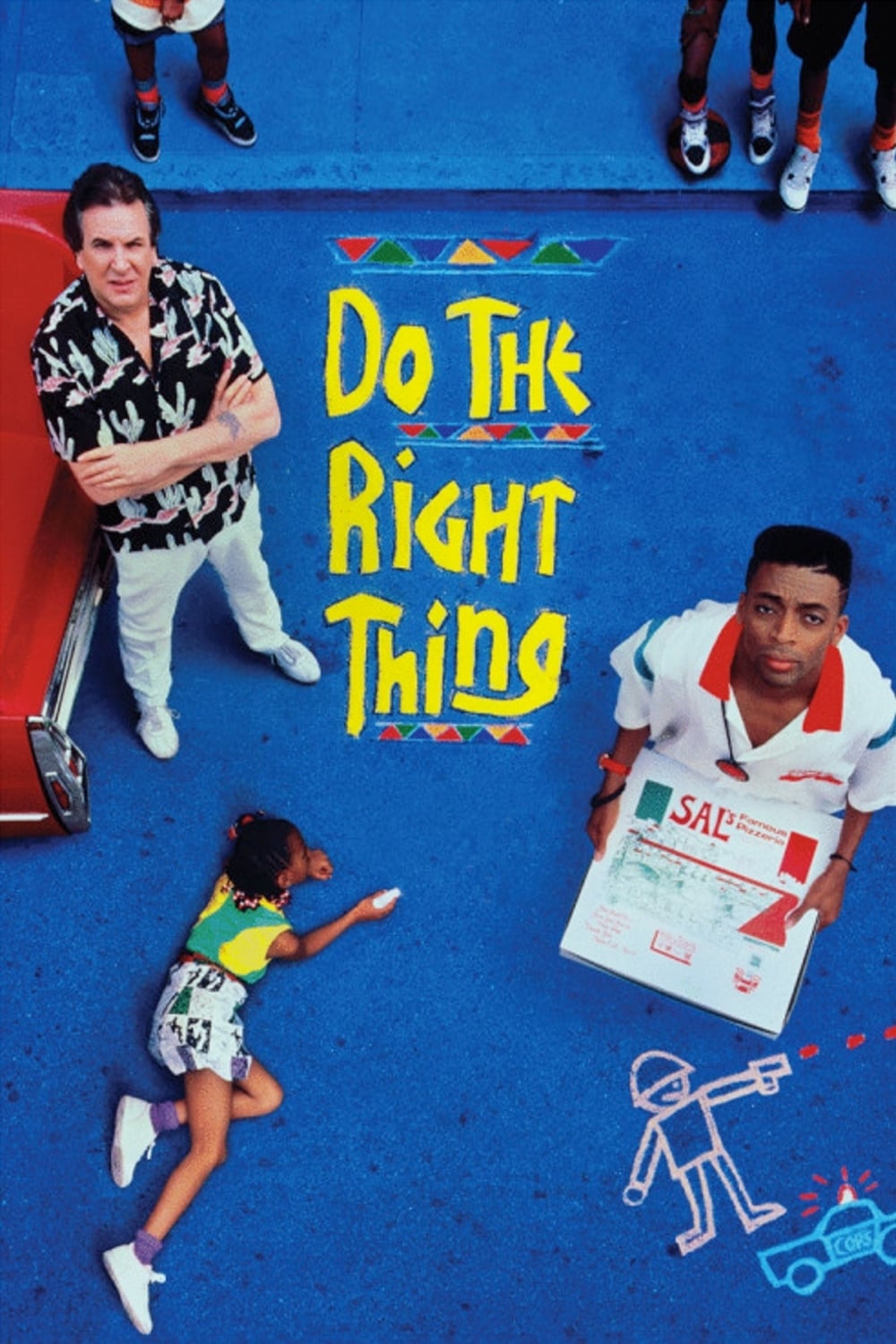
Heatwaves and Hard Truths: My First Encounter with Bed-Stuy
I remember how the stifling heat of Spike Lee’s “Do the Right Thing” hit me harder than any New York summer I’d ever experienced. From the very first shot, I realized I wasn’t entering someone else’s story—I was walking a block in their shoes, sweating through my shirt, fighting for breath. This film never let me forget where I was: a vibrant, volatile Brooklyn neighborhood where every color, sound, and gesture mattered. The film’s relentless temperature—literal and figurative—became more than backdrop; it was an agent, a character, a pressure cooker turning simmering tensions into a full boil.
The World in a Block: Microcosms and Magnifications
As I watched the people of this one street—Sal’s Pizzeria, the Korean grocers, Da Mayor, Mother Sister—I got a sense that every ordinary interaction brimmed with accumulated history. This block isn’t just a street; it’s a microcosm of urban America, capturing layers of race, class, pride, and resentment that rarely get more than a passing glance in cinema. Every small talk, every silent glare, every “Hey, I’m walkin’ here!”—these fragments stacked up until they felt as weighty as monuments. I saw the film’s form mirroring its message, with the camera gliding from character to character like a neighbor watching through a cracked window. The tight focus on a single place exposes how a thousand small wounds can explode into a communal emergency.
The Currency of Respect and Recognition
What struck me most deeply was how every character, from Mookie to Buggin’ Out to Sal himself, is driven by a desperate need for respect—personal, familial, cultural. To be seen, to be acknowledged, to have your pain and your presence validated—this yearning threads through every conversation and confrontation. Spike Lee’s script doesn’t offer simple heroes or villains; instead, he peels back self-justifying facades to expose how quickly respect can turn into rage when denied. I was left wondering: when does a demand for recognition become a breaking point? For me, the film’s heart lies in the shades of pride and humiliation, and how easily one can tip the other into violence.
The Wall of Fame and the Invisible Boundaries
I still can’t shake the image of Sal’s Wall of Fame—those framed Italian-American faces, hanging silent but shouting exclusion. This wall, at once literal and symbolic, encapsulates the film’s fundamental tension: who belongs, and who doesn’t? The battle over representation is neither trivial nor cosmetic. When Buggin’ Out asks why there are no Black faces in a business that thrives on Black customers, it’s not just about photos; it’s about generational erasure and the demand for cultural affirmation. That wall is as much a boundary as the locked doors or the invisible lines separating neighbor from outsider. Watching the argument unfold, I felt the sting of being reminded, in subtle and overt ways, of who gets written into the story—and who gets left out.
Heat as Catalyst, Heat as Excuse
No analysis of “Do the Right Thing” is complete without reckoning with the heat—not merely as weather, but as emotional accelerant. The relentless sun strips away civility, patience, and pretense. I found myself sweating along with the characters, my tempers rising with theirs, feeling that collective fever. The film’s color palette—saturated reds, yellows, and oranges—burns into memory, visually echoing how every grievance gets amplified. Heat here is not just inconvenience; it’s a symbol of the accumulated, generational stress endured by a community denied cool relief. It prompts a question that stuck with me long after the credits: in a place always simmering, how big a spark does it take to set everything ablaze?
Words as Weapons, Silence as Surrender
Lee’s dialogue—sometimes playful, sometimes venomous—became for me a kind of street boxing match. Every exchange is charged, every phrase a potential trigger. There’s never small talk for small talk’s sake; even the jokes feel edged. I kept noticing how arguments around pizza and music morph into reckonings about dignity, opportunity, and survival. But equally powerful are the moments of silence: Mookie pausing before tossing the trash can, Sal’s wordless devastation as his life’s work goes up in flames. The film’s careful juxtaposition of cacophony and stillness makes every word count, but also exposes how words can fail us when we need them most.
Radios, Graffiti, and Cultural Territory
Radio Raheem’s boom box and the music that pours out of it aren’t just aural wallpaper—they’re boundary markers, lines drawn in the sand of this street. Public Enemy’s “Fight the Power” isn’t just a soundtrack; it is a rallying cry, a challenge, an anthem of resistance and frustration. Watching Raheem’s presence, I realized his music is both shield and sword, carving out personal space in a world that tries to shrink him. Graffiti tags and hand-painted slogans claim the urban canvas, asserting existence where formal institutions ignore it. These gestures, loud and visual, become a language of self-affirmation in a place where official recognition is scant or denied.
Who Decides What’s Right? The Unanswerable Question
Even after multiple viewings, I find myself circling the question of the film’s title. Does anyone, ultimately, do the right thing? Lee refuses to settle for pat moralizing; there’s no easy answer, no single act of justice that sets things right. Mookie’s climactic decision is both understandable and troubling; it’s not a neat, redemptive gesture but a complicated surge of anger, grief, and necessity. When the screen fades to contrasting quotes from Martin Luther King Jr. and Malcolm X, I’m left with the sense that the film’s true power lies in its refusal to resolve contradiction. It exposes the impossibility of tidy ethics when every action is shaped by layers of history, pain, and hope.
Memory, Mourning, and the Morning After
The day after the violence, the block is changed but also eerily the same. The morning’s aftermath isn’t catharsis—it’s continuation. The rubble of Sal’s Pizzeria is swept up, but the walls separating people remain stubbornly intact. I was struck by how Lee declines to offer closure. Mother Sister still watches, Da Mayor still wanders, the sound of sweeping brooms fills the air. It’s a stubborn, unromantic reminder that there’s no final reconciliation—only the ongoing, imperfect struggle to live together amidst wounds that haven’t healed. The cycle resumes, uncertain and unresolved, and I am left haunted by the sense that the real work is never finished.
Continuing the Conversation: Two Classic Echoes
If “Do the Right Thing” left me raw and illuminated, I found myself searching for other films willing to probe the friction of community, identity, and unrest with the same intensity. Akin to Lee’s vision, Sidney Lumet’s “12 Angry Men” uses a single, sweltering setting to dissect the fragile line between personal bias and social justice, while Norman Jewison’s “In the Heat of the Night” brings racial tensions to a small Southern town and forces viewers to confront the costs of dignity and the price of prejudice. Both remain vital companions to Lee’s urgent masterpiece.
If you’re curious about how this film was originally perceived or how it compares to similar works of its era, these resources may be helpful.
🎬 Check out today's best-selling movies on Amazon!
View Deals on Amazon