
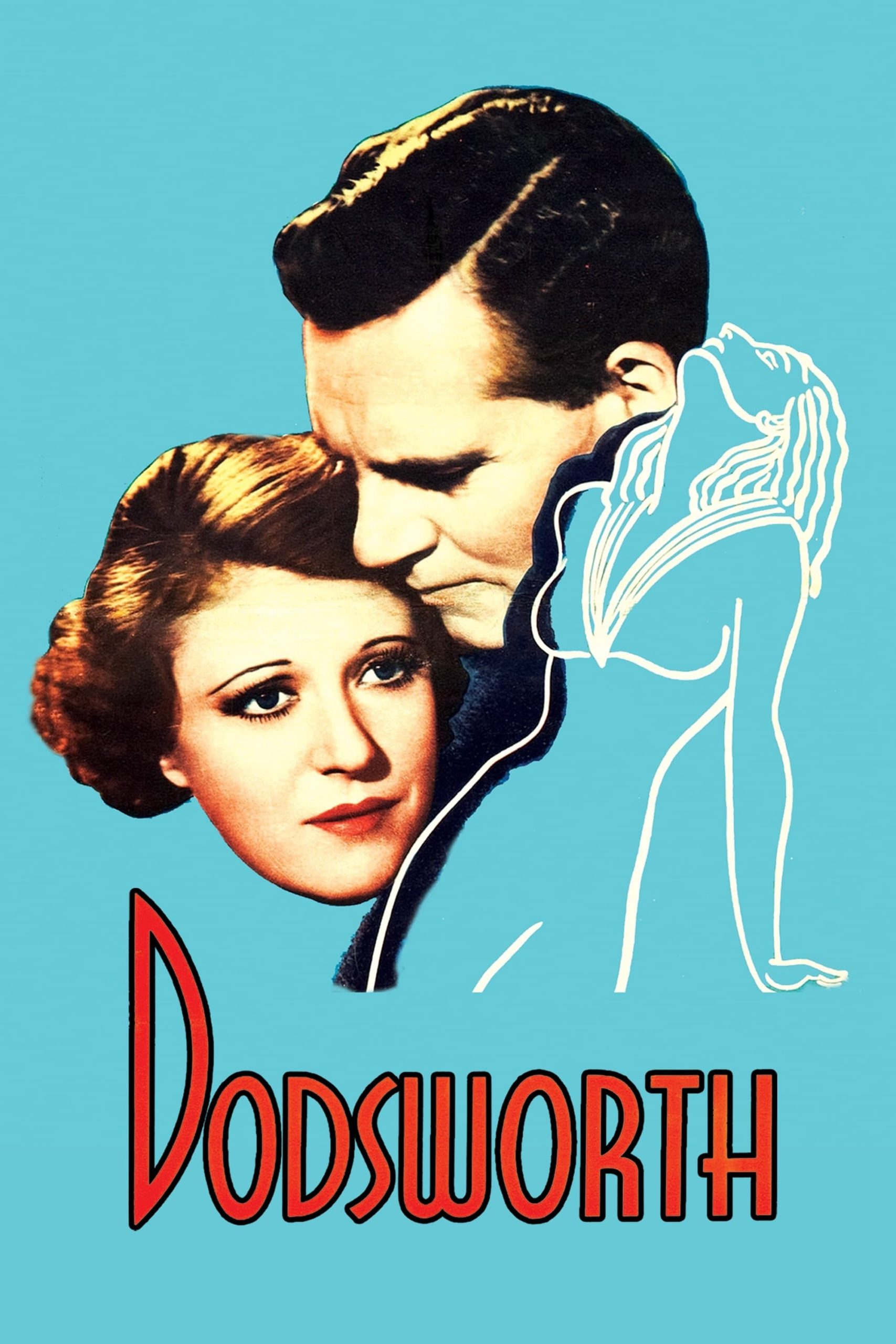
The Ache Beneath the Surface of Affluence
I remember the first time Dodsworth washed over me, how its sheen of drawing-room elegance almost fooled me into expecting mere marital melodrama. But beneath every civilized exchange and every lush European backdrop, I found the raw ache of dislocation—a portrait of people lost amid all the trappings they once believed would complete them. Walter Huston’s Sam Dodsworth, so sturdy and self-assured as an American industrialist, is, by the film’s end, a man stripped naked by experience. This isn’t a story of money or travel, but a meditation on what happens when lifelong ambitions leave the heart unmoored.
American Success and Its Private Toll
Every time Sam Dodsworth glances at his wife with the weary patience of a man who’s built an empire, I see an indictment of the American dream. He has everything: respect, wealth, a legacy. But the film keeps asking, with each tight smile and awkward dinner, what good is achievement if it leaves you a stranger in your own life? Ruth Chatterton’s Fran Dodsworth, too, seems like someone who should be content, but her hunger is bottomless, her restlessness palpable. The very success that was supposed to bind them becomes a wedge. Dodsworth is quietly merciless in showing how material triumph can mask emotional emptiness—and that the cost of striving is sometimes paid in intimacy and self-understanding.
Exile Without Leaving a Trace
I can never separate Dodsworth from the feeling of exile that permeates every scene. Sam and Fran are literal tourists, but the film’s genius lies in making their alienation emotional as much as geographical. The Europe they traverse is less a playground and more a mirror, reflecting back all their mutual disappointments and private fears. Fran, dazzled by Continental sophistication, is desperate to escape her age, her marriage, and, ultimately, herself. Sam, meanwhile, is bewildered to find that success at home means nothing on foreign shores—or in his own home, for that matter. There’s a sadness in watching people who’ve invested everything in the future discover that the future isn’t what they imagined, and that home may never be found again.
Marriage as Illusion and Battlefield
One of the film’s most bracing qualities is its refusal to idealize marriage. Dodsworth looks at the institution with a clear, almost clinical eye. The Dodsworths’ union, after decades, is revealed as a partnership built on routine more than shared values. The emotional violence in their conversations—each disappointment disguised as a polite phrase—feels truer to me than any physical confrontation could. Fran’s pursuit of youth and romance isn’t just selfishness; it’s a howl against mortality, a refusal to fade into the background. But Sam’s bewildered dignity is itself a response to a different kind of terror: the fear that years of hard work have left him emotionally illiterate. Their struggles are the struggles of anyone who wakes up one day and realizes their dreams have quietly diverged from those of the person beside them.
Age and the Seduction of Reinvention
What strikes me most about Chatterton’s Fran is how vividly she embodies the terror of aging. Dodsworth is unblinking in exploring the desperation to remain relevant and desirable—in a world that values neither aging women nor contented men. Fran’s dalliances and aspirations, so easily dismissed as vanity or folly, are drawn with real empathy; I recognize the pain behind her decisions. The film doesn’t judge her for being unwilling to settle, even as it reveals the damage she causes. Aging here is equated with erasure, and to resist it is an act of defiance—albeit one that leaves collateral damage in its wake.
Travel as Catalyst, Not Escape
Every European vista in Dodsworth is layered with irony. The script seems to dangle freedom and self-discovery in front of its characters, only to snatch them away with the cold hand of reality. Travel isn’t an escape; it’s a device that strips away the roles and routines in which Sam and Fran have hidden from themselves. Their trip becomes a forced confrontation with questions long avoided: Who are they, really, without the props of work and family? The tension in every hotel lobby and train station is the tension of people realizing that they are not at home anywhere—not even together.
Mary Astor’s Presence and the Possibility of Grace
There’s a kind of hush that enters the film whenever Mary Astor’s character, Edith Cortright, appears. Her scenes with Sam are among the most honest in the film. Astor’s gentleness is not just a contrast to Fran’s fire; it’s an embodiment of the peace that comes from self-knowledge. Edith has suffered and lost, yet she is unafraid to live quietly and sincerely. Her presence offers Sam—and, I suspect, many in the audience—the hope that it’s possible to rediscover yourself after chaos, and that connection built on candor can still be found, even late in life. But the film never lets us forget that this is a hard-won grace, not a given.
Unvarnished Looks at Modernity and Gender
Few films of this period felt as ahead of their time to me as Dodsworth in its treatment of gender. Fran’s longings and Sam’s bewilderment are not simply personal flaws but byproducts of a world rapidly changing under their feet. The film is acutely aware that modernity has made old roles obsolete; Fran’s desire for autonomy and adventure is unthinkable in her parents’ era, while Sam’s confusion is the confusion of a generation of men whose authority is suddenly fragile. The film neither punishes nor rewards its characters neatly, but rather documents with remarkable honesty the cost of living through a social revolution.
Why Dodsworth Still Feels Like a Quiet Revolution
What lingers with me most isn’t just the performances or the dialogue, sharp as they are, but the sense that Dodsworth is quietly tilting at the grand myths of its age—the faith in material prosperity, the sanctity of marriage, the promise of personal reinvention. It’s not a film that offers easy answers. Instead, it leaves me with the unsettling but liberating notion that the only honest life is one in which we risk alienation and loss in pursuit of self-truth. There’s a dignity in Sam’s slow, painful awakening, and in Fran’s refusal to simply fade away. I see in their struggles a reflection of the price we all pay for change, and the hope that, in surrendering old illusions, we may yet discover who we really are.
Two Films that Echo Dodsworth’s Emotional Terrain
If the emotional honesty and biting social critique of Dodsworth resonate, two films I always return to are The Best Years of Our Lives and Brief Encounter. Both tap into the loneliness, transition, and quiet longing that make Dodsworth such an enduring and unsettling masterpiece.
If you’re curious about how this film was originally perceived or how it compares to similar works of its era, these resources may be helpful.
🎬 Check out today's best-selling movies on Amazon!
View Deals on Amazon