
Childhood in the Shadows of Suburbia
I still remember the first time I saw E.T. the Extra-Terrestrial—how it felt like someone had peeled back the wallpaper of American suburbia to reveal something raw and wondrous underneath. From its opening moments, the film tapped into a primal sense of childhood longing: not just for connection, but for magic lurking at the edges of normalcy. What Spielberg achieves here isn’t just a boy-meets-alien story; it’s a luminous meditation on the ways childhood is colored by absence, imagination, and the ache for something beyond the visible world. The film’s setting—a maze of cul-de-sacs, pine forests, and bicycle tracks—feels like a universal neighborhood seen through the eyes of a lonely child, where every shadow holds untold possibility.
Speaking a Secret Language: Silent Communication and Hidden Grief
What struck me most on my latest viewing was how much is left unsaid between the characters, especially in the Taylor household. Elliott’s home is defined by gaps and silences: a recently absent father, a distracted mother, siblings orbiting the edges of their own insecurities. E.T. becomes a mirror for these silent wounds, a creature who cannot speak the language but whose very presence gives form to Elliott’s inarticulate loss. Their bond isn’t forged through elaborate conversation, but through gestures, glances, and moments where empathy becomes its own unspoken code. This is a film that recognizes how children’s pain so often goes unaddressed—how they invent private worlds and secret friendships to fill the spaces adults cannot reach.
The Magic of the Mundane: Ordinary Objects, Extraordinary Meaning
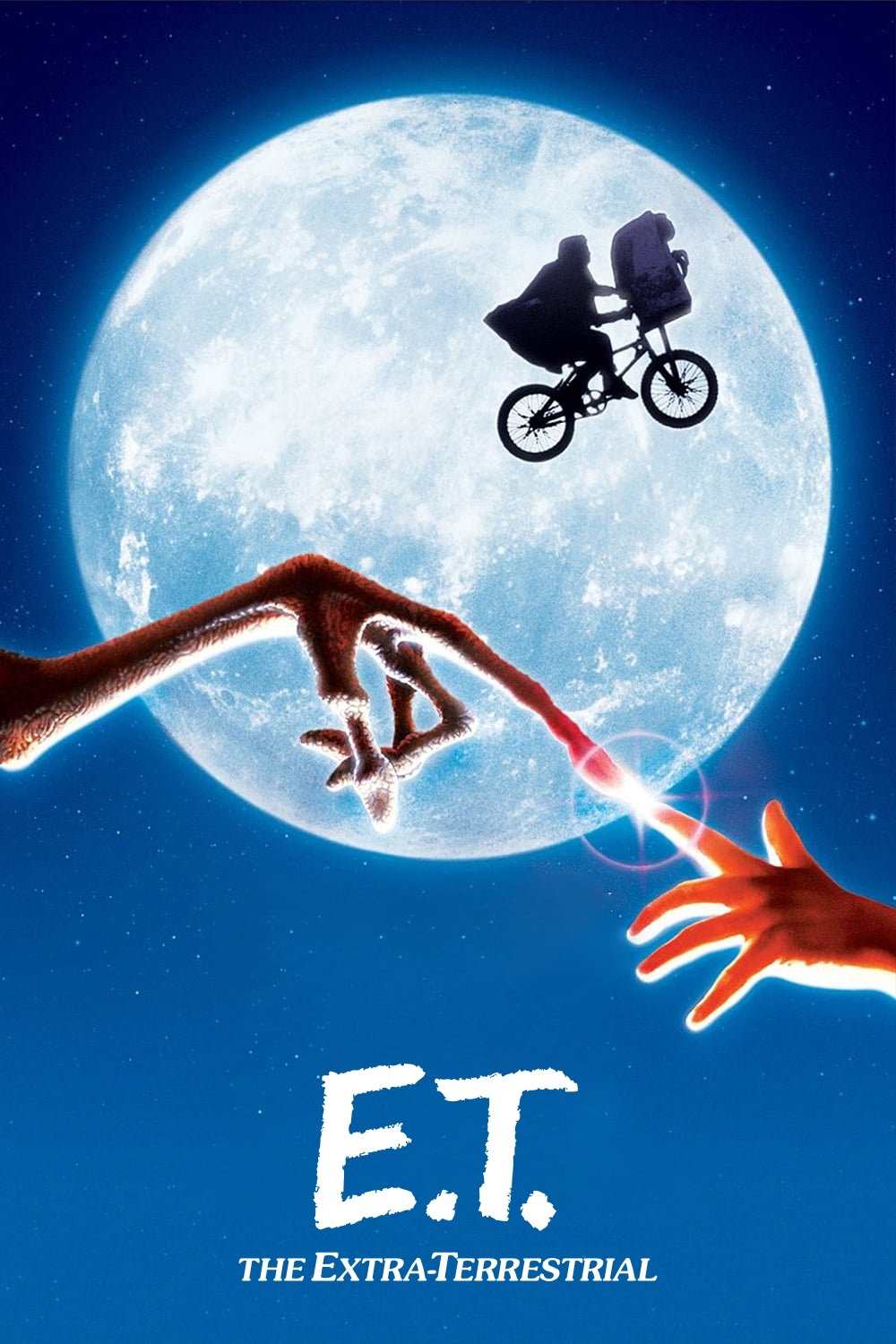
There’s something deeply subversive, I think, in Spielberg’s decision to make the wonder of E.T.’s visit manifest in the most ordinary of places. The closet filled with stuffed animals, the kitchen cluttered with snacks, the backyard lost in twilight—all are transformed by the alien’s presence. The film asks us to reconsider the boundaries between the banal and the miraculous, insisting that the extraordinary is never as far away as we might believe. The glowing fingertip, the levitating bicycles, and the iconic flying scene reflect not just a child’s fantasy, but a deeper longing to believe our world is still capable of surprise. Every time E.T. manipulates a household gadget or heals a scraped finger, I’m reminded of the ways in which the ordinary can be imbued with transcendence if only we’re open to seeing it.
Motherhood, Vulnerability, and the Unseen Threat
Watching Dee Wallace as Mary, I’m always struck by her fragility, her distracted attempts to keep her family together in the wake of divorce. She is present, yet always slightly out of step, navigating the chaos with fragile grace. The film’s adults are peripheral not simply because it is a children’s story, but because their vision is blurred by their own fears and responsibilities. When the government agents appear, clad in spacesuit-like hazmat gear and illuminated by harsh beams of light, I sense Spielberg’s deep mistrust of adult authority. The men are faceless, voiceless intruders, not unlike the boogeymen of childhood nightmares. For me, E.T. contrasts the vulnerability of Mary’s motherhood—so exposed and intimate—with the cold, anonymous threat of institutional power. The film suggests that childhood is most endangered not by monsters under the bed, but by the inability of grown-ups to truly see and protect their children’s inner worlds.
Empathy as Science Fiction: The Power to Feel Another’s Pain
There’s a moment in the film—one that always stays with me—when Elliott and E.T. share a psychic connection, feeling one another’s joy and suffering in real time. In this, Spielberg creates a science fiction device that is pure metaphor: the unfiltered, devastating empathy of childhood. Elliott’s recklessness in the classroom, his tears, his laughter, all mirrored by E.T.’s own alien experience, speak to the vulnerability of opening oneself to another being. The film makes literal the dream of perfect understanding, the fantasy that someone, somewhere, might feel our pain as their own. It’s a risky, even dangerous, sort of love—one that leaves both exposed to harm, but also capable of profound transformation. I’ve always felt that E.T. is less about extraterrestrial life than the radical intimacy possible between two lonely souls.
Longing for Home: Exile, Alienation, and the Unfillable Void
As E.T. builds his makeshift communicator and gazes up at the stars, I can’t help but see a reflection of every child who has ever wanted to escape—who has ever wondered if their real home lies elsewhere. This longing for home isn’t just E.T.’s, but Elliott’s as well; the boy’s yearning is as much internal as it is interstellar. The film returns again and again to images of exile: E.T. marooned on the planet, Elliott abandoned by his father, Mary trying to anchor a drifting household. There’s a shared ache in the knowledge that some losses cannot be repaired, only survived. What haunts me about E.T. is its recognition that the search for home—both literal and emotional—is endless and often painful, but also radiant with possibility.
The Light in the Forest: Hope Without Resolution
The closing scenes, with their unforgettable shafts of light in the mist and the silent exchange of goodbyes, never fail to undo me. For all its sentimentality, the film resists easy closure; it leaves Elliott with a wound that can never quite heal, even as it offers the promise of new beginnings. Hope in E.T. is fragile, incomplete, and hard-won—it isn’t the assurance of happy endings, but the persistent belief that connection, even if fleeting, is worth seeking. Spielberg’s final shots are saturated with the ache of parting and the shimmer of something just out of reach. The film’s most profound message, if I had to name it, is that our lives are defined by the loves we dare to lose. It’s a lesson learned in childhood, but carried with us forever.
If E.T. Stole Your Heart: Two Further Journeys
Anyone gripped by the emotional resonance and bittersweet wonder of E.T. the Extra-Terrestrial might find a similar ache—and hope—in these masterworks:
- The Spirit of the Beehive (1973)
- Close Encounters of the Third Kind (1977)
If you’re curious about how this film was originally perceived or how it compares to similar works of its era, these resources may be helpful.
🎬 Check out today's best-selling movies on Amazon!
View Deals on Amazon