
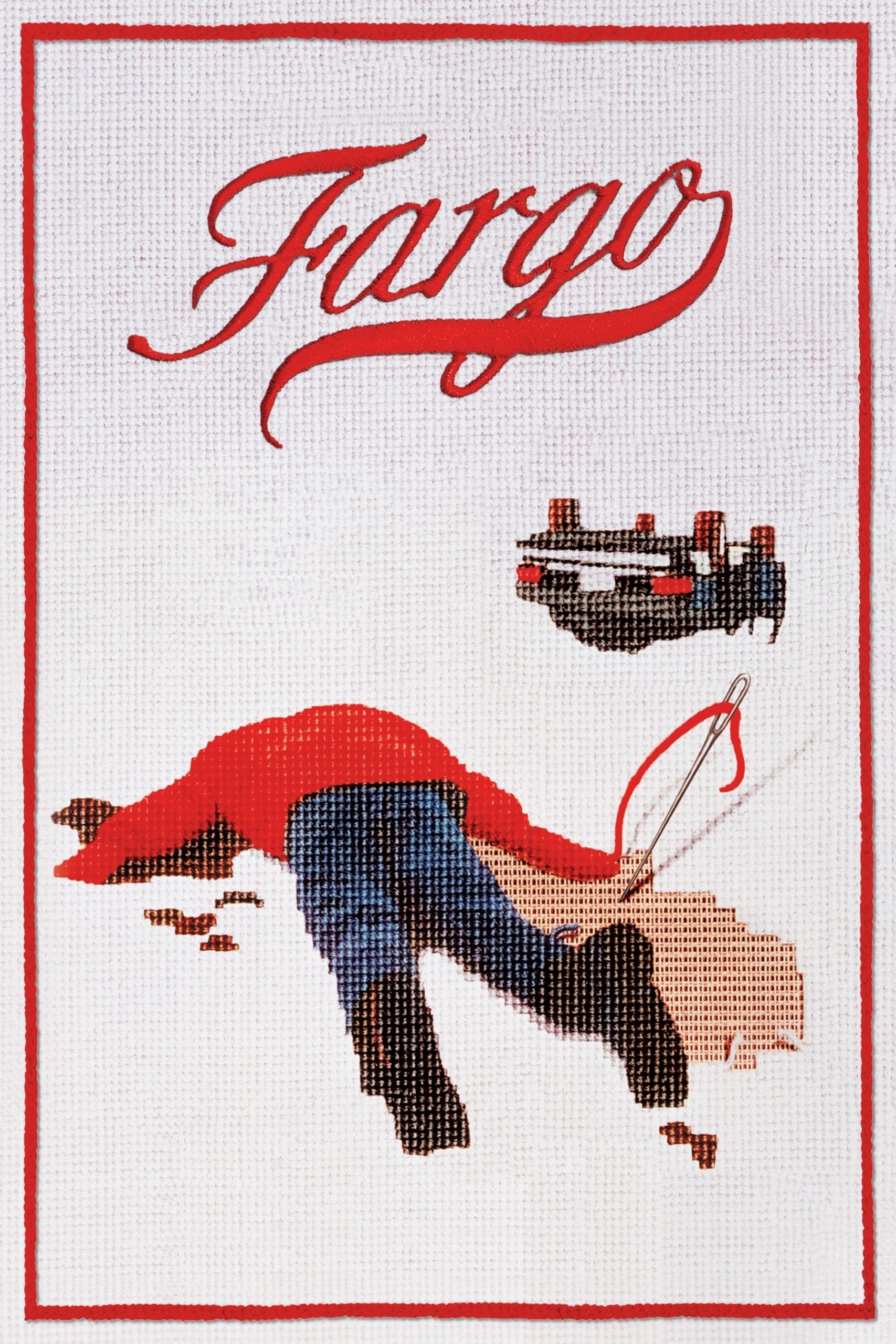
There’s a strange comfort I find in the vast, white nothingness of “Fargo.” I remember the first time I saw it: bitter wind rattled my apartment window as Marge Gunderson’s parka-clad silhouette appeared on screen, embodying a warmth utterly at odds with her frozen surroundings. That harsh, quiet landscape translated an emotional alienation I’d sometimes felt in my own life, the sense that odd events and bumbling cruelty can erupt, even in the most ordinary places. I never expected a so-called crime film—ostensibly about a botched kidnapping in rural Minnesota—to probe so deeply into the absurdities that underpin human nature. Yet, every return to “Fargo” reminds me how its ordinary surfaces conceal a universe of conflict between decency and desperation, humor and horror, order and chaos. The absurdity, I’ve found, is the point. And I can’t stop thinking about it.
What the Film Is About
At its icy core, “Fargo” is a story about the collision between human frailty and moral clarity. I’m drawn to how the Coen Brothers manipulate a seemingly simple crime plot—Jerry Lundegaard, a floundering car salesman, arranges the kidnapping of his own wife for ransom, only to trigger a debacle that spirals out of control. But it’s not the trap-filled mechanics of the crime that fascinate me most: it’s the emotional unraveling. Jerry’s desperation is so ordinary, so recognizable—it stems from a warped pursuit of dignity, an attempt to bend his failures into something resembling control.
But where “Fargo” truly distinguishes itself is through the gentle yet unyielding gaze of Marge Gunderson. She’s a pregnant police chief, deeply decent, who treats each moment—whether frying eggs or investigating hideous violence—with the same calm, almost maternal poise. The contrast she poses to Jerry’s flailing and the criminals’ savagery isn’t just moral; it’s existential. To me, Marge represents the refusal to be intoxicated by chaos. The film’s central inquiry emerges: in a world beset by moral confusion, is it still possible to affirm decency and goodness? “Fargo” is a testament to that possibility, playing out as both comforting and unsettling in equal measure.
Core Themes
If I had to distill “Fargo” to its thematic essence, I’d foreground its preoccupation with the banality of evil and the resilience of goodness. The film suggests—sometimes with black humor, sometimes with wrenching poignancy—that ordinary people are both the vessels and victims of evil. Jerry’s ability to rationalize horrific choices is both laughable and ghastly, hinting at how small grievances—economic precarity, familial tension—serve as breeding grounds for disaster. This theme felt acutely relevant in the 1990s, when anxieties about the fragility of the American Dream lingered beneath surface prosperity. To me, that ambivalence has only grown more powerful today, as unchecked ambition and everyday dishonesty still unravel lives in slow-motion catastrophe.
Yet, what keeps “Fargo” from curdling into misanthropy is its insistence on basic kindness. Marge’s persistent good faith, her refusal to view depravity as the norm, is a radical choice. At a time when pop culture often celebrated cynicism or antiheroes, her goodness stood out as a simple, profound counterpoint. Watching “Fargo” now, I feel the urge to champion what Marge represents: everyday decency, humility, and the hope that such qualities aren’t obsolete—even in dark, senseless times.
Symbolism & Motifs
Few films are as visually spare yet symbolically dense as “Fargo.” The first of its recurring motifs that leaps out at me is snow. It’s everywhere—a visual representation of blankness, a world stripped down to essence. The white landscapes double as vast, indifferent canvases on which violence and virtue both stand out in sharp relief. For me, the endless snow is more than a setting: it’s a metaphor for moral obscurity, swallowing evidence and emotion alike. Justice and guilt, lost in the drifts, suggest how meaning gets buried in the mess.
There’s also Marge’s iconic parka, which I’ve come to see as more than mere insulation. Her homey clothes, her way of moving—a kind of practical, unflashy competence—stand in stark contrast to the masked, performative masculinity of Jerry or Gaear. The parka becomes emblematic of her honesty, her capacity for comfort amid brutality. The film’s humor emerges, too, from repetition: polite greetings (“Oh ya, you betcha!”) and household rituals render the violence even more shocking, a reminder that evil emerges not from a special darkness but from the rupturing of familiar routines.
Key Scenes
When Ordinary Cracks: Jerry’s Descent at the Dealership
If there’s a single moment when Jerry’s duplicity is laid bare, it’s when he desperately tries to maintain composure during a negotiation at his dealership. On the surface, it’s nothing—a simple conversation about car sales. Yet the strain in his voice, the way his veneer of politeness gives way to panic, is excruciating. For me, this is where the banality of corruption becomes plain. Jerry’s world is one of routine dishonesty, and as the stakes rise, the boundary between a harmless fib and life-altering crime erodes before our eyes.
Marge on the Scene: Compassion Amid Carnage
One of the most indelible images in all of “Fargo” is Marge’s arrival at the snow-splattered crime scene. Her gentle tone—so unaffected by the gore before her—embodies the possibility of maintaining empathy in the face of senseless evil. She doesn’t relish violence, nor does she harden herself to it. Watching Marge kneel beside bodies while softly questioning her deputy, I’m always struck by the film’s faith in goodness. Her refusal to grow callous or cynical is what allows the film to sidestep nihilism.
The Wood Chipper: Absurdity and Horror Collide
The infamous wood chipper scene is where the tone of “Fargo” achieves its fullest, most nightmarish pitch. The blood-red spray against the white snow is as memorable a visual as anything in American cinema. But what stands out most is the way the film undercuts horror with awkward, almost comic physicality—Gaear’s brute silence, Marge’s hesitant authority, the mundane texture of violence itself. To me, this moment crystallizes the film’s argument about the coexistence of the grotesque and the mundane: horror isn’t always grandiose or operatic. Most often, it’s stumbling, almost ridiculous, and chilling precisely because it is so unremarkable in its setting.
Common Interpretations
Critics have long contended that “Fargo” is a fable about Midwestern innocence corrupted or a darkly comic jab at the foibles of “Minnesota nice.” These readings are both fair and insightful—certainly, the Coen Brothers traffic in the absurdities of regional quirks, mining humor from accents and parochial rituals. Others champion the film as a subversion of noir conventions, placing a kind-hearted woman at the center of a genre dominated by cynicism. I don’t disagree with these interpretations; in fact, I think they’re essential to understanding the film’s texture.
But for me, what pushes “Fargo” beyond pastiche or parody is its underlying belief in good—and the implicit warning that goodness must be chosen again and again, especially when doing so seems futile or foolish. Marge isn’t naïve; she’s resolute. This distinction often feels lost in some mainstream readings, which mistake the film’s deadpan tone for nihilism. Instead, I see a kind of existential hope—the idea that even in a world determined to test it, kindness matters as an act of resistance. That’s the lesson I always return to, and what I feel makes “Fargo” so enduringly powerful.
Films with Similar Themes
- Blood Simple (1984): Another Coen Brothers crime parable, this one probes the chaos unleashed by greed and betrayal, exposing how ordinary motives escalate to violence with dark comic precision.
- A Simple Plan (1998): This film delves into the unraveling of decent people faced with temptation, echoing “Fargo’s” fascination with morality strained by desperation and circumstance.
- No Country for Old Men (2007): Here, the Coens interrogate fate, evil, and justice—placing everyday decency against forces of senseless violence, much like Marge stands against chaos in “Fargo.”
- Winter’s Bone (2010): Both films confront rural hardship and ethical ambiguity, following tenacious women as they navigate community ties and lurking dangers in unforgiving landscapes.
Closing Reflections: The Cold Comforts of “Fargo”
What continues to resonate about “Fargo” is how it acknowledges the cold, sometimes comic randomness of life, yet insists that kindness is a stubborn, necessary virtue. I believe modern audiences can approach the film not just as an artifact of ’90s cinema, but as a living meditation on the wages of compromise, the unpredictability of violence, and the extraordinary presence of the ordinary. The lessons it offers about moral fortitude and the quiet strength of decency feel more urgent than ever. In the dead of winter, among swirling snows and simple folk, “Fargo” reminds me that in a world of uncertainty, kindness is its own form of rebellion.
Related Reviews
If you found value in my perspective, you might also enjoy exploring my thoughts on other cinematic landmarks such as No Country for Old Men and A Simple Plan.
To broaden this interpretation, you may also explore how critics and audiences responded over time.
🎬 Check out today's best-selling movies on Amazon!
View Deals on Amazon