
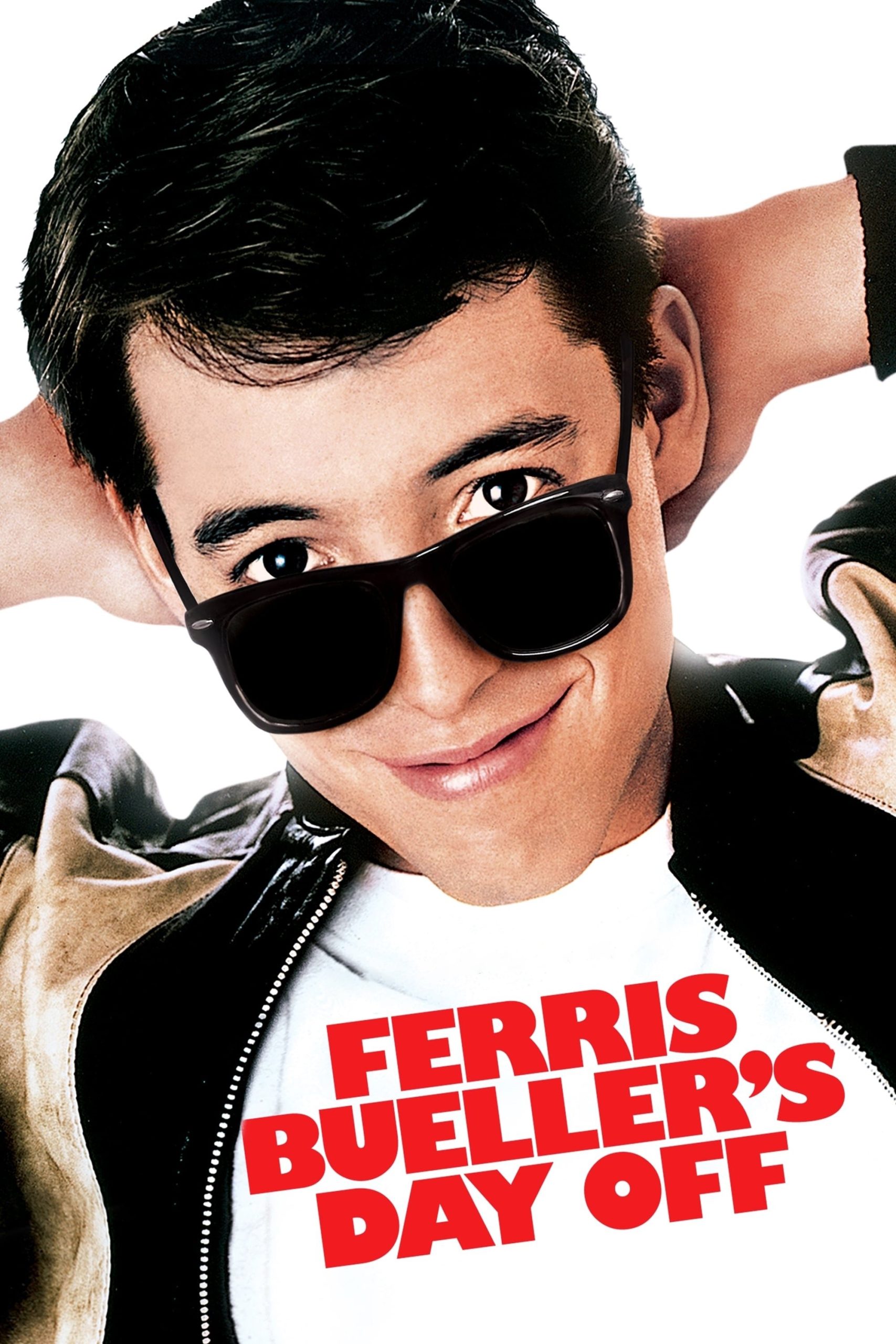
Sometimes, the sense of rebellion I felt as a teenager boiled down to a single question: what if I simply refused to play the game, just for one day? That’s what’s always drawn me back to Ferris Bueller’s Day Off. The film isn’t just nostalgic comfort—it’s a cinematic expression of a sly challenge to authority that I’ve recognized in myself. I remember sneaking out of responsibilities, not with malice or destruction, but with sheer awe for the possibility of freedom—a spirit that John Hughes captures with remarkable, almost subversive, lightness. Rewatching Ferris and company traipsing around Chicago, I don’t just see a coming-of-age comedy. I see a knowing wink, almost as if the film is rooting for anyone who’s ever wanted—just for a moment—to slip out of the world’s stern grasp and taste possibility.
What the Film Is About
For me, the heart of Ferris Bueller’s Day Off is a richly emotional balancing act between exuberance and anxiety—a daydream about liberation, fringed with the real fears adolescence brings. Ferris’s deliberate absence from school is as much about running toward life as it is about escaping from something unseen; the boundaries of childhood, the structures of authority, and the expectations of conformity. He isn’t just skipping class; he’s performing a declaration of selfhood, daring both the adult world and his peers to take notice.
Yet, at its core, this film isn’t really about Ferris himself. Watching it, I feel like I’m being asked to consider the cost of control versus the freedom to experiment—and it’s Cameron, Ferris’s best friend, who becomes the emotional weather vane. The central conflict emerges as a philosophical divide: between those willing or able to seize the day, and those who can’t quite imagine themselves worthy of it. What the film “says,” to me, is that our small rebellions—and our failures to rebel—echo in ways we may not realize until much later.
Core Themes
The film’s liveliest theme has always been, for me, the tension between authority and self-determination—the universal yearning to take back just a bit of autonomy from systems designed to keep us in line. Whether it’s Principal Rooney’s absurd quest or the sharp sting of Jeanie Bueller’s resentment, power structures manifest everywhere. Watching in 1986, those rules must have felt stifling, but even today, the message pulses with energy: it’s not just okay, but at times necessary, to assert one’s agency against unyielding institutions.
Another powerful thread is the fragility of identity as it forms under social and familial pressure. Cameron’s struggles, his debilitating anxiety, his desperate wish for someone else to take charge of his life, resonate in an age of endless expectations. That Hughes chose to channel so much of the film’s journey through Ferris’s self-assured eyes, only to give Cameron the biggest transformation, shows a keen understanding of how bravado and vulnerability are often two sides of the same adolescent coin.
What strikes me most, especially when watched now, is just how daring Ferris Bueller’s Day Off is in its insistence that “enjoying the ride”—relishing a single day of joy and mischief—can be a form of resistance in itself. The film champions presence, suggesting that purposeful play has the power to heal, connect, and reveal what matters, even as adulthood looms always at the end of the day.
Symbolism & Motifs
There’s a brisk theatricality in how Hughes layers recurring motifs throughout the film. The breaking of the fourth wall is an immediate standout—Ferris’s direct address to the camera not only makes us co-conspirators, but also becomes a symbol for the freedom to shape one’s own narrative. Every time Ferris looks into the lens and riffs on life, he’s reminding us that stories—especially the ones we tell about ourselves—can be rewritten, even if only for a day.
The 1961 Ferrari, polished to blinding perfection, is another omnipresent presence. To me, that car functions as the perfect emblem for both aspiration and repression—a vessel for escape that also carries the burden of Cameron’s relationship with his father. When fate befalls the Ferrari, the ensuing chaos becomes a crucible for self-discovery; the object that imprisoned Cameron in fear is the same one that ultimately breaks his paralysis.
Finally, motifs of time and fleeting opportunity ripple throughout, from the recurring school bells to the ticking clock of impending discovery. Every stolen minute in Chicago is a bold declaration of urgency—seize now, because now is all you have. Underlying so much slapstick and bravado is this beating heart: life is ephemeral, and if you don’t reach for it, you may never get another chance.
Key Scenes
The Parade: Ferris Takes the Stage
When Ferris leaps onto the parade float and lip-syncs “Twist and Shout”, I find it impossible not to smile. It’s exuberant, cinematic anarchy—a public act of joy that becomes communal almost against his will. This sequence is more than the sum of its spectacle; it’s the film’s thesis statement about the contagiousness of freedom and the cathartic power of unrestrained expression. The city stops and joins in, blurring the line between participant and observer. In my reading, this moment encapsulates the seductive possibility that everyone, given the right cue, yearns to break from routine and celebrate.
In the Museum: Stillness and Self-Reflection
One of the most moving passages arrives almost unannounced: the trio’s meandering through the Art Institute of Chicago. As they stand before Seurat’s pointillist masterpiece, the camera lingers on Cameron’s transfixed face. The scene is wordless, meditative—Cameron’s gaze deepens along with the zoom, as if searching for meaning in the tiny, discrete fragments of the painting, mirroring his own fractured self-image. In this quiet, I sense a brief confrontation with the impossibility of perfect understanding or control; it’s a spiritual pause in a film so often defined by momentum.
The Ferrari’s Fate: A Reckoning with Fear
The destruction of the Ferrari is, for me, the emotional crux of the film. The car’s final moments—spinning, airborne, then crashing in slow motion—are less about physical loss than the shattering of illusions. Cameron’s anguished reaction is raw, unsanitized. This scene is crucial because it marks Cameron’s transition: for the first time, he owns the moment, refusing to retreat from the consequences. I’ve always found this sequence both painful and radical: it’s not Ferris’s daring, but Cameron’s acceptance of fallout, that signals real maturity.
Common Interpretations
Many critics have viewed Ferris Bueller’s Day Off as a lighthearted, even escapist ode to youth—the ultimate wish-fulfillment fantasy, a gleaming snapshot of a more innocent decade. In much popular discourse, Ferris is sometimes cast as a reckless charmer, a sort of trickster hero who seduces the world into letting him get away with anything. Commentators love to compare him to Tom Sawyer or Holden Caulfield, as if his rebellion were simply boyish mischief and no more.
I appreciate these readings, but where I part ways is in whom the film ultimately centers. For me, Ferris himself is a catalyst—the film’s real emotional engine is Cameron, whose struggle with fear, disengagement, and father-son conflict carries a weight that Ferris’s bravado never fully closes off. I can’t help but see in Cameron a universal figure: the anxious, self-doubting friend whose liberation is the one that truly matters. While Ferris basks in invincibility, it’s Cameron’s day that’s transformed from stasis into movement—a journey from hiding to acceptance of personal responsibility.
So while I understand why the film is often celebrated as a paean to youthful cleverness, I see it, more piercingly, as an ode to those still learning how to step out of the shadows.
Films with Similar Themes
- The Breakfast Club — Like Ferris, this John Hughes film uses a single day as a crucible for identity, pushing its ensemble to confront authority, stereotypes, and their own fears.
- Dead Poets Society — Robin Williams’ unconventional teaching inspires students to “seize the day,” challenging the pressures of conformity and exploring the costs of rebellion and authenticity.
- Rushmore — Wes Anderson’s portrait of a precocious outsider channels the same spirit of mischievous resistance and the complexity of coming-of-age against suffocating norms.
- Lady Bird — This more recent film captures, through painfully honest adolescence, the simultaneous exhilaration and terror of choosing one’s own path in the face of rigid expectations.
Final Thoughts: Why Ferris Still Matters
There’s a timeless generosity to Ferris Bueller’s Day Off that reaches beyond its era—an insistence that a day of rule-breaking joy can sharpen our sense of what is vital. Modern viewers may find the stakes comically low, but beneath its gloss, the film still offers a resonant argument for choosing, however fleetingly, to live deliberately and refuse easy definitions. I urge those returning to the film in today’s world to look beyond Ferris’s jokes and triumphs; witness instead the moments where uncertainty cracks open into possibility. Understanding these themes, for me, elevates what could be a mere diversion into something altogether more moving and true.
Related Reviews
If you found value in my perspective, you might also enjoy exploring my thoughts on other cinematic landmarks such as The Breakfast Club and Dead Poets Society.
To broaden this interpretation, you may also explore how critics and audiences responded over time.
🎬 Check out today's best-selling movies on Amazon!
View Deals on Amazon