
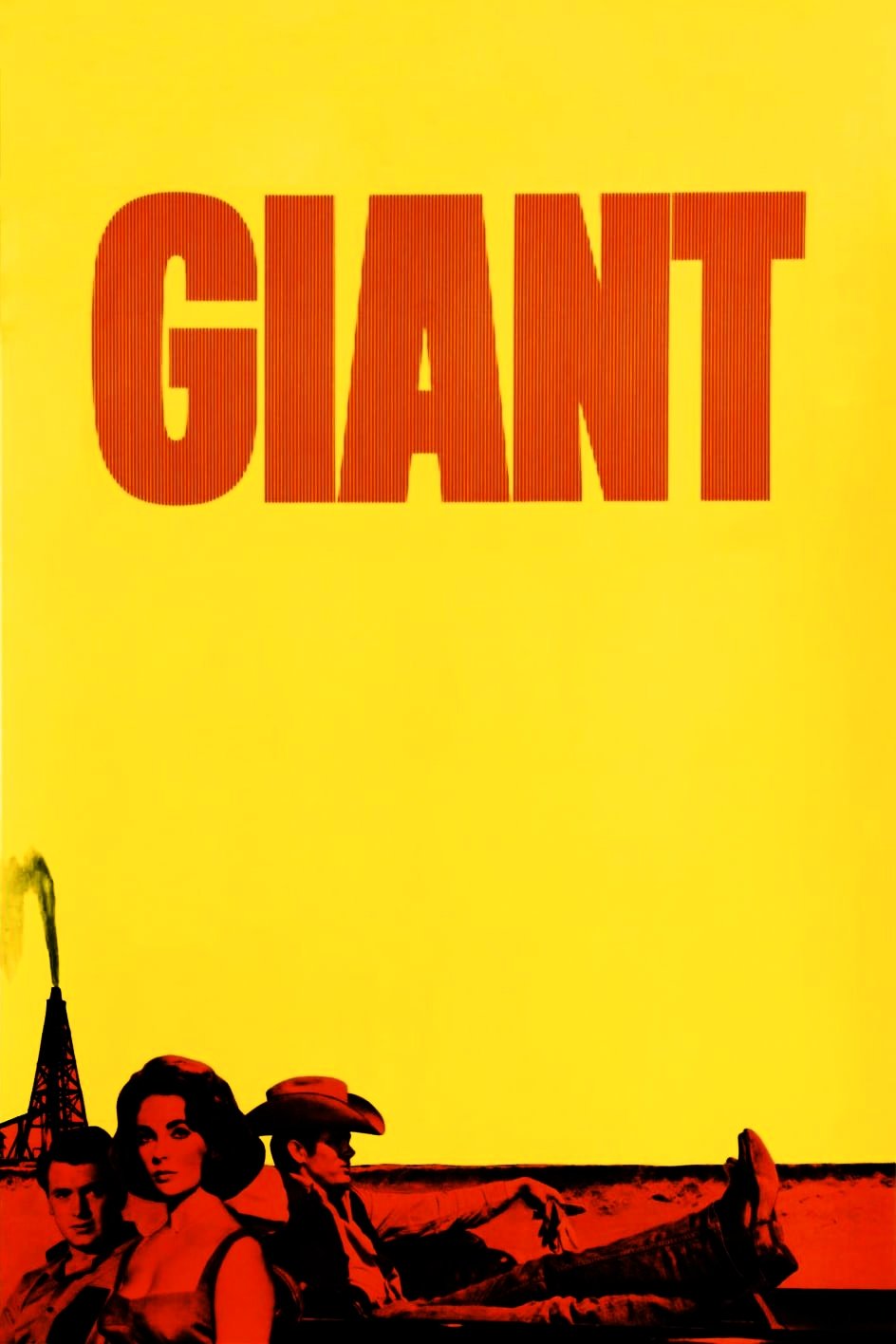
There’s something hauntingly beautiful about crossing Texas at dusk—the vast, sunburned landscape stretching out endlessly. That memory has colored my fascination with “Giant” for years. Watching it as a teenager, I was immediately pulled into its mythic sweep and specificity: the movie moves like an epic poem, somehow chronicling both one family and the restless, complicated American spirit. “Giant” doesn’t just get under my skin because of its stars or its running time, but because, like the Texas plains, its meanings seem to shift depending on where I’m standing and the light in which I view it.
What the Film Is About
At its heart, “Giant” follows the Benedict family as they grapple with seismic shifts in power, love, and identity on their sprawling cattle ranch. There’s a clear clash between tradition and change, played out in the evolving landscape of Texas. The arrival of Leslie, an outspoken Easterner, upends both social expectations and family dynamics, especially as the years pass and the Texas oil boom transforms the family’s fortunes. These relationships—between husband and wife, siblings and outsiders, white landowners and Mexican American workers—are always on the verge of eruption, echoing the way the land itself is both fertile and treacherous.
What makes the movie so absorbing to me is not just the external drama, but the emotional tectonics beneath every interaction. Bick Benedict struggles with his responsibilities and prejudices, while Leslie’s fierce moral compass challenges more than just her husband’s authority—it forces the entire family to reckon with what it means to belong. I see the film as a meditation on the price of legacy: the ways in which power, both economic and personal, is distributed and inherited, but always at a cost. Beneath the grandeur lies a persistent ache—a sense that victory in one sphere often means surrender in another.
Core Themes
Above all, “Giant” is a searching examination of American identity. When the movie first appeared in 1956, it landed in a nation grappling with issues of race, gender roles, and postwar optimism. Its treatment of systemic racism, especially against Mexican Americans, was progressive for its time and feels uncomfortably resonant today. Scenes of social exclusion and quiet cruelty—met with Leslie’s outrage and later by her son’s rebellion—remind me that the ugly undercurrents of privilege never stay hidden for long.
I’m continually struck by how the picture frames wealth as both aspiration and burden. The oil boom promises endless possibility but also brings moral rot and spiritual vacancy—embodied so memorably by Jett Rink, whose rise from dirt-poor handyman to oil tycoon rarely looks like liberation, but rather a kind of self-destruction. The erosion of tradition in the face of unchecked ambition is palpable, and it feels as relevant now—especially as the country navigates its own resource-driven economies and widening income divides—as it ever did in the Eisenhower era.
It’s impossible not to mention gender. Leslie, perhaps the most forward-thinking character, is a catalyst for change: her presence exposes every fissure in the Benedicts’ carefully constructed hierarchy. Her journey is not an easy victory march; it’s a continual negotiation with a world ready to underestimate, domesticate, or otherwise sideline her. I’m always reminded, watching her, of how the fight for inclusion is both exhausting and essential.
Symbolism & Motifs
The terrain itself is, for me, the most enduring symbol. The relentless sweep of the Texas landscape mirrors the film’s exploration of endurance and adaptability. Steers, oil derricks, and sunbaked horizons become visual shorthand for wealth and vulnerability. Early scenes show the Benedicts’ cattle empire as a seemingly unassailable fortress, but as oil rigs sprout across the plain, these icons of stability morph into harbingers of chaos and greed.
Another motif is the juxtaposition of interiors and exteriors—sun-flooded exteriors force characters into squinting confrontation with their realities, while dim, opulent interiors serve as spaces where appearances and etiquette often hide deep-seated conflict. The shift from family dinners to lavish oil parties registers as commentary on the hollowness of material success when measured against personal integrity. Even the Benedicts’ ever-lengthening dining room table is a subtle indicator to me: power and prosperity stretch, but connection becomes more difficult to maintain.
Finally, automobiles and airplanes signal modernity and social change—yet they’re also isolating and alienating. The generational rifts in the Benedict family are plainly etched in their attitudes toward technology and what it represents. The youngest Benedicts’ embrace of progress feels at once liberating and unsettling, a dynamic that mirrors my own ambivalence about what we call ‘advancement.’
Key Scenes
The Arrival at Reata: A Clash of Worlds
Early in the film, Leslie’s first encounter with the Benedict ranch is, to me, the moment when two incompatible worlds smash together. Her genuine horror at the conditions faced by Mexican workers and her refusal to be silent immediately destabilize Bick’s authority—not through rebellion, but through conscience. It sets the stage for every conflict that follows, making me see how outsiders who dare to speak uncomfortable truths are often met with both suspicion and admiration.
The Coronation of Jett Rink: Success Tainted by Solitude
Jett Rink’s ascent culminates in the infamous oil gusher scene—a breathtaking display of wealth, power, and hubris. The spectacle is unforgettable, but what lingers with me is how Stevens shoots Jett in isolation amid his riches. This moment captures the emptiness at the heart of achievement divorced from community or love. The mud spattering his face feels less like triumph than a final, damning mask.
The Diner Confrontation: Standing Against Bigotry
Near the film’s end, Bick’s defense of his Mexican American daughter-in-law’s family during a racist incident in a diner marks a turning point. It’s not a subtle scene, but that’s precisely why I find it necessary. Having once embodied the old guard, Bick’s physical and moral stand against prejudice is a wrenching act of grace. I interpret this as acknowledgment of the past’s failings—and a gesture of hope for the future.
Common Interpretations
The critical consensus is often that “Giant” is an indictment of prejudice and the corrosive nature of greed. Many reviewers position the film as a landmark for how it addresses racism—especially for a Hollywood production of its era—and as a family saga charting the decline of aristocratic values in the face of modernity. There’s a tendency, I think, to read this as a classic morality play: old money humbled, new money corrupted, progressive ideals finally winning out.
While I see value in these interpretations, I also find them incomplete. To me, the triumphs of “Giant” are as much about the questions it raises as the answers it provides. Progress comes at a price, sometimes eroding the very relationships and ways of life it sets out to improve. I don’t see the ending as clean catharsis—it’s tinged with loss and uncertainty, which feels richer and, ironically, more hopeful because of its ambiguity. The film doesn’t flatter any era, group, or ideology; it exposes the compromises underlying society’s evolution, a perspective that resonates more deeply for me than any simplistic reading of virtue rewarded and vice punished.
Films with Similar Themes
- There Will Be Blood — Like “Giant,” this film grapples with the corrupting influence of oil, obsession, and the American myth of self-invention.
- East of Eden — James Dean again stars in a story featuring generational conflict, social alienation, and the search for approval within a divided family.
- Hud — Another Texas-set saga, this one explores the erosion of family values and the clash between tradition and ruthless modernity.
- Gone with the Wind — Though set in a different region, this film captures the turbulence of societal change and the tensions between personal ambition and inherited legacy.
Conclusion
Contemporary audiences might approach “Giant” as a costume drama or a sweeping romance, but its real charge is how precisely it captures the knots of history, privilege, and conscience that still define American life. Understanding the film’s core themes—especially the costs of progress and the deep wounds left by prejudice—invites a richer, more critical viewing experience. For me, every return visit to “Giant” is a fresh reckoning with the limits of good intentions, the moral weight of inheritance, and the hope that real change lies in the honest recognition of both flaws and strengths.
Related Reviews
If you found value in my perspective, you might also enjoy exploring my thoughts on other cinematic landmarks such as The Grapes of Wrath and All the King’s Men.
To broaden this interpretation, you may also explore how critics and audiences responded over time.
🎬 Check out today's best-selling movies on Amazon!
View Deals on Amazon