
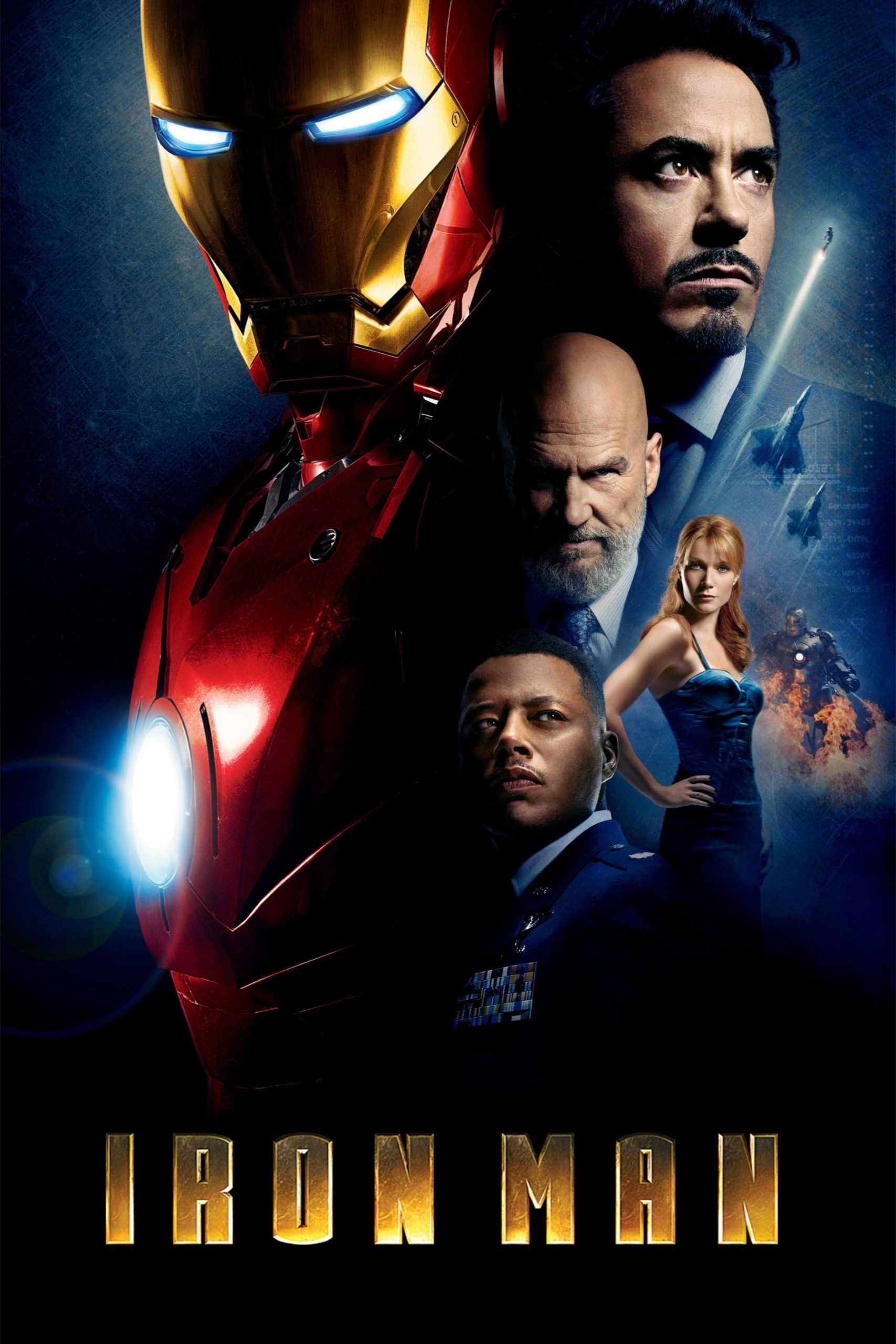
The Spark That Ignited My Fascination
The first time I watched Iron Man, I didn’t walk away marveling at the armor or the spectacle—although both are easy to admire. Instead, what gripped me was the film’s sly, almost irreverent stance toward its own genre. Iron Man isn’t a superhero origin story in the traditional sense; it’s a deconstruction of power, guilt, and the seductive danger of unchecked genius. What I saw wasn’t just action—it was a man wrestling with the very tools that made him dangerous.
The Lure and Poison of Genius
I’ve always believed that Tony Stark’s journey is less about saving the world and more about saving himself from himself. The film’s real adversary isn’t a terrorist cell or a rival industrialist—it’s Stark’s own hubris, and the ease with which intelligence can be weaponized against the human soul. The early sequences, with Stark glibly showcasing his weapons in Afghanistan, drip with irony: here is a man so insulated by privilege and intellect that he fails to see the moral rot at the heart of his own empire. The film doesn’t let him off easy. The cave—grim, claustrophobic, and stripped of luxury—hits like a rebirth, and it’s no accident that Stark’s first suit is crude, battered, and forged from scraps. It’s a physical manifestation of accountability, a literal armor against his former self. I see in this sequence a deeply symbolic confrontation: genius repurposed as atonement, invention as confession.
Shadows in the Reflection of a Mask
What resonates most with me is the film’s uncomfortable reminder that masks don’t always hide; sometimes they reveal. Watching Stark assemble the Mark III suit, I was struck by how the process is shot with clinical intimacy, almost surgical. His armor is less a disguise than a mirror—one that reflects both his wounds and his will. The suit’s gleam hides the fact that its creator is haunted. There’s no scene more telling than the first flight: Stark’s gleeful freedom is punctuated by a childlike exhilaration, but it’s undercut by the knowledge that flight, for him, is also flight from guilt. Every technological flourish is a double-edged sword, and I can’t help but see the suit as both protection and penance—its very existence a confession that Stark’s brilliance once fueled destruction.
The Unspoken Cost of Salvation
Iron Man is often lauded for its quips and bravado, but the film’s emotional violence lingers far longer. I remember the scene where Stark tests the suit and crashes to the ground, battered. It’s played for laughs, but beneath the humor lies a deeper truth: progress is born from failure, and every act of creation carries its own casualties. The movie never lets us forget that Stark’s transformation isn’t clean or heroic—it’s traumatic and messy, a wound that never fully closes. I see Pepper Potts not as a love interest, but as a witness—someone who sees the cracks beneath the sarcasm, and who is herself forced to grapple with complicity. Even Obadiah Stane is less a villain than a symptom, a product of the same system that rewarded Stark’s blindness. The film’s undercurrent is unmistakable: redemption is paid for with discomfort, and justice is never antiseptic.
The Myth of the Self-Made Savior
One of Iron Man’s sharpest ironies is the myth it simultaneously upholds and dismantles: the self-made hero. Watching Stark reject his company’s legacy, I felt a pang—not because I believed he could really sever those ties, but because the act itself is both necessary and impossible. The film takes aim at America’s obsession with individualism, asking whether one person can truly change their own context without being shaped by it. When Stark holds his press conference and announces, “I am Iron Man,” the bravado is both sincere and hollow. He isn’t just revealing his identity; he’s exposing the contradiction at the heart of heroism. There’s no clean break from the past, no simple solution to inherited guilt. Stark’s transformation is public, vulnerable, and precarious—a reminder that the act of unmasking is as dangerous as the enemies he fights.
Technological Salvation or Damnation?
If there’s a question the film never stops asking, it’s this: is technology a tool of liberation, or a trap of our own making? I found myself caught in the tension between Stark’s awe-inspiring inventions and the darkness they enable. The arc reactor, glowing in his chest, is the literal heart of the film—clean energy, weapon, and lifeline all at once. But the more Stark refines his technology, the higher the stakes become. The final confrontation with Stane is more than a battle; it’s an allegory for the dangers of unmoored progress. The film lingers on the consequences of innovation, warning that brilliance untempered by conscience inevitably breeds monsters—sometimes in the mirror, sometimes across the boardroom table. For every technological breakthrough, there’s an ethical reckoning waiting in the wings. Iron Man’s greatest feat isn’t taking flight; it’s learning to shoulder the burden of creation.
Wit as a Shield, Vulnerability as Weapon
The dialogue in Iron Man bristles with wit, but I’ve always felt that every joke is a dodge—a way for Stark to deflect pain, evade intimacy, and mask regret. What the film does so well is weaponize humor as both defense and honesty. Every quip is a wound dressed up as bravado, every laugh another layer of armor. Rarely does a mainstream blockbuster allow its hero to be so nakedly insecure, so aware of his own limitations. The banter with Pepper, the playful antagonism with Stane, even the sardonic rapport with Yinsen in the cave—all these moments build toward a portrait of a man who is most honest when least guarded. I realize that the film’s emotional core isn’t found in grand gestures, but in small admissions: a half-finished apology, a fleeting moment of fear, the silent terror behind the mask.
Irony at the Heart of Iron Man
The film’s greatest asset is its relentless sense of irony. Tony Stark, arms dealer turned peacekeeper, is always just one decision away from becoming the menace he seeks to stop. I see in this irony a warning about the seductive ease with which power corrupts, and the difficulty of true change. The arc reactor, which keeps him alive, is also a ticking clock, a reminder that there’s no escaping consequence. Iron Man’s narrative doesn’t resolve so much as destabilize: every answer births a new question, every solution a new threat. That’s what keeps the film alive years after release—the sense that redemption is a moving target, and that the machinery we build to defend ourselves can so easily become our prisons.
Two Personal Favorites for the Introspective Hero
If Iron Man’s blend of wit, guilt, and moral ambiguity speaks to you as deeply as it does to me, I’d recommend spending time with Batman Begins and Dr. Strangelove or: How I Learned to Stop Worrying and Love the Bomb. Both films offer their own takes on the dangers—and temptations—of unchecked genius and the complicated relationship between technology, conscience, and redemption.
If you’re curious about how this film was originally perceived or how it compares to similar works of its era, these resources may be helpful.
🎬 Check out today's best-selling movies on Amazon!
View Deals on Amazon