
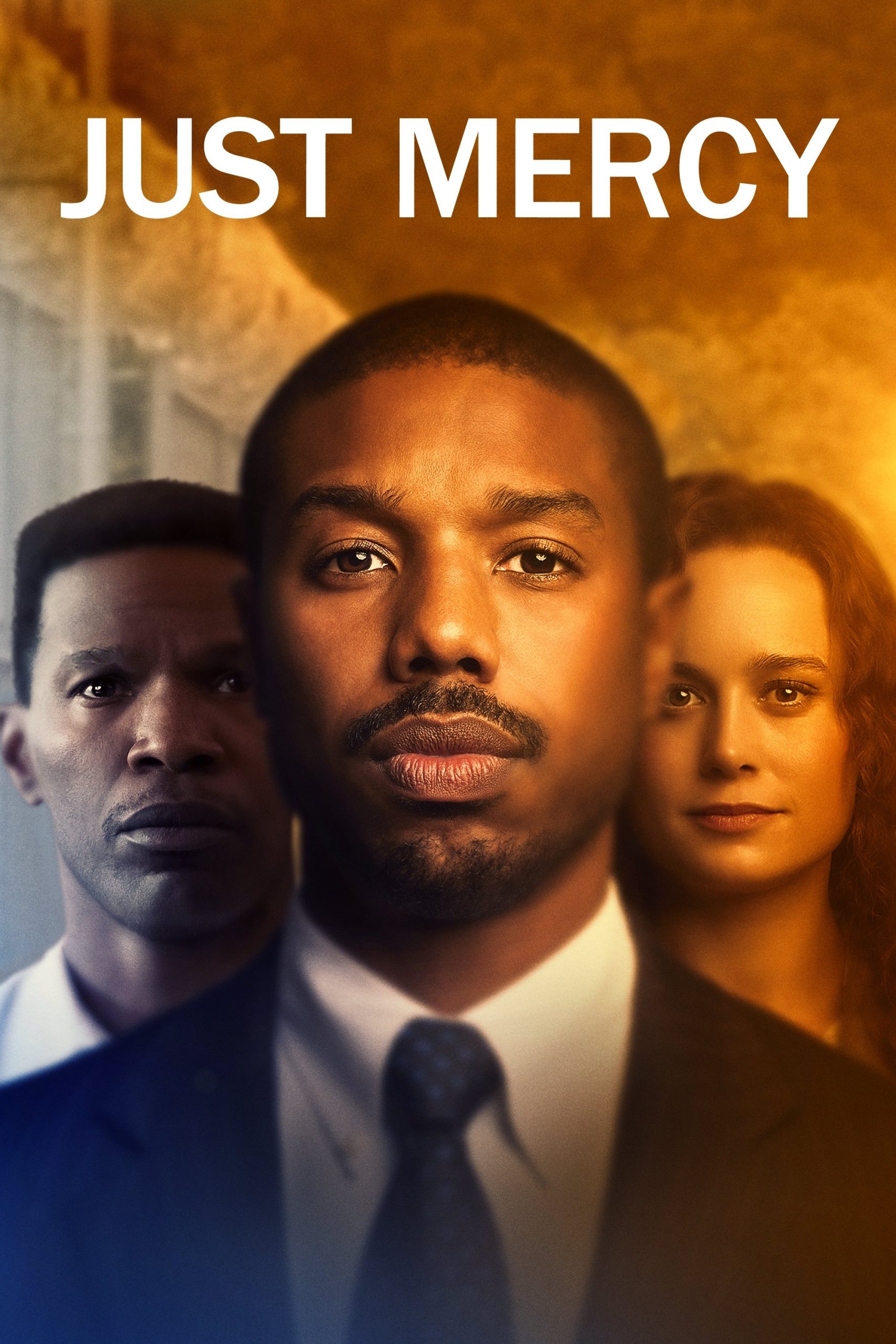
Some films leave me feeling emotionally stunned long after the credits roll—not because they surprise or dazzle, but because they force me to confront uncomfortable truths I’d rather bury. Just Mercy struck me in precisely this way. I remember watching it for the first time alone, not because I needed solitude, but because I somehow sensed I needed space to process what I was about to experience. The story unfolded less like a straightforward legal drama and more as an invitation to examine my own complicity and comfort within a broken system. I’ve returned to the film since, each time peeling back new layers—each time, the emotional weight settles a little deeper.
What the Film Is About
At its heart, Just Mercy explores the human toll exacted by a justice system that often operates with little mercy at all. The film is propelled by the journey of Bryan Stevenson, a Harvard-educated attorney who devotes his early career to defending those most vulnerable—death row inmates in Alabama, many of whom never received even the barest gestures of a fair trial. What captivates me is how the narrative makes the legal battle intensely personal, not just for Stevenson but also for Walter McMillian—a man condemned to die for a crime he did not commit.
What truly resonates for me is that the film refuses to paint its central conflict as a faceless, systemic wrong. Instead, I’m asked to witness the emotional anguish of families, the hollowing isolation of the condemned, and the quiet, relentless hope of those who refuse to accept injustice as unchangeable. The movie asks, “What do we owe each other?” not as an abstract question, but in the flesh-and-blood context of lives ruined and dignity denied. I walked away acutely aware that the urge to look away is itself a form of assent.
Core Themes
For me, the film’s dominant theme is the intersection of justice and mercy—two concepts often framed in opposition, but which, as Stevenson repeatedly insists, must coexist if true justice is to be achieved. The narrative questions who is deemed worthy of compassion, and by extension, who is allowed to define what mercy means in the first place. In the America of 2019—still wrestling with the fallout of mass incarceration, racial bias, and the dehumanization of the “other”—this question felt particularly urgent. The film arrived as debates about criminal justice reform and systemic racism surged anew; its very existence became part of a broader cultural reckoning.
Racial injustice is another through line, approached not just as a social ill, but as an ever-present force shaping the lives of the film’s characters. Every interaction between Stevenson (played with quiet gravity by Michael B. Jordan) and institutional gatekeepers is charged with the knowledge that history is not “past,” but living, breathing, and terrifyingly present. Still, even as it rages against dehumanization, the film refuses to become cynical; its final act is less about vengeance and more about restoring humanity to those the system endeavored to erase.
Symbolism & Motifs
The film is meticulously constructed to embed recurring motifs of confinement and liberation. Steel bars, chain-link fences, and institutional walls are more than mere set dressing—they form a visual prison that looms over the entire narrative. What strikes me is the way every legal breakthrough is matched by a visual “opening”—light streaming through cell windows, doors creaking open, hands unclasped. The film draws a sharp distinction between physical incarceration and the emotional captivity experienced by victims of injustice, family members, and even Stevenson himself as he struggles under the weight of expectation and despair.
I’m also repeatedly drawn to the motif of the courtroom, rendered here as both arena and battleground. Each procedural detail—bibles held aloft, oaths repeated—feels loaded with additional meaning. In one striking image, Stevenson stands almost dwarfed by the architecture surrounding him, yet the camera lingers on his eyes, refusing to let his presence be diminished. This juxtaposition reminds me that courage, in this context, is not about grand gestures; rather, it’s evidenced in the steady, stubborn refusal to yield one’s dignity.
Key Scenes
Shattering Silence: Stevenson’s First Visit to Death Row
No scene in Just Mercy haunts me quite like Stevenson’s tentative, nerve-wracked first entry to Holman Prison. The oppressive stillness is broken only by the glances cast between inmates and their advocate. The bars and clangs feel specifically designed to unnerve, but what’s most powerful is the unspoken exchange of hope between Stevenson and the inmates who size him up. In this sequence, the audience is given permission to feel afraid, traumatized, even ashamed. The film visually communicates that the emotional divide between “them” and “us” is a mere illusion; it can be crossed, but only with humility and resolve.
The Courtroom Confession: Ralph Myers’ Testimony
The lynchpin scene, for me, arrives in the form of Ralph Myers’ pivotal confession—his decision to recant the testimony that had condemned McMillian. There’s nothing showy or manipulative in the filmmaking here; the tension is raw, the camera lingering on Myers’ torment. His act of courage doesn’t erase what’s been done, but it cracks open space for redemption and accountability. I find this moment crucial because it demonstrates how, even within flawed systems, individuals retain agency—they can choose dignity over fear, truth over convenience.
Freedom Realized: Walter’s Release
Unsurprisingly, McMillian’s exoneration is celebrated in most write-ups, but I find its impact goes beyond the predictable catharsis. The moment is staged not as an outburst of triumph, but a deeply bittersweet reckoning—freedom comes, but only after years stolen by prejudice and neglect. The scene’s grace note for me lies in the quiet embrace between Walter and his family, a reminder that every “victory” in such stories is inherently incomplete. It’s a sobering meditation on what justice means when it arrives years too late, and on how healing must coexist with heartbreak.
Common Interpretations
Critics often describe Just Mercy as a standard—if emotionally resonant—courtroom drama, lauded mainly for the “important” social issues it raises. Many reviews focus on the film’s methodical dismantling of racist structures and its inspirational depiction of legal activism. I’m struck, however, by how often this framing feels insufficient. Yes, the film is “about” structural racism, but it’s also intimately concerned with personal accountability and the high cost of empathy. Where consensus readings praise the plot’s efficiency, I remain more invested in the emotional architecture: the spatial disorientation of the prison, the visceral fatigue on Stevenson’s face, the way silence so often speaks louder than words.
A common critique is that the film lacks stylistic daring, opting for conventional storytelling to “reach” a wider audience. For me, this is a misreading. The film’s restraint is an act of moral clarity—by withholding melodrama, it allows the real horror and hope of its story to emerge with devastating force. Rather than dilute its narrative, the straightforwardness gives events a documentary-like authenticity that lingers long after other, flashier dramas have faded.
Films with Similar Themes
- The Hurricane – Like Just Mercy, this film examines wrongful conviction and the impact of institutional bias, centering on Rubin Carter’s harrowing struggle for justice.
- Dead Man Walking – Here, the focus on capital punishment and redemption parallels Stevenson’s effort to see the humanity in the condemned and question the morality of state-sanctioned death.
- To Kill a Mockingbird – Sharing both setting and motif, this classic’s portrayal of racial injustice in the deep South connects directly with the historical roots that Just Mercy excavates.
- Clemency – A contemporaneous release, this film offers another angle on the death penalty—this time from the perspective of the prison warden, but ultimately asks the same questions about moral responsibility and mercy.
Conclusion
Viewing Just Mercy today, I believe the film remains a bracing call to examine where comfort, complicity, and moral courage intersect in our own lives. Its impact comes not from rhetorical flourish, but from confronting us with faces, voices, and families forced to grapple with injustice every day. To appreciate the film’s full power is to let its unanswered questions unsettle us, even as we’re tempted to rationalize them away. By approaching the movie on its own terms, modern audiences can find not just a historical lesson, but a deeply personal challenge: to see, to listen, and ultimately, to act.
Related Reviews
If you found value in my perspective, you might also enjoy exploring my thoughts on other cinematic landmarks such as Dead Man Walking and The Hurricane.
To broaden this interpretation, you may also explore how critics and audiences responded over time.
🎬 Check out today's best-selling movies on Amazon!
View Deals on Amazon