
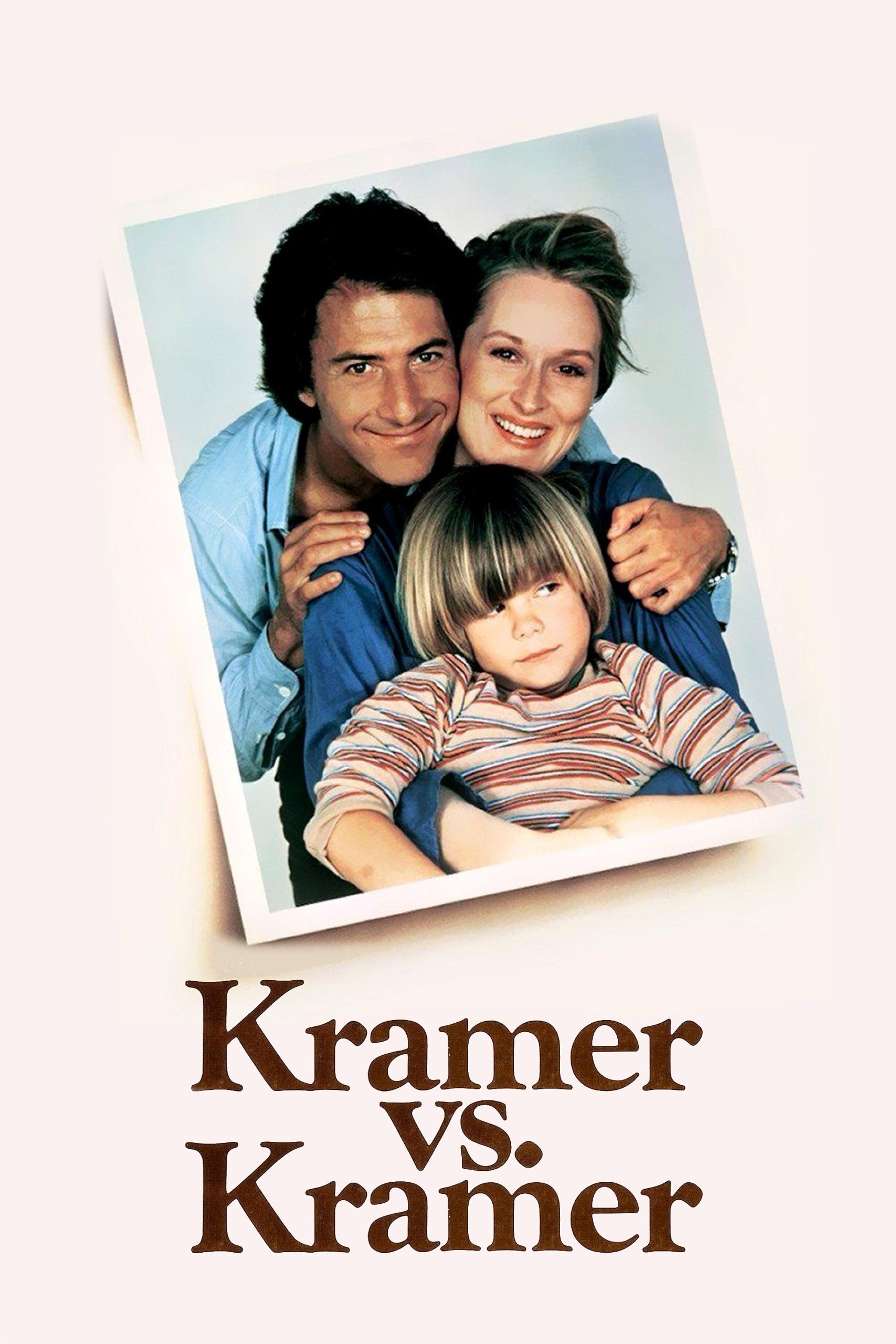
Staring Across the Breakfast Table
Watching Kramer vs. Kramer for the first time, I felt as though the film had quietly cracked open a part of me that I wasn’t prepared to examine. There’s a particular intimacy in the way the camera lingers on a father’s weary eyes, the slightly trembling hands pouring milk over cereal, or a child’s awkward silence at the kitchen table. For me, the film’s greatest strength is its insistence on the small, painfully honest moments that accumulate into a larger reckoning about love, responsibility, and the way our imperfections shape the people we become. This isn’t a film about divorce as much as it’s about the excruciatingly human process of learning to truly see—oneself, a child, a partner—as complicated, vulnerable beings.
The Quiet Violence of Everyday Change
Early scenes strike with an almost documentary-like simplicity, but I could sense an undercurrent that bordered on violence—not the kind that erupts with fists or shouts, but the slow violence of upended routines and wounded pride. When Joanna leaves Ted, it’s less about the act itself and more about the aftershocks that ripple through the fabric of daily living. The film never lets us escape the discomfort of change; instead, it forces us to witness the unglamorous aftermath of a clean break. Ted’s confusion isn’t treated as a cinematic plot device—it’s a lived-in panic, one that comes when someone is suddenly forced to reconstruct their identity as both an individual and a parent. I found myself wincing at how easy it is to become complacent in relationships, and how life has a way of shattering that illusion without warning or apology.
Masculinity Redefined, One Misstep at a Time
What hit me hardest is how Kramer vs. Kramer interrogates traditional masculinity, not with grand speeches but through the slow, humiliating process of learning. Ted’s journey is less about heroics than about humiliation: burning toast, losing his job, navigating the bureaucracy of child care. I saw in his struggle a cultural anxiety that still lingers today—the terror of not knowing how to care, and the shame of asking for help. In Ted’s initial selfishness, I recognized the societal scripts men are handed about career, ambition, and stoic detachment. By forcing Ted into the role of nurturer, the film dares to suggest that masculinity is not innate but constructed—and if it can be constructed, it can be reimagined. That’s a quietly radical notion, especially for a film made at the close of the 1970s, when America’s ideas of family and gender were in upheaval. Each blunder in Ted’s parenting is a step towards a more flexible, empathetic understanding of what it means to be a father.
Motherhood, Gone Missing—and Haunting Every Frame
I can’t talk about this film without feeling the ghostly presence of Joanna. Even when she disappears from the screen, she haunts every interaction between Ted and Billy. The absence of the mother isn’t a vacuum—it’s an active, electric field in which both men must define themselves. I was struck by how the film resists the urge to demonize Joanna for leaving. The script, and Streep’s performance, ask us to consider what courage it takes to admit that something is broken inside you—and to walk away, knowing everyone will judge you for it. Joanna isn’t simply a plot mechanism or a villain; she’s the embodiment of longing and regret, of someone who wants to matter as a whole person, not just a mother. Watching Ted and Billy tentatively build their own routines, I found myself aching for the invisible labor and emotional toll of the women who so often disappear from these stories.
Legal Battles and the Performance of Love
The final act’s courtroom showdown—often the film’s most quoted section—still leaves me unsettled. What fascinates me isn’t the verdict, but the way legal language tries, and fails, to quantify love. Both Ted and Joanna are forced to perform parenthood in front of strangers, to flatten their lived experience into neat narratives that can be weighed and measured. The law’s attempt to parse love into custody agreements exposes how hollow our definitions of “best interest” can be. I found myself wondering if it’s ever possible to do justice to the messy, unfinished business of love within the confines of a legal system built for order and resolution. The film’s most heartbreaking moments are those in which Ted and Joanna, in their own desperation, try to prove they are “better” parents—when love becomes a weapon, rather than a refuge.
The Economy of Sacrifice
What lingers with me most is the film’s meditation on sacrifice—not in the melodramatic sense, but in the everyday bargains that shape and redefine our relationships. Ted’s decision to let Billy go at the end isn’t portrayed as saintly or tragic, but as an act of exhausted compassion. In that quiet, almost offhanded farewell, the film articulates the painful truth that sometimes loving someone means stepping aside, surrendering the need to win or be vindicated. This isn’t the stuff of Hollywood catharsis. Instead, Kramer vs. Kramer finds enormous dignity in the willingness to do what hurts because it’s right, even when recognition or understanding is unlikely. I saw in Ted’s final gesture a profound statement about maturity—not as achievement or conquest, but as the ability to put someone else’s well-being above one’s own wounded pride.
Small Gestures, Immense Weight
For all its narrative heft, I’m obsessed with how the film distills meaning through the tiniest gestures: the way Billy hesitates before saying goodnight, the silence after a slammed door, the awkward choreography of two people preparing breakfast side by side. These moments, mundane on their surface, become charged with the longing, uncertainty, and hope that define our deepest relationships. The genius of Kramer vs. Kramer is its faith in the ordinary—that within the repetitive rituals of family life, the grandest dramas are quietly unfolding. I found myself replaying those small scenes, realizing how much they communicate about forgiveness, resilience, and the ways we slowly build trust after shattering it.
Aftershocks for a New Generation
Decades later, the questions the film raises about parenthood, gender, and the limits of empathy still feel urgent. Its real message isn’t about who wins or loses, but about how people, in the wake of failure and disappointment, can find the courage to try again. I’m left pondering the ways we measure love—not by perfection, but by persistence, the willingness to keep showing up even when you’re afraid or uncertain. When I think of what Kramer vs. Kramer is “really trying to say,” I land on the simple, devastating idea that family is not a given, but a choice made—and remade—every day.
Films I Return To When This One Ends
When friends ask me what to watch after Kramer vs. Kramer, I always think of two films that echo its raw honesty and thematic complexity: Ordinary People and Shoot the Moon. Both unravel the fracturing and reassembling of family in ways that are haunting, unsparing, and unexpectedly hopeful.
If you’re curious about how this film was originally perceived or how it compares to similar works of its era, these resources may be helpful.
🎬 Check out today's best-selling movies on Amazon!
View Deals on Amazon