
The Yearning Undercurrent in Every Chord
The first time I watched “La La Land,” I felt like I was being both serenaded and haunted. There’s a longing in every color, every piano flourish, every stumble and step of Sebastian and Mia. For me, the film lives in the ache between what could be and what is, between the intoxicating seduction of dreams and the hard, unromantic glare of reality. Damien Chazelle fills the frame with nostalgia, but beneath the dazzling homage to classic Hollywood musicals, there’s a tremor of bittersweet honesty—an almost subversive reflection on what we surrender in our pursuit of purpose.
Chasing Stardust: The Illumination and Shadow of Ambition
There’s a contradiction at the heart of “La La Land” that I find irresistible. On the surface, it’s an unabashed love letter to old-school ambition—to the idea that if you just want it badly enough, the universe might conspire to bend in your favor. But as I followed Mia and Sebastian, I couldn’t help but notice how Chazelle quietly undercuts this narrative. The film’s real subject isn’t just the dream, it’s the cost of chasing the dream—the way ambition can divide lovers, fracture partnerships, and force impossible choices.
In the famous planetarium scene, as the two characters float among the stars, I feel the euphoria of possibility, but it’s the grounded moments afterward, in dingy apartments and jazz clubs, that linger with me. La La Land insists on showing us the gap between fantasy and reality—not to diminish the dream, but to interrogate whether attaining it is worth the heartbreak it sometimes demands.
Color, Light, and the Language of Desire
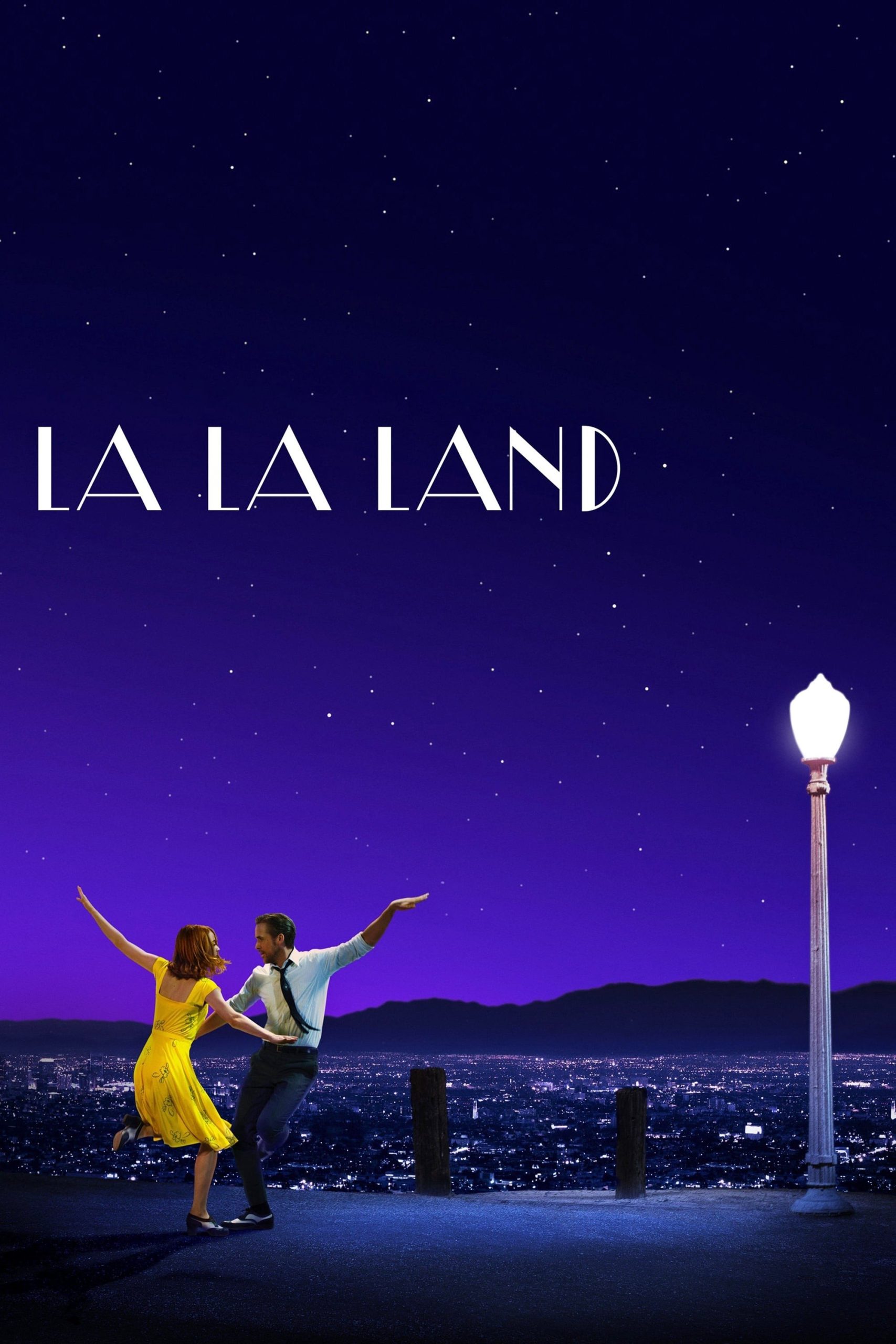
I’ve rarely seen color used with such emotional purpose. Every hue in “La La Land” is telegraphed directly from the characters’ souls. When Mia strides through the street in her brilliant yellow dress, I read her optimism in every thread; when Sebastian sits at his piano under violet twilight, longing pulses off the screen. Chazelle isn’t just riffing on the MGM palette for nostalgia’s sake—he’s using color as a barometer for hope and disillusionment, charting the waxing and waning of his characters’ desires.
Even the Los Angeles backdrop—so often dismissed as artificial or soulless—becomes a prism through which ambition is refracted. The city’s neon-lit nights and sun-washed afternoons do more than set a scene; they externalize the characters’ internal weather, a shifting kaleidoscope of aspiration, disappointment, and fleeting triumph. By weaving visual storytelling so tightly with emotional truth, “La La Land” exposes the tender machinery of dreaming itself.
Music as Hope, Music as Farewell
As someone who fell in love with jazz long before this film, I was prepared for “La La Land” to flatter my tastes, but Chazelle doesn’t let musical nostalgia rest easy. Sebastian’s crusade to “save jazz,” his purist idealism, is both moving and a little naive. What strikes me is how often the film uses music to complicate rather than resolve emotion. The songs are joyful, yes, but they’re also deeply sad—each melody is tinged with the knowledge that what makes life beautiful is often what makes it tragic.
“City of Stars” is, to my ear, a love song to possibility, but it’s also a lament for what’s lost chasing after that possibility. The final musical sequence, that wordless montage of what might have been, lands like a punch every single time I see it. Here, music becomes a time machine, granting both characters and viewers a glimpse of a parallel life—a reminder that every dream fulfilled is also a dream forsaken.
That Haunting Epilogue: The Road Never Taken
I remember sitting in stunned silence as the credits rolled, realizing that “La La Land” had led me into a trap of my own expectations. I wanted, desperately, for Mia and Sebastian to end up together, because that’s how the story is supposed to go. But the movie refuses to indulge this wish. This isn’t just contrarian storytelling; it’s an argument about how adulthood reshapes what we value, how we learn—sometimes painfully—that love and ambition don’t always coexist.
The fantasy sequence isn’t just wish fulfillment. It’s a kind of mourning, a cinematic eulogy for all the lives we almost lived. I feel implicated in that vision—reminded of every fork in my own road, every time I chose a dream over a person, or vice versa. Chazelle’s ending lingers because it’s a celebration of what was gained without denying the ache of what must inevitably be left behind.
Love as Both Catalyst and Casualty
As much as “La La Land” dazzles with choreography and jazz riffs, what resonates most with me is how it portrays love—not as a solution, but as a kind of weather system. Mia and Sebastian spark something vital in each other; they believe each other into being. Their romance is less about eternal union and more about mutual ignition: they push each other toward the very best versions of themselves, even as this growth ultimately separates them.
This is a rare honesty in film. So often, love stories collapse under the fantasy of total fulfillment, but Chazelle resists that urge. Instead, I see a love that’s sacrificial, a love that asks us to celebrate what it created, even if it couldn’t last. “La La Land” insists that some relationships, however brief or incomplete, are successes because of the art, identity, or courage they leave in their wake.
Hollywood Dreams and the Price of Reinvention
It’s impossible for me to separate “La La Land” from its setting—the mythic, discontinuous sprawl of Los Angeles, a city built on reinvention and erasure. Chazelle’s Los Angeles isn’t simply a backdrop, but a living metaphor for the precariousness of artistic ambition. This is a city where dreams rarely arrive as expected, where every sunrise can reveal either the bright possibility of new success or the ruins of yesterday’s failed audition.
For Mia and Sebastian, the city is both adversary and accomplice. I find it telling that the most romantic moments happen in iconic, impossibly cinematic locations—the Griffith Observatory, the winding Mulholland Drive—while the most intimate moments are tucked away in kitchens and backstage corridors. It’s in these contrasts that the film asks hard questions: Is the dream worth the struggle? What happens when the applause fades? “La La Land” suggests that the answer is always personal, and always costly.
Why I Return to the Dream
I keep returning to “La La Land,” not because it offers comfort, but because it refuses to lie to me. Each rewatch is a complicated pleasure—like revisiting an old diary and seeing both your wildest hopes and your deepest compromises laid bare. What I take from Chazelle’s vision is not an endorsement of heartbreak for its own sake, but a gentle acknowledgment that loss is the tax we pay for meaning.
This film lingers because it’s honest about the contradictions of creative life: the hunger, the loneliness, the moments of dazzling connection and inevitable parting. For me, “La La Land” is about accepting life’s partial victories and unfinished symphonies, holding tight to the knowledge that every note we play, every path we choose, is irreducibly our own.
For Those Chasing Dreams, Then and Now
If you find yourself haunted by “La La Land,” consider spending an evening with “The Umbrellas of Cherbourg” and “Singin’ in the Rain.” Both films navigate the intersection of love, ambition, and the painful beauty of impermanence, each in their own distinct, unforgettable style.
If you’re curious about how this film was originally perceived or how it compares to similar works of its era, these resources may be helpful.
🎬 Check out today's best-selling movies on Amazon!
View Deals on Amazon